

‘Hashem has founded the earth by wisdom; by understanding He has established the heavens.’
– Mishlei (Proverbs) 3:19
This week’s Torah portion reveals that finding the right perspective about our surroundings and using Creation in the right way is what draws us closer to Hashem and the fulfillment of our purpose.
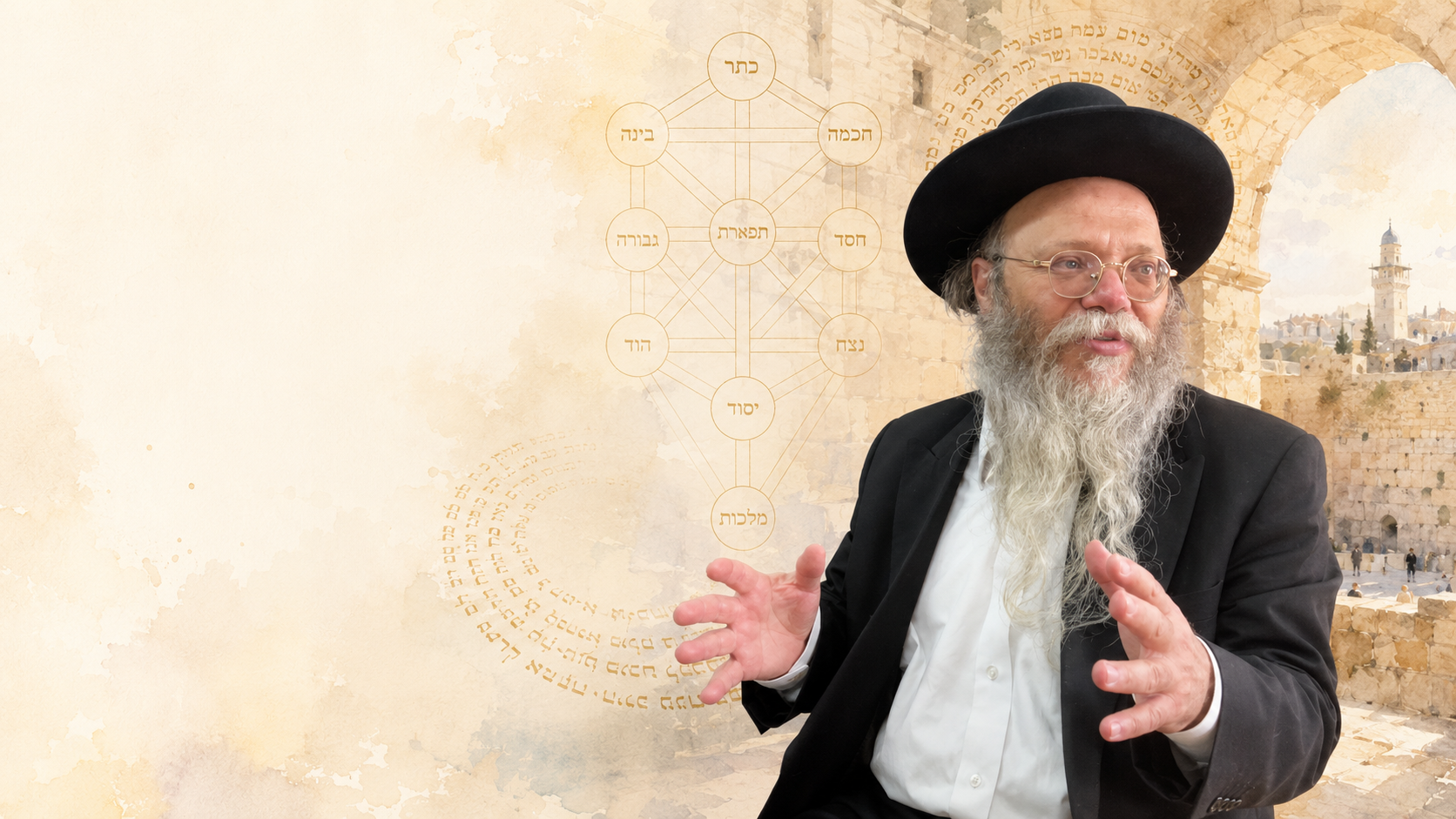
The Zohar on Parashas Toldos describes how the structure of the Torah is parallel to the structure of the human body, the world, and basically the whole of creation. The Zohar specifies that the Torah is built up with interconnected layers–in other words, a physical and spiritual body. The creation was not a random coincidence; rather, it was made with wisdom and purpose, as David HaMelech (King David) pointed out in Tehillim (Psalms) 104:24.
There are many people with an academic background who do teshuva (lit. turn a.k.a. repent/in this context, become religious) because of the perfection they find in their studies of HaShem’s Creation. The perfection inspires them to come closer to Hashem. This point is also made by the Rambam, who writes that the way to increase our love of Hashem is by deeply observing Hashem’s wisdom in the world. This is accomplished by contemplating not only the Torah but also the Creation. By looking into and perceiving the wonders of the world, we gain a deeper appreciation of Hashem, which ultimately brings us to a greater understanding of the Torah.
The Zohar on page 135a states the following:
תָּא חֲזֵי, כְּתִיב בִּשְׁלמֹה (מלכים א ה׳:י״ב) וַיְדַבֵּר שְׁלשֶׁת אֲלָפִים מָשָׁל וַיְהִי שִׁירוֹ חֲמִשָּׁה וָאָלֶף. וְהָא אוּקְמוּהָ. דְּחֲמִשָּׁה וְאֶלֶף טְעָמִים הֲווּ בְּכָל מָשָׁל וּמָשָׁל דְּהֲוָה אָמַר. וּמַה שְּׁלמֹה דְּאִיהוּ בָּשָׂר וָדָם כָּךְ הֲווּ בְּמִלּוֹי, מִלִּין דְּאוֹרַיְיתָא דְּקָאֲמַר קוּדְשָׁא בְּרִיךְ הוּא, עַל אַחַת כַּמָּה וְכַמָּה, דְּבְּכָל מִלָּה וּמִלָּה אִית בָּהּ כַּמָּה מְשָׁלִים, כַּמָּה שִׁירִין, כַּמָּה תּוּשְׁבְּחָן, כַּמָּה רָזִין עִלָּאִין, כַּמָּה חָכְמָאן וְעַל דָּא כְּתִיב מִי יְמַלֵּל גְּבוּרוֹת יְיָ.
‘Come and behold, it is written of Shlomoh [Solomon] that he ‘spoke 3,000 proverbs, and his poems were 1,005’ (1 Melachim / Kings 5:12). This is because there were 1,005 interpretations of each proverb he told. If this is true of the words of Shlomoh, who was flesh and blood, how many proverbs, chants, praises, mysteries, and wise thoughts are contained in the words of the Torah, as spoken by the Holy One, blessed be He? Therefore, it is written, ‘Who can utter the mighty acts of Hashem.”
Shlomoh Hamelech (King Solomon) had a wisdom that is beyond our grasp. His wisdom was so vast that his writings and proverbs have a multitude of meanings and interpretations. If his wisdom, which was granted by Hashem, can speak to us on so many levels, the wisdom in the Torah and its interpretations are boundless.
The basic interpretation of the stories found in the Torah, such as Parashas Toldot with Yaakov (Jacob) and Eisav (Esau) or Rachel and Leah, are quite easy to grasp. They are taught in kindergartens! And yet, bezras HaShem, we can and should move beyond the basics and become ever more knowledgeable of the astounding depths of the Torah. Our understanding can become deeper every time we read it!
Taking a deeper look
Further in the Zohar, it explains that Lavan is coming (compared) to Lot:
וְתָאנָא אָמַר רִבִּי שִׁמְעוֹן, הוּא רַמַּאי וּמֵעוֹלָם רַמַּאי, וְשָׁכֵן יִצֶּר הָרָע דְּאִיהוּ רַמַּאי. הֲדָא הוּא דִכְתִיב בַּת בְּתוּאֵל הָאֲרַמִּי גַּרְמָא רַמָּאָה. מִפַּדַּן אֲרָם, מִצֶּמֶד רַמָּאִין, כְּדִתְנַן פַּדְּנָא דְתוֹרָא שֶׁהוּא צֶּמֶד. אֲחוֹת לָבָן, אֲחוֹת יֵצֶּר הָרָע הָאֲרַמִּי, כְּדִתְנַן, בַּתְּחִלָּה שֶׁהָיָה מְנוּוָל בְּחַטָאוֹת בָּזְה הָעוֹלָם נִקְרָא לוֹט. לֶעָתִיד לָבֹא שֶׁלֹּא יְהֵא מְנוּוָל כִּדְבְקַדְמִיתָא, כְּמַאן דְּסָחֵי וּמַטְבִּיל מְסָאֲבוּתֵיהּ, קָרָאן לֵיהּ לָבָן. עַל כָּל פָּנִים אֵין יִצֶּר הָרָע בָּטֵל מִן הָעוֹלָם.
‘We learned that Rabbi Shimon said, ‘It is deceitful, and from a deceitful world, namely, from Paddan-Aram. Also, deceitful is the Evil Inclination. This is the meaning of the verse, ‘the daughter of Besueil HaArami [Bethuel the Arammian],’ who is the deceitful bone of the spine. The words, ‘of Paddan-Aram,’ which means that he came from a deceitful (Heb. ramai) world, represent two deceivers, as we have learned that Paddana means a ‘couple’. The two deceivers are “the sister of Laban,” the sister of the deceitful Evil Inclination. At first, when it was corrupted by sins in this world, it was called ‘Lot’. In the future, when it will no longer be as corrupted, as someone who has washed and was cleansed of his impurities, and it will be called Lavan [Laban] (lit. ‘white’). Nevertheless, the Evil Inclination is not eliminated from the world.’
When we read this text, the most obvious comparison between Lot and Lavan is that both had two daughters. It seems unimaginable that the Zohar is capable of comparing the daughters of Lot with Rachel and Leah who were the matriarchs of the Jewish nation! So, the Zohar explains that the word “Lot” is related to the concept of curse and, in fact, Lot means curse in Aramaic. The Zohar states that at the beginning Lot was cursed and then he became Lavan (white), meaning that he was cleansed.
We see the same evil inclination found in Lot in his daughters. They had a very strong awakening from the Yetzer Hara (evil inclination). We can appreciate the process of cleansing in this episode. Part of this cleansing process according to Kabbalah is reincarnation. Lot and his daughters are reincarnated in Lavan, Rachel, and Leah. It is inferred that they reincarnated in a more “sweetened” environment. The Zohar explains that the word “Leah” means tired, as if she became tired of sinning. And the word “Rachel” is like a ship that lacks the strength to do evil. Ultimately, from this lineage comes Mashiach (the Messiah).
Basically, this is a process of refining something that was evil. The end result of that refining process is to arrive at the fulfillment of purpose. The same thing will happen in the future. The evil inclination has (had) a purpose. In the Gemara, a story about the sages suggests that the Yetzer Hara has the purpose of eradicating evil in the world. The Yetzer Hara had been incarcerated, but the main purpose of the creation, the reproduction of humankind and all of the species, ceased to continue. So, the sages understood that the world cannot exist without the existence and influence of the Yetzer Hara.
In the future, the Yetzer Hara will get whitened, as hinted in our parasha by the word “lavan”.
The point of this article is to show how it is possible to get a deep understanding from the “simple” stories of the Torah. In this case, if one goes over the story of Lavan, one will understand that Lavan was a wicked person who cheated Yaakov Avinu (our father Jacob). But Lavan is a hint of how the Yetzer Hara gets “whitened” and that even a negative circumstance could turn into a great blessing.
May HaShem help all of us to be balanced in our lives in using the powers and strength that HaShem gave us, even the Yetzer Hara, to serve Him and to do only good things, with the help of HaShem; and whenever it is that a person finds that he is doing something wrong, that HaShem will help him to work on himself, to perfect himself, and to come closer to the point of whitening the Yetzer Hara and using the Yetzer Hara only for its purpose, bezras HaShem. Bracha v’hatlacha; many, many blessings.
Shabbat Shalom uMevorach.
Rabbi Yaakov Avraham Shepherd is the head of Yeshivas HaMekubalim Nefesh HaChaim on Mount Zion, Jerusalem, and Head Kabbalist at King David Kabbalah, having learned Kabbalah with Yeshivas Beit Eil in Jerusalem. He has also been teaching at Diaspora Yeshiva for over 15 years, where he has taught Chumash, Navi, Gemara, Shulchan Aruch and more, in English and Hebrew. More…