

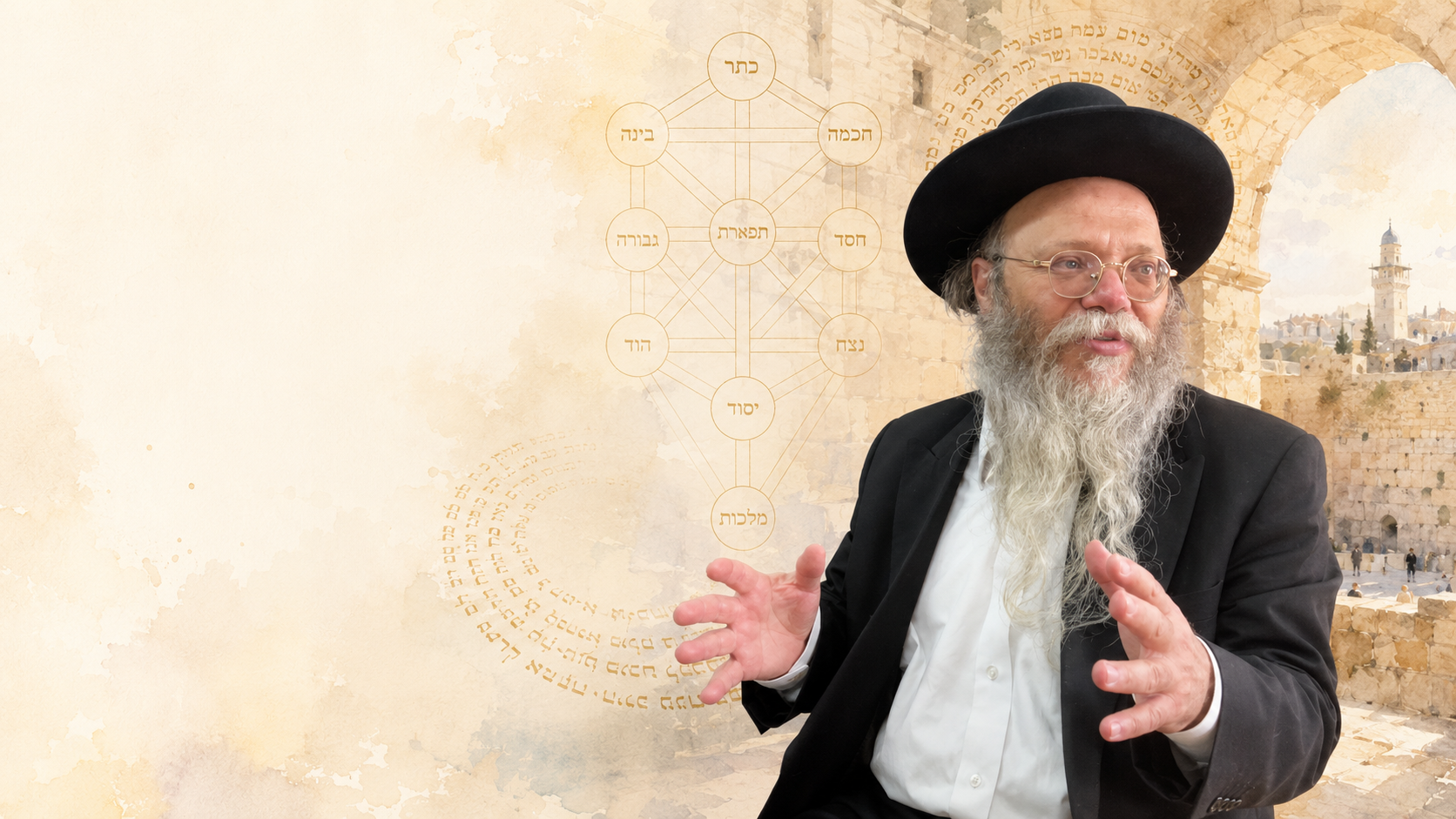
Overcoming the Yetzer Hara, Embracing Unexpected Mitzvot, and Remembering Amalek
Life is full of battles and blessings that often go unnoticed.
Parashat Ki Tetzei presents laws about war, a mother bird, and an ancient enemy. Through the lens of Ohr HaChaim, these are not merely historical or legal matters, but kabbalistic lessons on spiritual battles and kindness.
They teach us:
- How to face our inner struggles.
- How to respond to unexpected opportunities for compassion.
- How to resist the coldness of doubt.
Connecting the commandments to the human soul
Instead of treating these commandments in isolation, Ohr HaChaim connects them to the soul:
- “When you go out to war against your enemies” → a guide for confronting the yetzer hara.
- The law of sending away the mother bird → teaches us to preserve the sources of spiritual potential.
- The command to remember Amalek → reminds us to combat doubt and randomness.
Together, they offer a map for living with purpose and mercy.
Overcoming the Yetzer Hara: the personal battlefield
The Torah uses the singular — “you shall go out” — to emphasize that the battle against the yetzer hara is deeply personal.
Each person faces desires, distractions, and moral challenges.
Ohr HaChaim explains:
- The promise “Hashem your God delivers him into your hand” guarantees divine help.
- But that help comes only after we begin the struggle.
👉 We must choose to fight; then Hashem secures the victory.
More than suppressing negativity, the Torah speaks of “taking captives.” Ohr HaChaim interprets this as transforming the energies of the yetzer hara into forces for good:
- Passion once fueling anger → zeal for mitzvot.
- Creativity once wasted → redirected toward Torah study.
Even the word “enemy” teaches that all struggles stem from within us.
By engaging courageously, we turn the enemy into an ally and sanctify our passions.
Embracing unexpected mitzvot: the bird’s nest
The law of the bird’s nest begins:
“If you happen upon it along the way”
This highlights that some mitzvot arise unexpectedly.
You may be walking and find a nest; your choice in that moment reveals your character.
Ohr HaChaim teaches:
- The mother bird symbolizes the source of spiritual energy.
- The eggs and chicks represent the future.
- Taking the mother extinguishes growth; sending her away protects the root.
👉 This small act earns a great reward because it shows compassion even when no one is watching.
The mitzvah also demonstrates balance:
- You may take the eggs, but only with care.
- Judaism does not demand total renunciation, but sensitive taking.
The habit of mercy in small choices shapes how we act in greater situations.
Kabbalistic lesson: our souls are shaped by repeated acts of gentleness.
Remembering Amalek: fighting doubt and coldness
The command to remember Amalek and erase his memory seems contradictory, but Ohr HaChaim resolves it by distinguishing between heart and action.
- Amalek represents spiritual coldness and skepticism.
- They attacked Israel “on the way,” when the nation was vulnerable and forming its faith.
👉 Remembering Amalek = staying aware of the voice that says life is random and holiness irrelevant.
👉 Erasing Amalek = removing the influences that spread cynicism.
This dual approach teaches that combating doubt requires:
- Awareness → remembering the pain of senseless attacks.
- Action → cleansing our lives of habits or media that numb our faith.
The phrase “under the heavens” hints that this battle has cosmic significance:
every choice of faith over indifference participates in erasing Amalek’s legacy.
Applying the kabbalistic lessons today
Although these mitzvot originated in ancient times, their messages remain relevant:
- Battle with the yetzer hara → resisting gossip, choosing honesty, overcoming laziness.
- Unexpected mitzvot → small acts of kindness (letting someone pass, speaking gently to a stranger).
- Remembering Amalek → being alert to cynical influences, sarcasm, or inner doubts that cool our faith.
👉 Each daily choice can train the heart in mercy and strengthen our connection with Hashem.
Conclusion
Parashat Ki Tetzei, through the eyes of Ohr HaChaim, teaches that life’s battles and blessings are intertwined:
- The war against the yetzer hara → calls us to fight with courage and trust.
- The mitzvah of the bird’s nest → invites us to notice and honor unexpected opportunities for compassion.
- The command to remember Amalek → warns us against the coldness of doubt.
These are not isolated laws but kabbalistic lessons on spiritual battles and kindness.
By facing our inner conflicts, acting with gentleness, and rejecting cynicism, we transform daily moments into steps toward Hashem.