

King David Kabbalah
Go to the old websiteEspañolDonate
The first light breaking over dark primordial waters
King David KabbalahRamban-Yad'a · Weekly Torahבס״ד
Friday, 9 October 2026The Torah portion of Bereishit

Bereishit5787

The first verse

Cover: illustration, generated image
Ramban-Yad'a · Bereishit 5787

In this issue

The first verse

Do not be surprised that we only wrote about the first verse. This project will probably take several years. Here you will find the verse, its plain meaning according to Rashi, a summary of the Ramban and of the Meirat Einayim of Rabbi Yitzchak of Acco, and my addition.

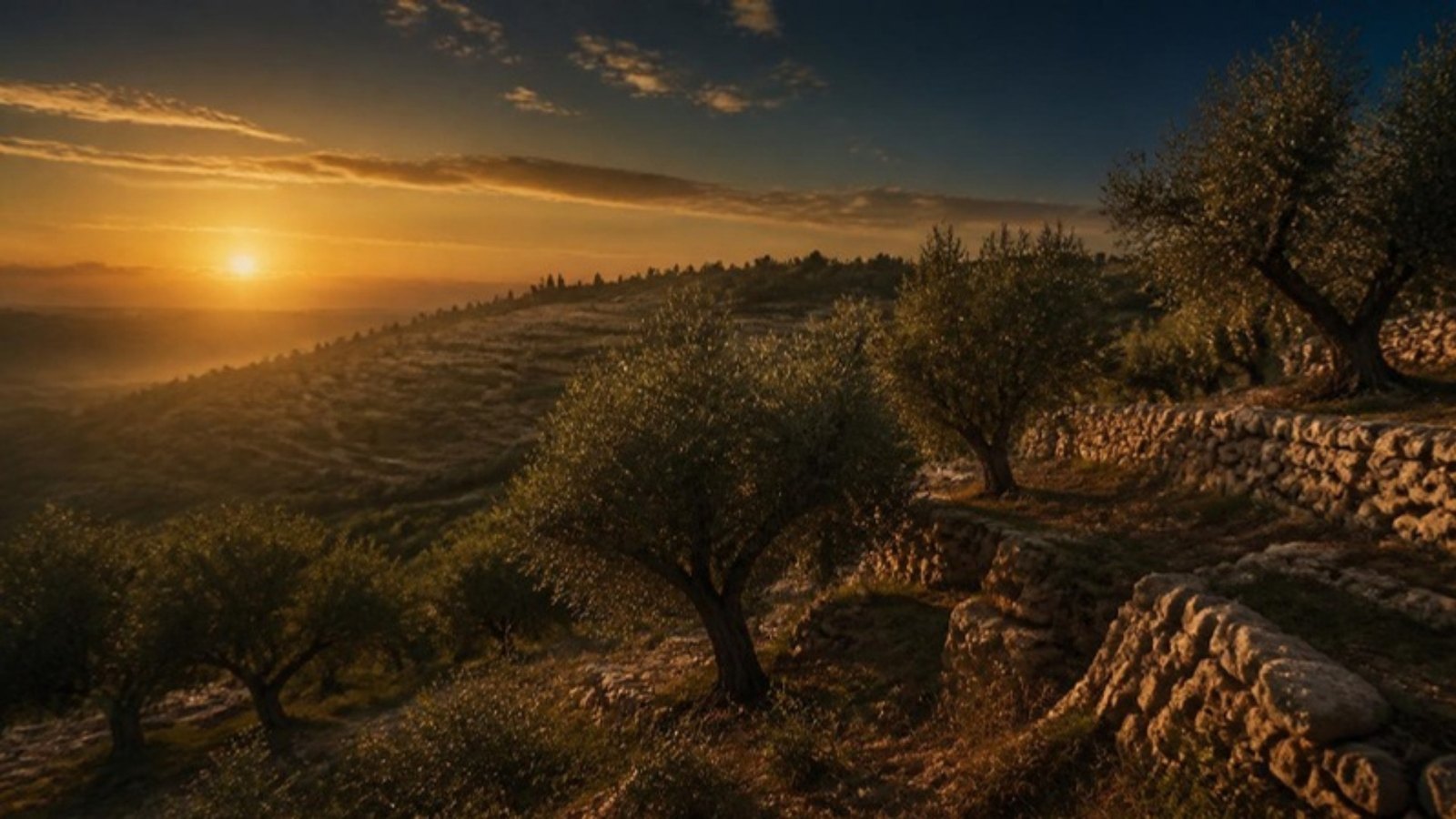
Dawn over the terraced hills of the Land of Israel, with old olive trees
01Part One · Bereishit 1:1Whose Land Is It
A single point of golden light radiating into an endless field of stars
02Part Two · Bereishit 1:1The Wisdom of Shlomo and the Infinite Torah
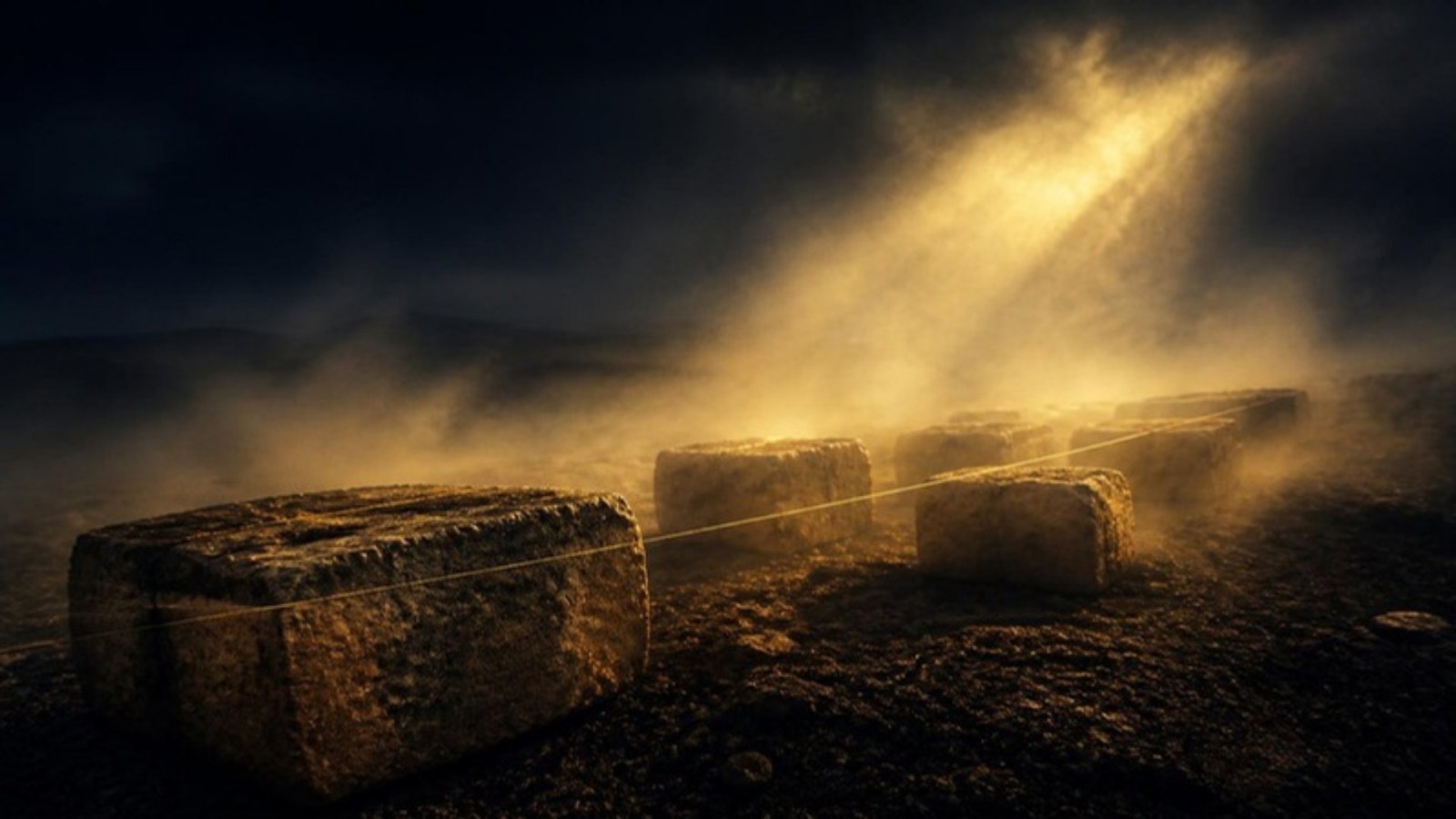
Hewn building stones and a stretched measuring line in mist, under a beam of light
03Part Three · Bereishit 1:1Every Word Has Depth: Atzilut, Tohu and Bohu
Dawn over the terraced hills of the Land of Israel, with old olive trees
Part One

Whose Land Is It

Bereishit 1:1
Illustration, generated image
The verse · Bereishit 1:1
בְּרֵאשִׁית בָּרָא אֱלֹהִים אֵת הַשָּׁמַיִם וְאֵת הָאָרֶץ׃

In the beginning Elokim created the heaven and the earth.

The Ramban asks why the Torah opens with Creation

The Ramban brings Rashi's words in the name of Rabbi Yitzchak: the Torah did not need to begin until the first commandment given to Israel. It begins with Creation so that if the nations say "you are robbers, you conquered the lands of the seven nations," Israel can answer that the whole earth belongs to the Holy One, blessed be He, and He gave it to whomever He saw fit. The Ramban asks on this:

כִּי צֹרֶךְ גָּדוֹל הוּא לְהַתְחִיל הַתּוֹרָה בִּ"בְרֵאשִׁית בָּרָא אֱלֹהִים", כִּי הוּא שֹׁרֶשׁ הָאֱמוּנָה

It was indeed very necessary to begin the Torah with "In the beginning Elokim created," for this is the root of faith.

A deep secret, and a lesson about the land

The Ramban answers that the work of Creation is a deep secret that cannot be understood from the verses, and is known properly only through the tradition going back to Moshe, from the mouth of the Almighty. That is why Rabbi Yitzchak said the Torah did not need to open with it: the story of each day, of Adam and Chava and of Gan Eden cannot be fully understood from the verses anyway, the flood and the dispersion are even less needed, and the people of the Torah could manage with the general belief stated in the Ten Commandments, "for in six days Hashem made the heaven and the earth." Rabbi Yitzchak gave a reason why the Torah begins this way all the same: it was written to teach that a nation that keeps sinning loses its place and another nation comes to inherit its land. The land was given to the servants of Hashem so that they would know they inherit it through serving Him, and if they sin, the land will vomit them out as it vomited out the nation before them. The Ramban supports this explanation from Bereishit Rabbah, where Rabbi Yehoshua of Sichnin, in the name of Rabbi Levi, opens with the verse:

כֹּחַ מַעֲשָׂיו הִגִּיד לְעַמּוֹ

He hath declared to His people the power of His works.
Rabbi Shepherd

The same argument, then and now

It is very interesting. In the time of the Rishonim, Rashi and the Ramban who wrote this commentary, and even more so in the time of the Sages, it seems that this was speaking about the time Am Yisrael came to Eretz Yisrael for the first time, to fight against the Canaanites who were occupying the land. But how relevant it is for us in our modern days, with all the nations that are trying to argue about the merit of the Jewish people over Eretz Yisrael.

Only the first layer

And that is only the first layer to look at when we read this commentary. It goes much, much deeper, because everything in the Torah can be explained in several ways. In every generation, every person can find how each part of the Torah is relevant for him, exactly in the place and at the moment that he is learning it. All of this is true on the personal level, on the national level and on the world level.

Returning home to our mother

We need to know that according to the Kabbalah, Eretz Yisrael is the sefirah of Malchus. It also hints at the Shechinah, who is like a mother to Am Yisrael. So when we return to Eretz Yisrael, we are coming home, to our mother. If we think about the Torah in this way, our whole relationship to the Torah will change.

A single point of golden light radiating into an endless field of stars
Part Two

The Wisdom of Shlomo and the Infinite Torah

Bereishit 1:1
Illustration, generated image

"Reshit" in the words of the Sages

Rashi brings the Midrash that the world was created for the sake of the Torah, which is called "reshit," and for the sake of Israel, who are called "reshit." The Ramban says this Midrash is sealed and closed. The Sages also said the world was created in the merit of challah, of the tithes and of the first fruits, all called "reshit," and in the merit of Moshe, of whom it says:

וַיַּרְא רֵאשִׁית לוֹ

And he saw a first part for himself.

Ten sefiros, and Chochmah first

The Ramban explains their intention:

שֶׁמִּילַת בְּרֵאשִׁית תִּרְמֹז כִּי בְּעֶשֶׂר סְפִירוֹת נִבְרָא הָעוֹלָם

The word bereishit hints that the world was created with ten sefiros.

It hints at the sefirah called Chochmah, in which is the foundation of everything, as it says "Hashem founded the earth by wisdom." This is the terumah, and it is holy. When a person counts ten measures and sets apart one of ten, it hints at the ten sefiros, and the wise contemplate the tenth. The challah, a single commandment in the dough, hints at this too. Israel, called "reshit," is Knesset Yisrael, compared in Shir HaShirim to a bride. The Sages hold that Moshe gazed through the clear lens and saw "reshit" for himself, and so he merited the Torah. The Ramban writes that this cannot be explained at length in writing, and that he mentioned it only to close the mouths of those of little faith who mock the words of the Sages.

The primordial Chochmah and the structure above

Rabbi Yitzchak of Acco goes through the Ramban's words phrase by phrase. In his text the Ramban reads:

וַיַּרְא רֵאשִׁית לוֹ רוֹמֵז לַחָכְמָה הַקְּדוּמָה שֶׁבָּהּ יְסוֹד כָּל עִנְיָין

The vowels were added by the editor; they have not been checked and do not appear in the source. If you have a correction, we would be glad to receive it at join.mekobalim.org.

"And he saw a first part for himself" hints at the primordial Chochmah, in which is the foundation of every matter.

On this he adds: that is, the structure above. On "Hashem founded the earth by wisdom," he writes that "Hashem" hints at Keter and also at Ein Sof, and that by the primordial Chochmah He founded the Land of the Living. On "it is the great terumah and it is holy," he writes that wherever you find the word "holy" it hints at Chochmah.

His reading: the wisdom of Shlomo

Then he offers another reading: if the Ramban means the lesser Chochmah, which is the Atarah, then "earth" hints at the created earth, in which is the foundation of everything, that is Tzedek, called Yesod and called Kol, and it comes in the wisdom of Shlomo. He decides:

וּמִדַּעְתִּי שֶׁכָּל כַּוָּונַת הָרַב בְּמָקוֹם זֶה לְחָכְמַת שְׁלֹמֹה

The vowels were added by the editor; they have not been checked and do not appear in the source. If you have a correction, we would be glad to receive it at join.mekobalim.org.

And in my opinion, the Ramban's whole intention in this place is the wisdom of Shlomo.

His reason is that the Ramban mentioned Knesset Yisrael, which hints at the Atarah. On "the tenth," he writes that this is the Atarah, which is the challah and the terumah of the tithe. On Moshe, he explains that Moshe saw through the clear lens, which is Tiferet, and saw "reshit," the primordial Chochmah, which is the beginning of existence. On "and therefore he merited the Torah," he writes that the thirty-two paths of wisdom were emanated from that Chochmah.

Rabbi Shepherd

The highest wisdom given to man

Here we have the introduction of the student of the Ramban, Rabbi Yitzchak of Acco, who comes to explain a little of the depth of the Ramban's commentary. The wisdom of Shlomo HaMelech is considered the highest wisdom, the highest revelation of the wisdom of Hashem that Hashem gave to man.

A finite man, an infinite Torah

This gives us an insight into the wisdom of the Torah. Shlomo HaMelech was the wisest man, and he expressed the wisdom of Hashem as much as a human being can. Yet he was within the finite. He is a human being. The depth of the Torah is infinite. It comes from the wisdom of Hashem Himself, and we have no way to understand the depth and the height of the wisdom of Hashem.

Hewn building stones and a stretched measuring line in mist, under a beam of light
Part Three

Every Word Has Depth: Atzilut, Tohu and Bohu

Bereishit 1:1
Illustration, generated image

Something from nothing

The Ramban brings Rashi's plain reading given above, which Rabbi Avraham ibn Ezra shares, and objects to Rashi's rule that "reshit" is always joined to the word after it, from "מַגִּיד מֵרֵאשִׁית אַחֲרִית" (declaring the end from the beginning). Then he gives his own plain meaning. The Holy One, blessed be He, created everything from absolute nothing, and the only word in the Holy Tongue for bringing something out of nothing is "bara." From absolute nothing He brought out a very fine element with no substance, a power ready to receive form and to pass from potential to actual. This is the first matter, which the Greeks call "hyle." After the hyle He did not create anything; He formed and made everything from it. The heavens and all in them are one matter, and the earth and all in it are one matter, and both were created from nothing.

Tohu: matter that has no form yet

וְהַחֹמֶר הַזֶּה, שֶׁקָּרְאוּ הִיּוּלִי, נִקְרָא בִּלְשׁוֹן הַקֹּדֶשׁ "תֹּהוּ"

This matter, which they called hyle, is called in the Holy Tongue "tohu."

The word comes from the Sages' expression "בְּתוֹהֶא עַל הָרִאשׁוֹנוֹת," regretting what came before: a person who tries to give it a name hesitates and changes his mind, because it has taken on no form for a name to hold.

Bohu: the form that is in it

וְהַצּוּרָה הַנִּלְבֶּשֶׁת לַחֹמֶר הַזֶּה נִקְרֵאת בִּלְשׁוֹן הַקֹּדֶשׁ "בֹּהוּ", וְהַמִּלָּה מֻרְכֶּבֶת, כְּלוֹמַר "בּוֹ הוּא"

The form that this matter puts on is called in the Holy Tongue "bohu," and the word is composite, meaning "bo hu," it is in it.

This, he says, is what the verse in Yeshayahu means:

וְנָטָה עָלֶיהָ קַו תֹהוּ וְאַבְנֵי בֹהוּ

He shall stretch over it the line of tohu and the stones of bohu.

The line is the one with which the craftsman marks out the plan of his building, and the stones are the forms in the building.

Four worlds, from the most spiritual down

On the Ramban's words "after the hyle He did not create anything, for from them everything was created," Rabbi Yitzchak of Acco writes:

וְכָל הַמְּצִיאוּת כָּלוּל בְּד' דְּבָרִים אבי"ע, אֲצִילוּת, בְּרִיאָה, יְצִירָה, עֲשִׂיָּיה, כָּל הַקּוֹדֵם רוּחָנִי יוֹתֵר, כִּי אֵין לְךָ רוּחָנִי גָּדוֹל מֵאֲצִילוּת, וְאֵין לְךָ גַּשְׁמִי גָּדוֹל מֵעֲשִׂיָּיה

The vowels were added by the editor; they have not been checked and do not appear in the source. If you have a correction, we would be glad to receive it at join.mekobalim.org.

And all existence is contained in four things, ABY"A: Atzilut, Beri'ah, Yetzirah, Asiyah. Whatever comes first is more spiritual, for there is nothing more spiritual than Atzilut and nothing more physical than Asiyah.

The line of tohu and the stones of bohu

On the verse, he reads the line of tohu as Teshuvah. It is called tohu because it is like tohu, since people contemplate it so little. It is the soul of the whole structure, like the soul in the body, and the Sages call it "the green line that surrounds the whole world." On the stones of bohu he writes:

וְאַבְנֵי בֹהוּ לְשׁוֹן מַמָּשׁוּת וְיֵשׁוּת

The vowels were added by the editor; they have not been checked and do not appear in the source. If you have a correction, we would be glad to receive it at join.mekobalim.org.

"The stones of bohu" is a term of substance and existence.

He gives three meanings: they hint at the arms of the world, which are called "moist stones"; or at the du partzufin, the two faces; or at the whole structure.

Rabbi Shepherd

The Torah starts in Atzilut

The commentary of the Ramban here is very, very deep, as we see from Rabbi Yitzchak of Acco. One thing we can take from this commentary is that the word Reshit is speaking about the world of Atzilut, which is the highest of the four worlds, and that is the starting point of the Torah.

Code words, hints and riddles

From here we should understand that really all of the Torah speaks in this language of code words, hints and riddles. Every word, besides its simple meaning (for example, Bereishit is "the beginning"), also relates to a very, very deep level, the deepest teachings of the Kabbalah.

Tohu and Bohu are building blocks

Another point I want to emphasize here is the concept of Tohu and Bohu. We see clearly that it is very far from what people understand by Tohu and Bohu: chaos, a mess. Here we see that Tohu and Bohu are the building blocks of creation. That is what Rabbi Yitzchak of Acco explains: the whole structure is what is called "the stones of Bohu." The building blocks of the whole creation come out from Tohu and are built by Bohu.

Shabbat Shalom,

Rabbi Yaakov Avraham Shepherd
Yeshivat HaMekubalim Nefesh HaChaim

jGive · Yeshivat HaMekubalim Nefesh HaChaim
Every week

Join the newsletter list

join.mekobalim.org

Join the list

You are receiving this because you joined the weekly Torah newsletter of Yeshivat HaMekubalim Nefesh HaChaim, a registered nonprofit yeshiva (amuta no. 580628527) in Jerusalem.

Support this project: /support#give-online

Join the newsletter list: https://join.mekobalim.org

Sources: verse and Rashi from Sefaria (Miqra according to the Masorah; Rashi, Rosenbaum and Silbermann edition). Ramban from Sefaria. Meirat Einayim, Rabbi Yitzchak of Acco, main text only.

Ramban-Yad'a · Bereishit 5787 · All Ramban-Yad'a issues · Back to the cover