



King David Kabbalah
Go to the old websiteEspañolDonate
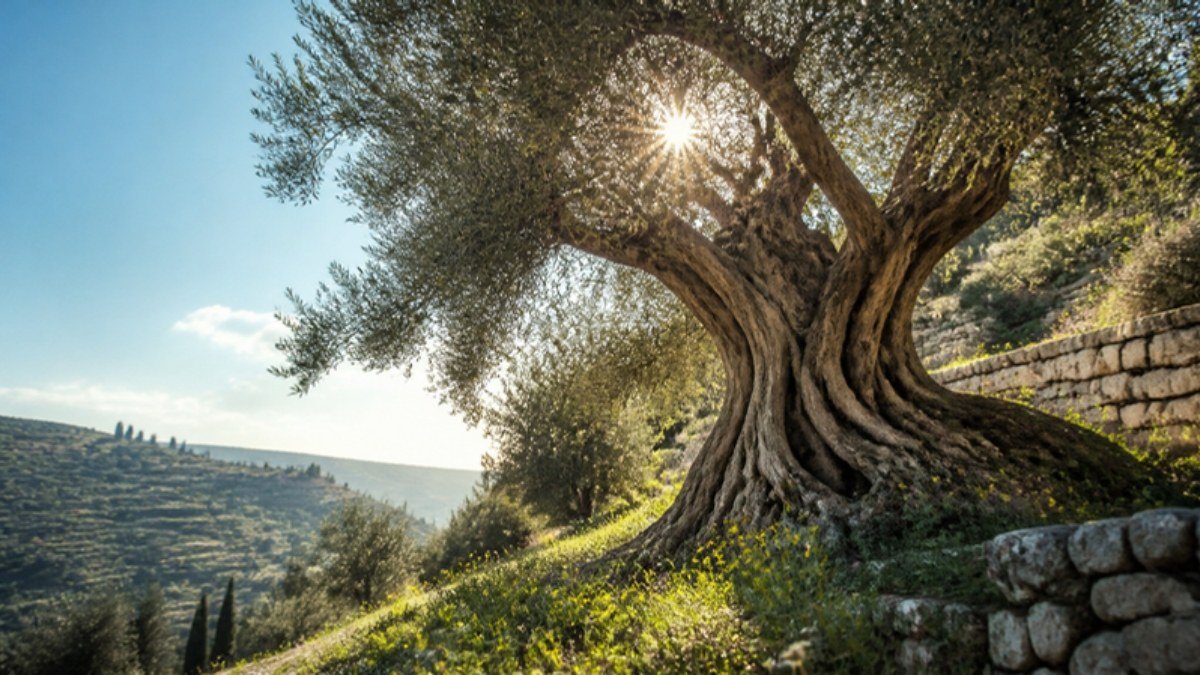
Sunrise over the terraced hills of Judea with old olive trees
King David KabbalahRamban-Yad'a · Weekly Torahבס״ד
Friday, 6 November 2026The Torah portion of Chayei Sarah

Chayei Sarah5787

A daughter named Bakol

Cover: illustration, generated image
Ramban-Yad'a · Chayei Sarah 5787

In these pages

A daughter named Bakol

What is new in these pages

An old oak tree on a sunlit hillside with a young sapling growing beside it
01Part OneWhole in Everything but One
Two clear forest streams meeting in sunlight
02Part TwoA Dispute That Is Not a Doubt
A stone water channel flowing into a round basin in a sunlit garden
03Part ThreeKol, the Channel, and the Daughter Who Receives
A field of white wildflowers at sunrise above a calm sea
04Part FourDaughter, Sister, Mother
An ancient olive tree on a terraced hillside in morning sunlight
05Part FiveThe Tree Called Kol, and Remember Mercy
Sunlight on a calm sea and an open shell with a pearl on the sand
06Part SixThe Treasure of Kings and the Queen of Heaven
The verse · Genesis 24:1
וְאַבְרָהָם זָקֵן בָּא בַּיָּמִים וַה׳ בֵּרַךְ אֶת־אַבְרָהָם בַּכֹּל׃
(Genesis 24:1)

Avraham was old, well on in days, and Hashem had blessed Avraham with everything.

Rashi

The plain meaning according to Rashi

The Hebrew word for "with everything" is bakol. Rashi writes:

בַּכֹּל עוֹלֶה בְּגִימַטְרִיָּא בֵּן, וּמֵאַחַר שֶׁהָיָה לוֹ בֵּן הָיָה צָרִיךְ לְהַשִּׂיאוֹ אִשָּׁה
(Rashi on Genesis 24:1)

Bakol adds up, by the numerical value of its letters, to ben, a son. And since he had a son, he needed to find him a wife.

The panel · Chayei Sarah 5787

Watch the panel

An old oak tree on a sunlit hillside with a young sapling growing beside it
Part One

Whole in Everything but One

Genesis 24:1
Illustration, generated image

Why the verse says it here

Ibn Ezra reads "everything" as long life, wealth, honor and children, all that a person desires. The Ramban explains why the Torah mentions it: Avraham was whole in everything, and:

לֹא חָסַר דָּבָר זוּלָתִי שֶׁיִּרְאֶה בָנִים לִבְנוֹ שֶׁיִּנְחֲלוּ מַעֲלָתוֹ וּכְבוֹדוֹ
(Ramban on Genesis 24:1)

He lacked nothing except to see children of his. A son who would inherit his standing and his honor.

That, the Ramban says, is what Avraham longed for. Then the Ramban turns to what he calls a wonderful matter in the words of the Sages: their dispute about a daughter.

Is a daughter a blessing

״וַה׳ בֵּרַךְ אֶת אַבְרָהָם בַּכֹּל״, מַאי ״בַּכֹּל״? רַבִּי מֵאִיר אוֹמֵר: שֶׁלֹּא הָיְתָה לוֹ בַּת. רַבִּי יְהוּדָה אוֹמֵר: שֶׁהָיְתָה לוֹ בַּת. אֲחֵרִים אוֹמְרִים: בַּת הָיְתָה לוֹ לְאַבְרָהָם, וּ״בַכֹּל״ שְׁמָהּ.
(Bava Batra 16b)

"And Hashem had blessed Avraham with everything": what is "with everything"? Rabbi Meir says: that he had no daughter. Rabbi Yehudah says: that he had a daughter. Others say: Avraham had a daughter, and Bakol was her name.

The Ramban gives each view its reason

For Rabbi Meir, the Ramban explains, having no daughter was itself the blessing. Avraham could only have married her to the cursed sons of Canaan, and if he sent her to his own country she would serve idols there as they did, for a woman is under the authority of her husband. Avraham did not want his worthy seed from Sarah to leave the Land, let alone serve idols.

For Rabbi Yehudah, the daughter was the blessing: in the words of the Gemara elsewhere, the Merciful One did not withhold even a daughter from him, and "with everything" means that he had everything people desire and lacked nothing. Then the Others came and gave the daughter's name. Here the Ramban stops:

וּבֶאֱמֶת שֶׁאֵין הַכַּוָּנָה לַאֲחֵרִים וְהַמַּחְלֹקֶת לָהֶם עִם רַבִּי יְהוּדָה לְהוֹדִיעַ אוֹתָנוּ שֵׁם הַבַּת הַזֹּאת בִּלְבַד
(Ramban on Genesis 24:1)

And in truth, the intent of the Others, and their dispute with Rabbi Yehudah, is not only to tell us the name of this daughter.

Far be it from them, he writes, to spend the great and all-embracing blessing of Avraham on this, as if the Torah were saying that Hashem blessed him with one daughter of that name. The Others introduced a very deep matter in the reading of this verse, and expounded in it one of the secrets of the Torah. What that secret is, the Ramban says next.
From Rabbi Shepherd's teaching

Someone to take it from where he left off

There is a natural desire in a person to have children and to pass on to them what he has, so that they will continue from where he got to. This goes for every dimension of life: physical, intellectual, spiritual, even position within society. In each one of these, the natural desire of every human being is to have a continuation, somebody who will take it from the place where he left off.

A son-in-law is a son in a certain aspect

This desire has a different meaning when a person has a son and when he has a daughter. As the Ramban says here, the nature of a wife is to follow the path of her husband and to connect to what he is connected to. So when we talk about a daughter, the question is whom she will marry. There was no possibility for a daughter of Avraham Avinu to marry someone Avraham could see as a son, because a son-in-law is a son in a certain aspect. Therefore, when the Sages say that Avraham had a daughter, they are not talking about a physical daughter. They are talking about a certain concept, a certain spiritual level that Avraham Avinu had.

Two clear forest streams meeting in sunlight
Part Two

A Dispute That Is Not a Doubt

Genesis 24:1
Illustration, generated image

A secret of the Torah

The Others, the Ramban writes, taught a very deep matter and expounded one of the secrets of the Torah. The word bakol hints at a great matter: the Holy One, blessed be He, has an attribute called Kol, because it is the foundation of everything, and another attribute, called Bat (daughter), emanates from it. This attribute was to Avraham as a daughter, because he is the man of Chesed and conducts himself by it. And so:

וּלְכָךְ אָמְרוּ אֲחֵרִים כִּי אֵין הַבְּרָכָה הַזֹּאת שֶׁנִּתְבָּרֵךְ בַּכֹּל רוֹמֶזֶת עַל שֶׁהוֹלִיד בַּת מִשָּׂרָה אִשְׁתּוֹ אוֹ שֶׁלֹּא הוֹלִיד, אֲבָל הִיא רוֹמֶזֶת עִנְיָן גָּדוֹל, שֶׁבֵּרַךְ אוֹתוֹ בַּמִּדָּה שֶׁהִיא בְּתוֹךְ מִדַּת הַכֹּל
(Ramban on Genesis 24:1)

And therefore the Others said that this blessing, that he was blessed with everything, does not hint that he fathered a daughter from Sarah his wife, or that he did not. It hints at a great matter: that He blessed him with the attribute that is within the attribute of Kol.

One man, two views

Rabbi Yitzchak of Acco asks a hard question here. Everywhere, he notes, the "Others" are Rabbi Meir (and some say Rabbi Natan). How then can one man say a thing and its opposite: as Rabbi Meir, that Avraham had no daughter, and as the Others, that he had one? And he asks a second question, against the Ramban: where do we see a dispute between the Others and Rabbi Yehudah? Rabbi Yehudah did not mention the daughter's name and the Others did, and that is not called a dispute but a support and an added explanation. Rabbi Yitzchak of Acco answers with a "perhaps." While Rabbi Meir still bore that name, he spoke deliberately by the plain meaning: Avraham, as the senses perceive him, did not father a daughter, and the verse speaks only of what the mind perceives. After he was called the Others, he spoke by the way of truth, of what the mind perceives: it is true that Avraham had a daughter, but Bakol is her name. And the Ramban calls it a dispute because the Others debated Rabbi Yehudah's words as if they disagreed, to awaken the students so that no doubt would remain in their hands. Then Rabbi Yitzchak of Acco gives a rule for every place where the Sages debate a secret:

זֶה אוֹמֵר כֵּן הוּא וְזֶה אוֹמֵר אֵינוֹ אֶלָּא כֵּן, דַּע כִּי אֵין מַחְלוֹקֶת זֶה מִטַּעַם שֶׁיֵּשׁ לָהֶם סָפֵק בָּעִנְיָין חָלִילָה, אֶלָּא כְּדֵי לִרְמוֹז רֶמֶז כָּל אֶחָד לְפִי שִׂכְלוֹ וּכְדֵי לְהִתְעוֹרֵר וּלְעוֹרֵר
(Meirat Einayim on Genesis 24:1, Rabbi Yitzchak of Acco)

The vowels were added by the editor; they have not been checked and do not appear in the source. If you have a correction, we would be glad to receive it at join.mekobalim.org.

This one says it is so, and that one says it is only so. Know that this dispute is not because they have doubt in the matter, Heaven forbid, but so that each one may hint a hint according to his understanding, and in order to be awakened and to awaken.

From Rabbi Shepherd's teaching

Physical words for spiritual matters

Many times we have Midrashim and statements of the Sages, and we do not know how to relate to them. Are they about the physical reality, or about a concept, a spiritual reality? Whenever there is an argument in the words of the Sages, we always want to explain that they are not arguing about the physical reality. The argument is almost always on the conceptual level and the spiritual level. As I have explained in many of my classes, we do not have words for the conceptual and spiritual parts of the creation, so the Sages use physical terms to refer to spiritual concepts and matters.

Not an argument about Avraham's family

Here too it sounds like there is an argument about whether Avraham had a daughter or did not, and what the name of that daughter was. To people who are not so advanced in their understanding of the Torah, it sounds like an argument about the physical reality, whether Avraham had a physical daughter or not. That is the point of Rabbi Yitzchak of Acco here. He explains that it is in no way an argument about the physical reality of Avraham Avinu. It is an argument about the concept of the Malchus, the Shechinah: whether it is right to define that the Malchus was given to Avraham Avinu as a daughter on the spiritual level.

A foundation for the words of the Sages

From the clarity we gain in this teaching, we need to take a foundation for how to relate to most of the Midrashim and the words of the Sages. Whenever something sounds strange on the physical level and does not make sense, like an argument of this kind about the physical reality, usually the answer is that it is not talking about the physical reality whatsoever. It is talking about the spiritual, using physical terms to discuss spiritual and conceptual matters.

The blessing of Avraham is the Malchus

We see here that Bakol is really the Malchus, which is called daughter. The daughter of Avraham is the Malchus, the sefirah of Malchus. That is also the concept of Knesset Yisrael, literally the gathering of Israel, which, as I have explained many times, is the Shechinah. The Sages are telling us that this was the special blessing of Avraham Avinu: the blessing of Avraham is the Malchus.

Where every blessing goes

We know that we are all descendants of Avraham. So all the blessings of all of Am Yisrael are about the Malchus, about the Shechinah. Every time we pray, every time we say a blessing for one another, for ourselves, for anything, the place we are blessing is really the sefirah of Malchus in the high heavens. That is the gateway, that is the channel, and from there the abundance comes to every individual.

A stone water channel flowing into a round basin in a sunlit garden
Part Three

Kol, the Channel, and the Daughter Who Receives

Genesis 24:1
Illustration, generated image

An attribute called Kol

Now the Ramban describes each of the two attributes. Of the first he writes:

שֶׁיֵּשׁ לְהקב"ה מִדָּה תִּקָּרֵא "כֹּל", מִפְּנֵי שֶׁהִיא יְסוֹד הַכֹּל
(Ramban on Genesis 24:1)

That the Holy One, blessed be He, has an attribute called Kol (All), because it is the foundation of everything.

Of this attribute, the Ramban writes, it is said, "I am Hashem, who makes everything (kol)" (Isaiah 44:24), and "the advantage of the land is in everything (bakol)" (Ecclesiastes 5:8): the goodness of the land, which flows to all who come into the world, comes because of Kol. And it is the eighth of the thirteen attributes.

A daughter drawn from Kol

Another attribute, the Ramban continues, is called Bat (daughter). It emanates from Kol, and through it Hashem leads everything. It is the court of the Holy One, blessed be He, and in the Song of Songs it is called kallah (bride), because it is kelulah, made up of everything. And:

וְהִיא שֶׁחֲכָמִים מְכַנִּים שְׁמָהּ "כְּנֶסֶת יִשְׂרָאֵל" בִּמְקוֹמוֹת רַבִּים, בַּעֲבוּר שֶׁהִיא כְּנוּסַת הַכֹּל. וְהַמִּדָּה הַזֹּאת הָיְתָה לְאַבְרָהָם כְּבַת, כִּי הוּא אִישׁ הַחֶסֶד וְיִתְנַהֵג בָּזוֹ
(Ramban on Genesis 24:1)

And she is the one the Sages call "the Assembly of Israel" (Knesset Yisrael) in many places, because she is the gathering of everything. And this attribute was to Avraham as a daughter, for he is the man of Chesed, and he conducts himself by it.

She is within the attribute of Kol, the Ramban writes, and so she too is called Kol, as in "for My Name is within him" (Exodus 23:21). And so he is blessed in the heavens and on the earth, and that is why Avraham says, two verses later, "by Hashem, the God of the heavens and the God of the earth" (Genesis 24:3).

All is one

Rabbi Yitzchak of Acco comments on the words "the eighth attribute." The Ramban calls the Tzaddik (another name for the Yesod) Bakol, and he calls the Atarah (another name for the Malchus) Bat, daughter. Even so, Rabbi Yitzchak of Acco writes:

הַכֹּל אֶחָד מִפְּנֵי שֶׁזֶּה כָּלוּל מִזֶּה וְזֶה מִזֶּה בְּיִחוּד אֲמִתִּי, גַּם הִיא תִּקָּרֵא כֹּל כְּמוֹהוּ
(Meirat Einayim on Genesis 24:1, Rabbi Yitzchak of Acco)

The vowels were added by the editor; they have not been checked and do not appear in the source. If you have a correction, we would be glad to receive it at join.mekobalim.org.

It is all one, because this one is included in that one and that one in this one, in a true unity. She too is called Kol, like him.

The secret in the word bazeh

The Ramban opens the teaching of the Sages with the words "and our Rabbis have on this (בזה) a wonderful matter." Rabbi Yitzchak of Acco suggests, with a "perhaps," that the word בזה hints at the same thing it hints at elsewhere, on the verse "and there was light" (Genesis 1:3):

שֶׁהַזַּיִי"ן תִּרְמוֹז לְחֶסֶד שֶׁהוּא אַבְרָהָם הַזָּקֵן וְהַהֵ"א לָעֲטָרָה שֶׁהִיא בַּכֹּל, וְהִיא בִּתּוֹ מְקַבֶּלֶת מִמֶּנּוּ רַחֲמִים
(Meirat Einayim on Genesis 24:1, Rabbi Yitzchak of Acco)

The vowels were added by the editor; they have not been checked and do not appear in the source. If you have a correction, we would be glad to receive it at join.mekobalim.org.

That the Zayin hints at Chesed, which is Avraham the Elder, and the Heh at the Atarah, which is Bakol; and she is his daughter, receiving mercy from him.

Called by His Name

On the words "she too is called Kol, for My Name is within him," Rabbi Yitzchak of Acco writes that since the Name is within, she too is called El Shaddai, just as the Tzaddik is called simply Shaddai. Rabbi Yitzchak of Acco reads "blessed in the heavens and on the earth" in several ways, among them that the Tzaddik (Yesod) is blessed in the heavens and on the earth, for he is the one who joins and completes.

From Rabbi Shepherd's teaching

For all, in the heavens and on the earth

When we pray every morning, we say in Vayevarech David:

לְךָ ה׳ הַגְּדֻלָּה וְהַגְּבוּרָה וְהַתִּפְאֶרֶת וְהַנֵּצַח וְהַהוֹד כִּי־כֹל
(I Chronicles 29:11)

Yours, Hashem, are the greatness, the might, the beauty, the victory and the splendor, for all (kol).

Obviously there is a structure of the sefiros here. The greatness (Gedulah) is the Chesed. It starts from the Chesed and goes down to "for all" (ki kol), after the Netzach and the Hod. That is the Kol mentioned here in the Ramban. That is the Yesod, and the Yesod is the channel that brings the abundance of all the upper sefiros to the Malchus.

Notzer, the channel and the desire

The Ramban connects it to the eighth of the thirteen attributes, Notzer Chesed (keeping kindness). Notzer has the same letters as tzinor (channel) and ratzon (desire). The desire makes the channel of the abundance that comes down. That is the Yesod, the upper mazal, according to the Arizal.

The eighth and the thirteenth

There are a few Kabbalistic concepts here that need explaining. As I explained regarding the words of the Ramban, the eighth attribute, Notzer Chesed, is called, according to the Arizal, the upper mazal, and it is connected to the Tzaddik, the Yesod. The Tzaddik is connected to the Malchus, which is the daughter. Within the structure of the thirteen attributes, that corresponds to the last attribute, the thirteenth, which is VeNakeh (and cleanses). Within the thirteen attributes, the thirteenth is the Malchus of them.

A meditation called Notzer VeNakeh

That is one of the strongest meditations, cited in many, many Kabbalah books and siddurim. It is called Notzer VeNakeh. We see it in different places, and I also included it in my siddur, Siddur Zichron Dovid.

A secret in three letters

Every word of the Torah and every word of the Sages holds high secrets, and when someone understands them, they give him spiritual knowledge of our existence. Here we see an example. In a very short word of three letters [bazeh], we have the tremendous secret of the connection between the sefirah of Chesed and the sefirah of Malchus. The Malchus is the daughter of Avraham Avinu. Every feminine aspect is always connected to the concept of a vessel that receives. Certainly when we are talking about a daughter: the Malchus is the vessel that receives the abundance of Avraham, which is the sefirah of Chesed.

The vessel takes the name of its light

The Yesod is called Kol, and the Yesod is within the Malchus. Once we understand that, the Meirat Einayim explains, we can understand why the Malchus is also called Kol: by the name of the Tzaddik, the Yesod that is within it. I once gave a parable for this. In the old days, when people saw the chariot of the king, or in our days the presidential car or airplane, they could point at it and say, "Here is the president, here is the king." That means the vessel receives the name of the light it holds.

Called by the name of the Shechinah

That is also a lesson for us. When we refine ourselves to the point that we can hold the presence of the Shechinah within us, and make ourselves a vessel that the Shechinah can rest within, we come to be called by the name of the Shechinah.

A field of white wildflowers at sunrise above a calm sea
Part Four

Daughter, Sister, Mother

Genesis 24:1
Illustration, generated image

A king and his only daughter

This matter, the Ramban writes, is hinted at in the words of the Sages in many places. On the verse "with the crown with which his mother crowned him" (Song of Songs 3:11), Rabbi Shimon bar Yochai asked Rabbi Elazar the son of Rabbi Yosi what it means. Rabbi Elazar answered with a parable of a king who had an only daughter, and the Ramban brings it as one more place where the Sages hint at the attribute called Bat:

כָּךְ הָיָה מְחַבֵּב יוֹתֵר מִדַּאי הַקָּדוֹשׁ בָּרוּךְ הוּא לְיִשְׂרָאֵל, וּקְרָאָן בִּתִּי
(Song of Songs Rabbah 3:11)

So the Holy One, blessed be He, loved Israel beyond measure, and called them "My daughter."

The Midrash goes on. The Holy One did not stop loving them until He called them "My sister," as in "Open to me, my sister, my love" (Song of Songs 5:2). Then He called them "My mother," as in "Listen to Me, My people, and give ear to Me, My nation" (Isaiah 51:4), where the word for "My nation" is written so that it can be read "My mother." Rabbi Shimon bar Yochai stood up and kissed Rabbi Elazar on the head, and said that had he come only to hear this, it would have been enough.

Why she is called mother

Rabbi Yitzchak of Acco writes that he came to explain the words "daughter, sister and mother," names of the Atarah, from what he received. She is called daughter from the verse "Guard me like the pupil (bat) of the eye" (Psalms 17:8). She is called bride because she is made up of everything, like a bride under her canopy who is adorned with every ornament. She is called sister (achot) from the Aramaic word for telling, for through her the prophets tell what is to come. She is called companion (ra'ayah) because she is fed from the levels above her and feeds all those below her. Then he writes:

וְנִקְרֵאת אֵם מִפְּנֵי שֶׁהַכֹּל בָּנֶיהָ, וּכְשֶׁעוֹשִׂין רְצוֹנוֹ שֶׁל הַקָּדוֹשׁ בָּרוּךְ הוּא הִיא מְנִיקָה אוֹתָם מֵחָלָב טוֹב וְלָבָן הַבָּא מִן הָרַחֲמִים אֵלֶיהָ
(Meirat Einayim on Genesis 24:1, Rabbi Yitzchak of Acco)

The vowels were added by the editor; they have not been checked and do not appear in the source. If you have a correction, we would be glad to receive it at join.mekobalim.org.

And she is called mother because all are her children. When they do the will of the Holy One, blessed be He, she nurses them with good, white milk that comes to her from the mercy.

When they go against the will of the Holy One, he continues, she strikes them, and he closes with "the one who understands will understand."

From Rabbi Shepherd's teaching

Many names, one Shechinah

The Sages of all the generations spoke about the Shechinah, about the Malchus, in many, many different ways, in many different derashot (expositions). We have different parables, different analogies for the Shechinah: a daughter, a sister, a mother, a wife. These are all different aspects of the relationship that we have with the Shechinah, and that Hashem has with the Shechinah. Each one of them has infinite depth. But the very first surface of understanding is that it is not one thing. There are many different aspects, and even though it seems like a contradiction, each one of them stands for itself.

The bride is Kol with a Heh

We know that the Shechinah, the attribute of the Malchus, is called a daughter, a sister, a mother and a wife. It is also called a bride, kallah: it is the Kol of the Yesod, with an extra Heh that hints at its feminine aspect. And it is kelulah, made up of everything: it receives all of the abundance, the adornments and all the different kinds of lights from above. It is also, as it were, the screen in which the prophets see their prophecy.

Milk of kindness

It is also the source of nourishment, as the Meirat Einayim says here. When we do the will of Hashem, it is as if the Shechinah has milk to nurse us, and the white milk symbolizes the Chesed, the kindness of Hashem. When there are sins among human beings, and specifically in Am Yisrael, the attributes of the Shechinah turn to judgment, and it becomes the source of the punishment. Or not the source: it is the way through which Hashem channels the punishment too.

A vessel for the Shechinah

So with the help of Hashem, I bless us all that we will do the will of Hashem and receive the kindness and mercy. May we make ourselves a vessel that can hold the presence of the Shechinah, and may the Shechinah rest within us, so that we will be able to experience the joy and the happiness in our lives, in this world and the next.

An ancient olive tree on a terraced hillside in morning sunlight
Part Five

The Tree Called Kol, and Remember Mercy

Genesis 24:1
Illustration, generated image

Everything depends on it

This, the Ramban writes, is explained in the Midrash of Rabbi Nechunya ben HaKanah. On the words "I am Hashem, who makes everything (kol)" (Isaiah 44:24), Hashem says that He planted a tree for the whole world to delight in:

וְקָרָאתִי שְׁמוֹ כֹּל שֶׁהַכֹּל תָּלוּי בּוֹ וְהַכֹּל יוֹצֵא מִמֶּנּוּ, וְהַכֹּל צְרִיכִים לוֹ
(Sefer HaBahir 22)

And I called its name Kol, for everything depends on it, and everything comes out of it, and everything needs it.

To it they look and for it they wait, the Bahir continues, and from there the souls blossom in joy. "I was alone when I made it, and no angel can raise himself above it and say, I came before you."

David, Shlomo and Avraham

The Ramban brings a second passage from the Bahir, on the words of the prophet Habakkuk, "in anger, remember mercy" (Habakkuk 3:2). What do they mean? When Your children sin against You and You are angry with them, remember mercy. Remember the one who said, "I love You (erchamcha), Hashem, my strength" (Psalms 18:2), to whom You gave this attribute, the Shechinah of Israel. Remember his son, who inherited it, as it is written, "And Hashem gave wisdom to Shlomo" (I Kings 5:26). And then:

וּזְכוֹר אֲבִיהֶם אַבְרָהָם, דִּכְתִיב: זֶרַע אַבְרָהָם אוֹהֲבִי
(Sefer HaBahir 77)

And remember their father Avraham, as it is written, "the seed of Avraham, who loved Me" (Isaiah 41:8).

From there souls blossom

Rabbi Yitzchak of Acco reads the words of the Bahir one by one. "This tree" is the Yesod. "The whole world" is Tiferet. "Everything depends on it," for it is called Talpiyot, the hill (tel) to which everyone turns, because it is made up of everything, and it completes, joins and unites them all. On the words "and from there souls blossom":

"וּמִשָּׁם פּוֹרְחוֹת נְשָׁמוֹת" כִּי הוּא חַי הָעוֹלָמִים, וּמִמֶּנּוּ יוֹצֵא אֲצִילוּת רוּחַ הַקּוֹדֶשׁ לָעֲטָרָה, וּמִמֶּנָּה נְשָׁמָה לַגּוּפִים
(Meirat Einayim on Genesis 24:1, Rabbi Yitzchak of Acco)

The vowels were added by the editor; they have not been checked and do not appear in the source. If you have a correction, we would be glad to receive it at join.mekobalim.org.

"And from there souls blossom": for it is the Life of the worlds. From it goes out an emanation of Ruach HaKodesh to the Atarah, and from her a soul to the bodies.

And on "no angel can raise himself above it," he writes: not even the holy Chayot, for from it all of them are emanated and sustained.

Every remembering above is mercy

On the second passage, Rabbi Yitzchak of Acco explains the Bahir word by word:

רַחֵם תִּזְכּוֹר, הָעֲטָרָה תִּזְכּוֹר, וּכְבָר יָדַעְתָּ כִּי כָּל זְכִירָה לְמַעְלָה רַחֲמִים
(Meirat Einayim on Genesis 24:1, Rabbi Yitzchak of Acco)

The vowels were added by the editor; they have not been checked and do not appear in the source. If you have a correction, we would be glad to receive it at join.mekobalim.org.

"Remember mercy": remember the Atarah. And you already know that every remembering above is mercy.

She is called rechem (womb), he writes, because she is the Malchus. David said the verse "I love You (erchamcha)," and after David his son Shlomo inherited her. And "remember Avraham our father": that is Chesed.

From Rabbi Shepherd's teaching

Ancient words need deep contemplation

The Sefer HaBahir is one of the most ancient Kabbalah books, from Rabbi Nechunya ben HaKanah, who was one of the teachers of Rabbi Akiva. The further back we go in the generations of the Kabbalists, the more observation and in-depth contemplation their words need before we can understand what they mean. Here we see an example. The Bahir says something that sounds like a little derashah (exposition), as if Hashem says: I have planted a tree that the whole world can have and use, and the name of this tree is Kol. But what does it mean?

The tree is the Yesod

We have already explained that Kol is the Yesod, so the tree is the Yesod. We know that a tree is a very significant symbol and analogy, generally, and specifically in the Kabbalah: the Tree of Life, which has all of the sefiros. But here we see a clear source in an ancient Kabbalistic text that the tree specifically is the sefirah of Yesod.

Planted before everything

The Yesod explained here is something that connects all of the creation. In other words, we are talking about a very high level of Yesod, to the point that there is no angel before it. It is prior to the creation of the angels, and obviously to the creation of human beings. It sounds like Hashem created that tree before everything. And then the land that Hashem created, which is the analogy for the Malchus, is the place where Hashem planted that tree.

We all need mercy

As it says here in the Midrash that the Ramban brings, that attribute of the Shechinah, the sefirah of Malchus, is the source of mercy. We all need mercy: every individual, and every wider circle, every family, every community, every nation, all humanity. We all need the mercy of Hashem.

The memory of Avraham

And it says here that for us to receive the mercy, it is as if Hashem needs to remember Avraham. The memory of Avraham, the reminder of Avraham, activates the channeling of the mercy through the Shechinah.

Sunlight on a calm sea and an open shell with a pearl on the sand
Part Six

The Treasure of Kings and the Queen of Heaven

Genesis 24:1
Illustration, generated image

What the king gave his servant

The Bahir asks the question in its own words. Where did Avraham have a daughter? From our verse, "and Hashem had blessed Avraham with everything," together with "everyone who is called by My Name, whom I created for My glory" (Isaiah 43:7). Was that blessing his daughter, or not? Yes, it was his daughter (in the Ramban's text the question reads: was it his daughter, or was it only his mother?). Then the Bahir tells the parable whole. A master (in the Bahir, a king) had a servant, whole and perfect before him. The master tested him with many trials, and the servant stood up to all of them. The master entrusted him to his great brother, to advise him, guard him and honor him. The servant learned the brother's ways, and the brother loved him and called him "My beloved," as it is written, "the seed of Avraham, who loved Me." Then the brother said:

הִנֵּה כְּלִי נָאֶה עָשִׂיתִי וּבוֹ מַרְגָּלִיּוֹת נָאוֹת אֵין כְּמוֹתָם סְגֻלּוֹת מְלָכִים אֶתְּנֶנָּה לוֹ וְיִזְכֶּה בִּמְקוֹמוֹ
(Sefer HaBahir 78)

Here is a beautiful vessel I have made, and in it beautiful pearls, the like of which there are none, the treasures of kings. I will give her to him, and he will merit in his place.

"And this," the parable ends, "is what is written: and Hashem had blessed Avraham with everything."

The queen of heaven

"If you understand what I have written," the Ramban says, "you will know the saying of the accursed women" in the days of Jeremiah:

וּמִן־אָז חָדַלְנוּ לְקַטֵּר לִמְלֶכֶת הַשָּׁמַיִם וְהַסֵּךְ־לָהּ נְסָכִים חָסַרְנוּ כֹל
(Jeremiah 44:18)

But since we stopped burning incense to the queen of heaven and pouring drink offerings to her, we have lacked everything (kol).

You will also know why the word for "queen" is written there without an Alef, and you will grasp many matters that are sealed in the Torah and in Scripture. Had the one who prides himself on the secrets of the Torah known this, the Ramban adds, his lips would have been silenced from mocking the words of the Sages.

The open house

On "where did Avraham have a daughter," Rabbi Yitzchak of Acco writes: the Atarah, the daughter of Chesed. Then he reads the parable word by word. "To a king" is Tiferet. "To my great brother" is Chesed, which is called Gedulah (greatness). "The servant" is Avraham below. "And he learned his ways": Avraham is a man of kindness, as it says, "kindness to Avraham" (Micah 7:20). Then:

כְּלִי נָאֶה, הָעֲטָרָה וְהַיְּסוֹד כִּי הַכֹּל אֶחָד
(Meirat Einayim on Genesis 24:1, Rabbi Yitzchak of Acco)

The vowels were added by the editor; they have not been checked and do not appear in the source. If you have a correction, we would be glad to receive it at join.mekobalim.org.

"A beautiful vessel": the Atarah and the Yesod, for all is one.

The word for "vessel" is masculine, he notes, and hints at the Yesod, while "I will give her" hints at the Atarah. And on "he will merit in my place" (so the Ramban's text reads), he writes that in all of Avraham's days the attribute of kindness did not need to pour out its kindness on the creatures. Avraham planted an eshel (Genesis 21:33), and he brings the reading of its letters as eating, drinking and lodging (and also eating, lying down and escorting). And then:

וְהָיָה בֵּיתוֹ פְּתוּחָה לְאַרְבַּע רוּחוֹת לְכָל עוֹבֵר וָשָׁב, וְהָיָה רָץ אַחֲרֵיהֶם וּמַכְרִיחָם לֵהָנוֹת מִשֶּׁלּוֹ וּלְקָרְבָן תַּחַת כַּנְפֵי הַשְּׁכִינָה
(Meirat Einayim on Genesis 24:1, Rabbi Yitzchak of Acco)

The vowels were added by the editor; they have not been checked and do not appear in the source. If you have a correction, we would be glad to receive it at join.mekobalim.org.

His house was open to the four directions for everyone who passed by, and he would run after them and compel them to enjoy what was his, and to bring them close under the wings of the Shechinah.

Incense to the Atarah alone

Rabbi Yitzchak of Acco writes that "queen of heaven" is missing an Alef to hint at the intent of the accursed women, who were "cutting the shoots":

שֶׁהָיוּ מְקַטְּרִין לָעֲטָרָה לְבַדָּהּ שֶׁאֲחָזוּהָ לְבַדָּהּ בְּמַחְשְׁבוֹתָם הָרָעָה
(Meirat Einayim on Genesis 24:1, Rabbi Yitzchak of Acco)

The vowels were added by the editor; they have not been checked and do not appear in the source. If you have a correction, we would be glad to receive it at join.mekobalim.org.

For they burned incense to the Atarah alone, grasping her alone in their evil thought.

And you already know, he adds, that she is the Shabbat Queen. The one who mocked, he writes, is Ibn Ezra, who had written that if Bakol were a daughter's name, the verse would need one more letter.

From Rabbi Shepherd's teaching

A segulah can be a hidden power

The Ramban quotes another Midrash here, which uses a further analogy to explain another aspect of the Shechinah: the vessel that holds all the precious stones. That is the segulah, and we need to explain what a segulah is. People explain it as a virtue, but it can also be a hidden power. So these are the precious stones that hold the hidden powers of the kings, and Hashem gave this vessel to His servant, who is Avraham.

Through the Shechinah to all the nations

We know that all the kings of the nations receive their spirit, strength and qualities through their ministers. And all the qualities that can be found in the ministers of the nations are found in the Shechinah. In other words, it is not only Am Yisrael that receives its abundance through the Shechinah. It is also the ministers, the angels that channel those blessings to all of the nations.

Who is to blame

We see an interesting point here. Burning incense to all kinds of idols and to the stars, for the purpose of channeling down abundance, is found in the traditions of all the nations. Sometimes it seems to work, and sometimes it does not. And when it does not, there is a question of who is to blame. We see all through history, many, many times, that whenever a nation did not have the abundance it felt it deserved, it blamed Am Yisrael.

A point of truth

Obviously that is not right. But in a much bigger picture than those people usually had in mind at the time, there is a point of truth to it. The channels of the ministers come from the Shechinah, and the Shechinah is affected by the actions of Am Yisrael.

Seventy bulls for the whole world

We see that very clearly in the offerings that were brought in the Beis Mikdash on the holiday of Sukkot. The Sages explain that the seventy bulls were for the seventy nations:

הָנֵי שִׁבְעִים פָּרִים כְּנֶגֶד מִי, כְּנֶגֶד שִׁבְעִים אוּמּוֹת
(Sukkah 55b)

These seventy bulls, whom do they correspond to? They correspond to the seventy nations.

The seventy nations mean the whole world, so that everybody would have their abundance for the coming year. So when Am Yisrael is active in doing what it needs to do, the whole world is filled with abundance.

When the nations ask

That is why it says that in the time to come (I think it is already happening, but at least we can say: very, very soon), the truth will be revealed. All of the nations will encourage Am Yisrael: please go to learn Torah, please do more mitzvot, connect to Hashem on a higher level. And they will support Am Yisrael, so that Am Yisrael will be able to do that. That is because everybody will understand the spiritual mechanics of how these things cycle through the dimensions of reality, to finally bring down the abundance.

Shabbat Shalom,

Rabbi Yaakov Avraham Shepherd
Yeshivat HaMekubalim Nefesh HaChaim

This week we prayed for our partners at the Tomb of King David in Jerusalem. If you have not yet joined the circle of members of Yeshivat HaMekubalim, please join us as soon as you can.

jGive · Yeshivat HaMekubalim Nefesh HaChaim
Every week

Ramban-Yad'a by email every Friday

join.mekobalim.org

Join the list

You are receiving this because you joined the weekly Torah newsletter of Yeshivat HaMekubalim Nefesh HaChaim, a registered nonprofit yeshiva (registered association no. 580628527) in Jerusalem.

Join the newsletter list: https://join.mekobalim.org

Sources: verses and Rashi from Sefaria (Miqra according to the Masorah; Rashi, Rosenbaum and Silbermann edition). Ramban from Sefaria (Vocalized Edition). Talmud from Sefaria (William Davidson Edition); Song of Songs Rabbah from Sefaria (Midrash Rabbah); Ibn Ezra from Sefaria. Sefer HaBahir from Sefaria (sections 22, 77 and 78). Meirat Einayim, Rabbi Yitzchak of Acco, main text only, read from the printed scan; abbreviations written out.

A note on the vowels: the Meirat Einayim and the Sefer HaBahir are printed without vowels. The vowels on their quotations here were added by us; they are not in the source and have not been checked by an editor. If you have a correction, we will be glad to receive it.

From the classes of Rabbi Yaakov Shepherd

Ramban-Yad'a · Chayei Sarah 5787 · All Ramban-Yad'a pages · Back to the cover