
 Ramban-Yad'a · Weekly Torahבס״ד
Lech Lecha5787
Who appeared to him
In this issue
Who appeared to him
This week we take four verses from the Torah portion of Lech Lecha: the altar Avram built to Hashem who appeared to him, Malki Tzedek king of Shalem, the word of Hashem that came to Avram in a vision, and the torch of fire that passed between the pieces. On each of them the Meirat Einayim of Rabbi Yitzchak of Acco opens a hint of the Ramban, and Rabbi Shepherd adds his commentary.

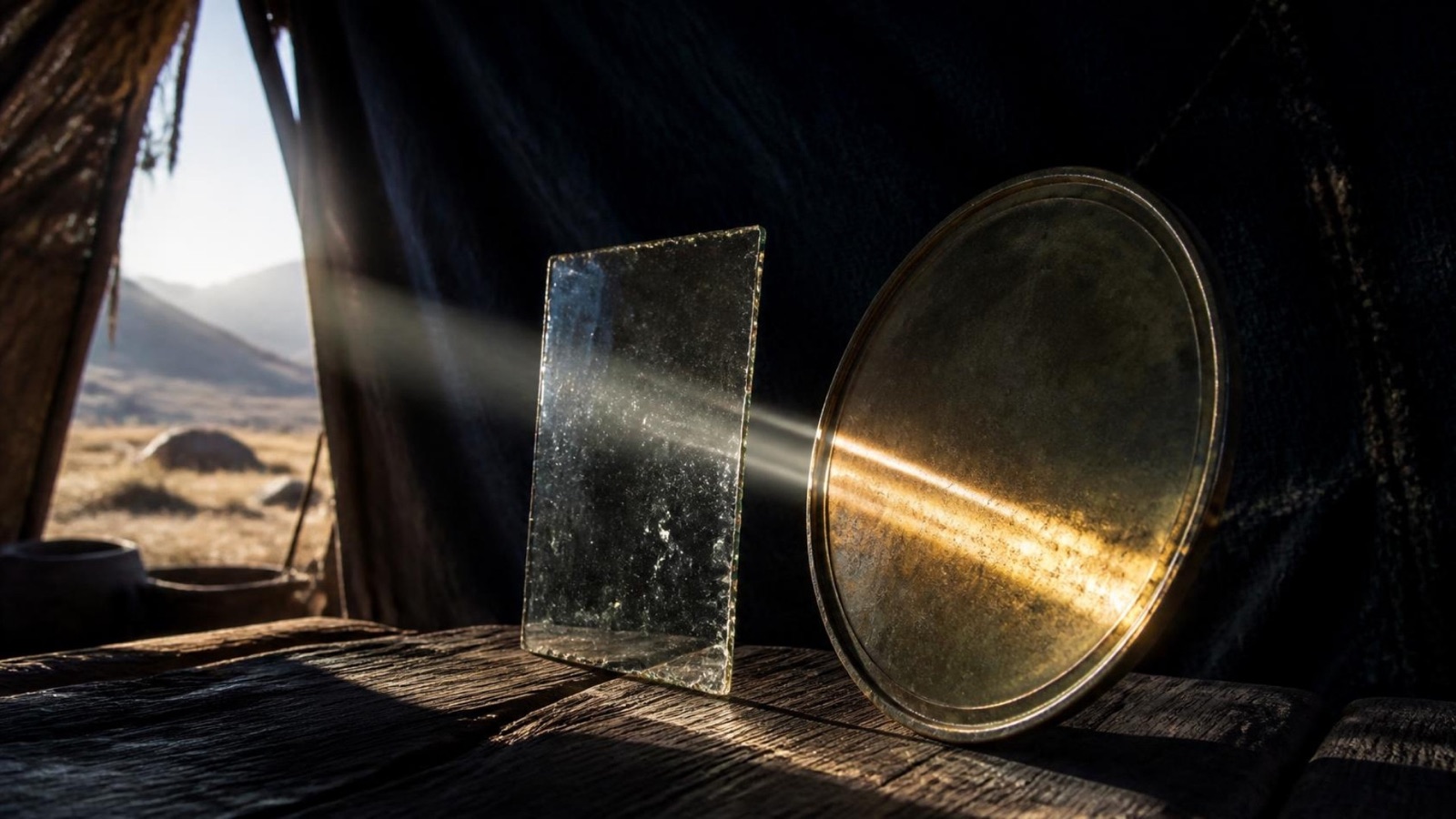
Who Appeared to Him: Prophecy Through the Atarah
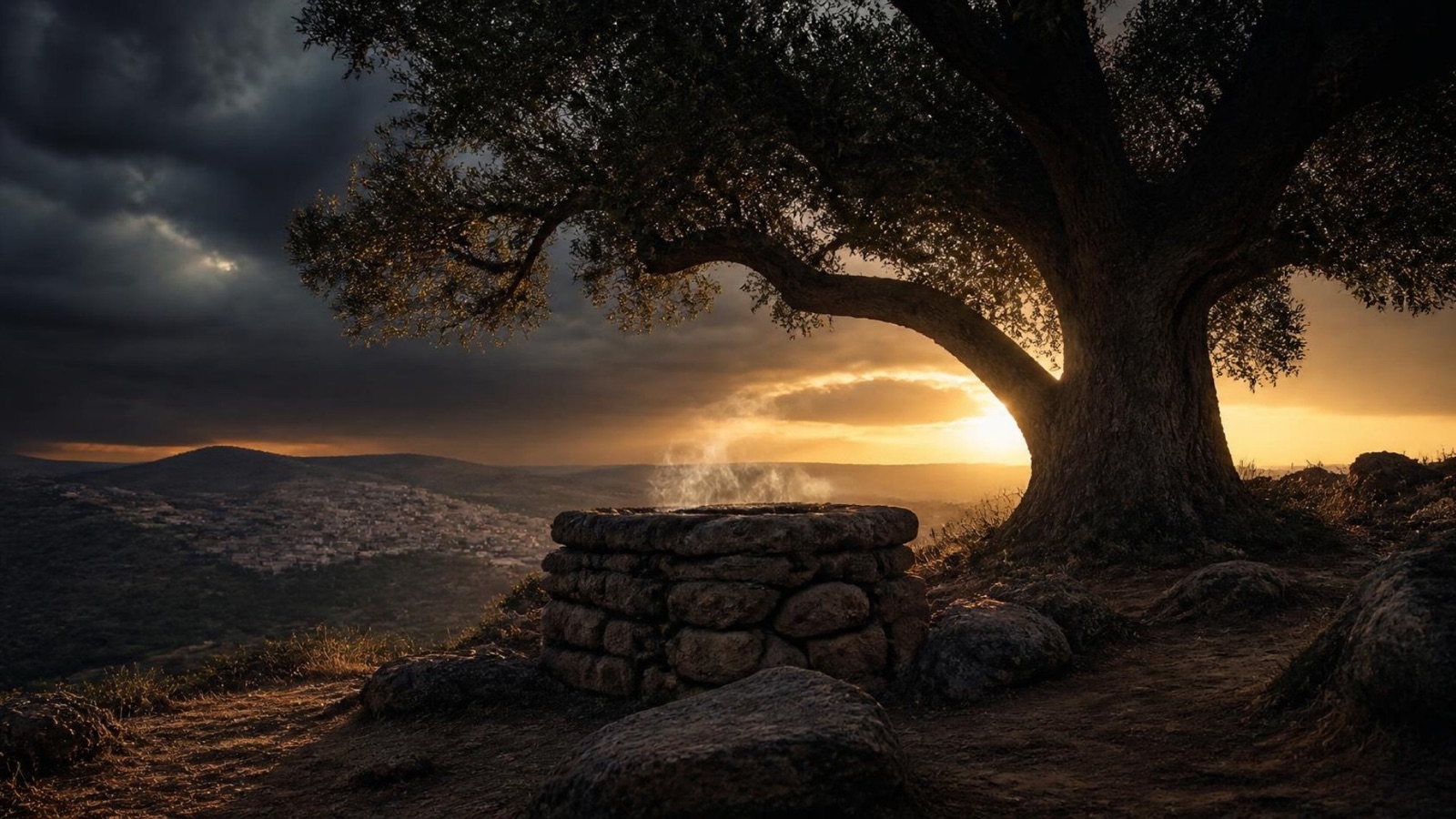
And Hashem appeared to Avram and said: To your seed I will give this land. And he built there an altar to Hashem, who had appeared to him.
A thanksgiving offering
The Ramban explains the words "to Hashem who had appeared to him":
כִּי הוֹדָה לַשֵּׁם הַנִּכְבָּד וְזָבַח לוֹ זֶבַח תּוֹדָה עַל שֶׁנִּרְאָה אֵלָיו
For he gave thanks to the Glorious Name, and offered Him a thanksgiving offering because He had appeared to him.
Until now Hashem had not appeared to him, nor made Himself known to him in a vision or a sight. "Go forth from your land" was said to him in a dream of the night, or by the holy spirit.
The secret of the offering
Then the Ramban adds one line:
וְיִתָּכֵן שֶׁיִּרְמֹז "הַנִּרְאֶה אֵלָיו" עַל סוֹד הַקָּרְבָּן
And it may be that "who had appeared to him" hints at the secret of the offering.
"The one with insight will understand," he ends. He does not say what the secret is. The Meirat Einayim does.
Two faces, and the one who appeared
Rabbi Yitzchak of Acco begins with the Ramban's line and explains it. The secret of the offering is to the two faces together (du partzufin): "to Hashem" is Tiferet (beauty), and "who had appeared" is in the Atarah (the sefirah of Malchus). Why the Atarah?
כִּי הָעֲטָרָה הוּא "שֶׁנִּרְאָה אֵלָיו" כִּי הַנְּבִיאִים בָּהּ הֵם מִתְנַבְּאִים, רַק שֶׁמֹּשֶׁה הִשִּׂיג עַד הַתִּפְאֶרֶת
The vowels were added by the editor; they have not been checked and do not appear in the source. If you have a correction, we would be glad to receive it at join.mekobalim.org.
For the Atarah is "the one who appeared to him," since the prophets prophesy through her; only Moshe reached as far as Tiferet.
That is why Avram offered a thanksgiving offering to the two faces together: to draw upon himself the flow of the Atarah, for through her he would prophesy. And you already know, he closes, that the secret of acknowledgment and of thanksgiving to the Glorious Name is in the unification of all.
Rabbi Shepherd's commentary
The Meirat Einayim explains that the secret of the offering is du partzufin, the two faces. This is his expression for the masculine and feminine aspects, which the Arizal calls Zeir Anpin and Nukva. Zeir Anpin, the masculine aspect, is the Tiferet (beauty), as the Meirat Einayim says here. In truth it is not only the Tiferet. It is six sefiros (divine attributes): Chesed (kindness), Gevurah (strength), Tiferet, Netzach (victory), Hod (splendor) and Yesod (foundation).
HaNireh, "who appeared," is in the Atarah (crown), and the Atarah is the Malchus (kingship), the feminine aspect. What the Meirat Einayim adds here is that nireh elav, it appears to him, through the Atarah, through the Tiferet, through the Malchus, because that is the way prophecy comes to the prophets.
Avraham Avinu was one of the first prophets, and he received the abundance of prophecy from the Tiferet through the Malchus. Moshe Rabbeinu received his prophecy from the Tiferet itself, and that is the special level of the prophecy of Moshe Rabbeinu above all the other prophets.
Malki Tzedek, King of Shalem
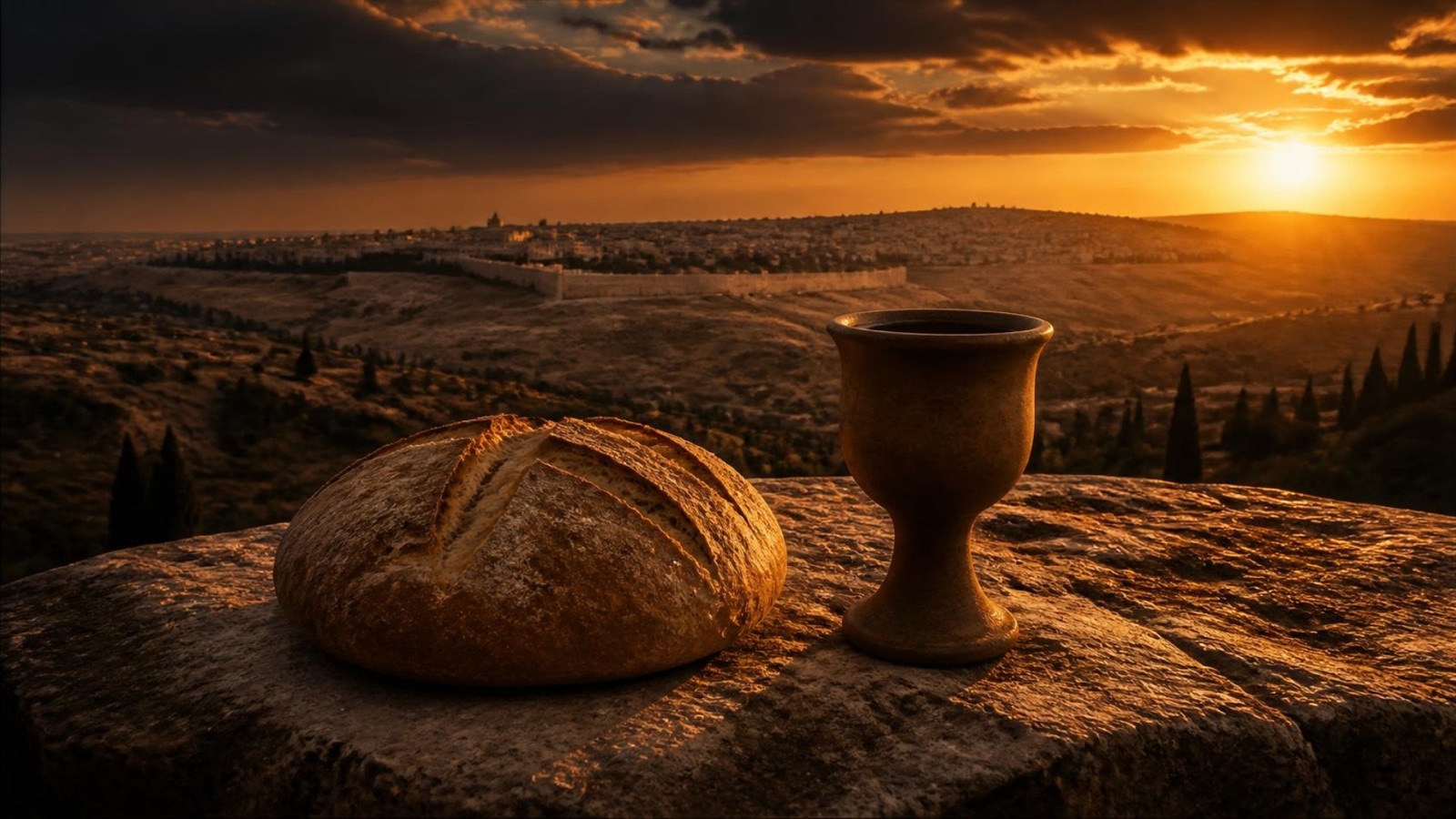
And Malki Tzedek, king of Shalem, brought out bread and wine; and he was a priest of God Most High.
Shalem is Jerusalem
The Ramban begins with the name of the city:
מֶלֶךְ שָׁלֵם הִיא יְרוּשָׁלַיִם
King of Shalem: this is Jerusalem.
So it says, "In Shalem is His tabernacle" (Psalms 76:3), and in the days of Yehoshua the king of Jerusalem was also called Adoni Tzedek (Joshua 10:1).
The choicest of places
Why would its kings carry the name Tzedek (righteousness)? The Ramban gives two answers:
כִּי מֵאָז יָדְעוּ הַגּוֹיִם כִּי הַמָּקוֹם הַהוּא מִבְחַר הַמְּקוֹמוֹת בְּאֶמְצַע הַיִּשּׁוּב
For from then the nations knew that this place is the choicest of places, in the middle of the inhabited world.
Or they knew its greatness by tradition:
שֶׁהוּא מְכֻוָּן כְּנֶגֶד בֵּית הַמִּקְדָשׁ שֶׁל מַעְלָה, שֶׁשָּׁם שְׁכִינָתוֹ שֶׁל הקב"ה שֶׁנִּקְרָא "צֶדֶק"
That it is set opposite the Temple above, where the Shechinah (the Divine Presence) of the Holy One, blessed be He, dwells, which is called Tzedek.
The Sages say in Genesis Rabbah (43:6): this place makes its inhabitants righteous, and Jerusalem is called Tzedek, as it says, "Tzedek lodged in her" (Isaiah 1:21).
It is the Atarah
The Ramban says that the Shechinah above is called Tzedek. Rabbi Yitzchak of Acco says in one line what all these names are:
וּמַלְכִּי צֶדֶק וְכוּ' "הִיא צֶדֶק הִיא שָׁלֵם הִיא יְרוּשָׁלִַם" הִיא הָעֲט'
The vowels were added by the editor; they have not been checked and do not appear in the source. If you have a correction, we would be glad to receive it at join.mekobalim.org.
"And Malki Tzedek," and so on: "It is Tzedek, it is Shalem, it is Jerusalem": it is the Atarah.
Rabbi Shepherd's commentary
Who was Malki Tzedek? An interesting Midrash (rabbinic exposition) says that Malki Tzedek was Shem, the son of Noach, and that he was the first Kohen, the first priest of Am Yisrael. There was no Am Yisrael yet, but he is considered the first Kohen.
The verse calls him Melech Shalem, the king of Shalem. What is Shalem? The Ramban explains that it is Jerusalem. Jerusalem is called Yeru Shalem, so Shalem is the second part of the name. The first part, Yeru, is connected with yirah (awe), but that is a separate point for another time.
The Ramban explains that this place is the choicest place, the one called the middle point of the settlement. Which settlement? The settlement of all humanity. All of humanity is settled on the earth, and the middle of the earth is Jerusalem. It is parallel to the heavenly Beit HaMikdash, the dwelling place of the Shechinah (the Divine Presence), and corresponds to it.
That is the Tzedek (righteousness), and that is the reason for the name Malki Tzedek: Tzedek is also a word we use for the Malchus (kingship). This is what the Meirat Einayim says: Tzedek hi Shalem hi Yerushalayim hi HaAtarah. Malki Tzedek is the king of Tzedek, and Tzedek is Shalem, the same thing, which is Jerusalem, which is the Atarah (crown), which is the Malchus, which is the Shechinah.
Higher Than All the Angels
Priests to the angels
The end of the verse says that Malki Tzedek was "a priest of God Most High." Why "Most High"? The Ramban:
בַּעֲבוּר הֱיוֹת בְּכָל הָעַמִּים כֹּהֲנִים מְשָׁרְתִים לַמַּלְאָכִים הַנִּקְרָאִים "אֵלִים"
Because among all the nations there were priests who served the angels, which are called eilim (mighty ones).
As it says, "Who is like You among the eilim" (Exodus 15:11). So the Holy One, blessed be He, is called God Most High, the Mighty One who is high above all the high ones. The Ramban adds that Malki Tzedek did not mention the Name, but Avraham said, "Hashem, God Most High" (Genesis 14:22).
Angels and stars
Rabbi Yitzchak of Acco takes "Most High" further and brings the words of Rabbi Avner:
וְהוּא כֹהֵן לְאֵל עֶלְיוֹן עַל כָּל הָעֶלְיוֹנִים הַנִּבְרָאִים יִת' וְיִת'. וְאוֹמֵר הָר' אַבְנֵר כִּי הָאֱלֹהִים יִרְמוֹז לַמַּלְאָכִים, וְהָאֲדוֹנִים יִרְמוֹז לַכּוֹכָבִים, וְהָאֱלֹהִים הֵם נַפְשׁוֹת לָאֲדוֹנִים.
The vowels were added by the editor; they have not been checked and do not appear in the source. If you have a correction, we would be glad to receive it at join.mekobalim.org.
"And he was a priest of God Most High": above all the created higher beings, may He be blessed and exalted. And Rabbi Avner says that the gods allude to the angels, and the masters allude to the stars, and the gods are souls to the masters.
Rabbi Shepherd's commentary
Here is an important point we need to understand. The spiritual powers that sustain the seventy nations, and in fact every part of creation, are the angels, and the Ramban explains that these angels are called eilim (mighty ones), gods. The nations that had the spiritual grasp and sight to see the supernatural power of the angels called them gods. So a concept of gods came into the world, even though they are not really gods. They are only angels, servants of Hashem.
This created a situation in which we must distinguish between our God, Hashem Himself, the Infinite, and the angels that people call gods. For that reason the Torah tells us that Malki Tzedek was priest to the highest God. Obviously "highest" does not mean there is a real comparison between Hashem and the angels. The angels are servants of Hashem. You do not say that the king is the highest of the servants, higher than the other servants. Obviously the king is higher than the servants. They are not on the same platform, and there is no comparison between them, and between Hashem and the angels the difference is much, much greater still. But because our perception is so limited and so low, we have to explain that Hashem is higher than all the angels, while really there is no place for comparison.
Another interesting point here: he says that there are gods, the way the angels are referred to, and there are adonim (masters), which Rabbi Avner explains are the stars. The zodiac is, in a way, like a master. There is the king, there are the ministers, and there are the masters, who are at a lower level than the angels, the ministers. And to sum it up in a phrase: the angels are the inner being of the masters.
That is, the power of the zodiac comes from the angels. It is not the same thing, but there is certainly a connection. In a way you can say that just as a human being has a body and a soul, so within the power and potential of influence of the zodiac there is an inner strength, which is the angels. But the main thing for us to remember is that Hashem is much, much higher, with no comparison, high above.
Spiritual Sight Is a Present
After these things the word of Hashem came to Avram in a vision, saying: Fear not, Avram, I am a shield for you; your reward is very great.
A vision by day
The Ramban looks at the words "in a vision":
זָכָה עַתָּה אַבְרָהָם לִהְיוֹת לוֹ דְּבַר ה' בַּמַּחֲזֶה בַּיּוֹם, כִּי מִתְּחִלָּה הָיְתָה נְבוּאָתוֹ בְּמַרְאוֹת הַלַּיְלָה
Now Avraham merited that the word of Hashem came to him in a vision by day, for at first his prophecy came in visions of the night.
The Ramban adds that "in a vision" here is like "and all the people saw the voices" at Sinai (Exodus 20:15), and that their secret is for those who know the hidden wisdom. He does not say more.
The seeing glass
Rabbi Yitzchak of Acco explains both words, the vision and the voices:
"בַּמַּחֲזֶה" רוֹמֵז לָעֲט' שֶׁנִּקְרֵא' חֲזַחֲזִית, שֶׁעַל יָדָהּ חוֹזִים הָעֲתִידוֹת וּדְבַר ה' שֶׁפַע הָרַחֲמִים בָּהּ. "הַקּוֹלֹת" חָסֵר וָאו שְׁנִייָּה הוּא הָעֲט' שֶׁנִּקְרֵאת קוֹל, כִּי בַּת קוֹל מִמֶּנָּה.
The vowels were added by the editor; they have not been checked and do not appear in the source. If you have a correction, we would be glad to receive it at join.mekobalim.org.
"In a vision" alludes to the Atarah, which is called the seeing glass, for through her the future is seen; and "the word of Hashem" is the flow of mercy in her. "The voices," written without the second vav, is the Atarah, which is called voice, for the heavenly voice comes from her.
Rabbi Shepherd's commentary
The Torah tells us that the abundance of prophecy came to Avraham at a level called machazeh (vision). The Meirat Einayim explains that machazeh is the abundance that comes through the Atarah, the Malchus (kingship). We have already learned that the prophets receive their prophecy from the Malchus. But here the Meirat Einayim tells us something very interesting. Not only the true prophets, but also people who have spiritual sight and can predict the future, which we know happened among the nations too in some rare cases, receive it from the same source, the same sphere of Malchus.
Perhaps not the same sphere of Malchus, since there are many spheres of Malchus, but it comes from the same spiritual mechanism, let us call it. The Meirat Einayim explains that this is the abundance of the mercy of Hashem that appears within the sphere of Malchus. In other words, the ability of spiritual sight and prophecy comes from the mercy of Hashem. Why? Because by merit and judgment we do not have the privilege, we do not have the merit, to have spiritual sight or prophecy. It comes from the mercy of Hashem, which means it is a present.
This is a very important point, because many people want spiritual sight. They want a message, to hear what Hashem is saying to them, and perhaps they do all kinds of things for it. I am not saying a person should not do that. It is a very good thing to do. But even after a person has made every kind of effort, he cannot say: now Hashem has to reveal it to me, now I must receive that revelation, that prophecy. It always stays within the framework of a present. It cannot go outside it, and a present is not something you can demand.
Another interesting point the Meirat Einayim makes is that the bat kol (heavenly voice) is the same concept. What is a bat kol? The voice from heaven, the heavenly voice that comes to sages. In many places the sages heard a voice from heaven that gave them a certain message, sometimes, for some reason. That too is a present. We cannot say, I am so good, I am so righteous, that Hashem has to give me the ability to hear the voice from heaven. No. We can ask humbly. If Hashem wants, Hashem will give, and if not, we still have to continue to serve Him with faith and loyalty.
Prophecy, Ruach HaKodesh and the Heavenly Voice
Three levels
On the same verse Rabbi Yitzchak of Acco copies what he found in the writing of Rabbi Yitzchak Todros the Pious:
וּמִכְּתִיבַת ר' יִצְחָק טוֹדְרוֹס הֶחָסִיד נ"ר כָּתַבְתִּי כִּי ג' חִלּוּקִים הֵם, נְבוּאָה זָכוּ בָּהּ נְבִיאִים, רוּחַ הַקּוֹדֶשׁ לְמַטָּה מִן הַנְּבוּאָה וְזָכוּ בָּהּ דָּוִד וּשְׁלֹמֹה וְדָנִיֵּאל וְכַיּוֹצֵא בָּהֶם שֶׁדִּבְּרוּ בְּרוּחַ הַקֹּדֶשׁ, בַּת קוֹל לְמַטָּה מִכּוּלָּן, וְזָכוּ בָּהּ חַכְמֵי תַּלְמוּד אַחַר שֶׁפָּסְקָה נְבוּאָה וְרוּחַ הַקּוֹדֶשׁ, וְלֹא הָיָה נִשְׁמָע וְנִרְגָּשׁ כִּי אִם לַחֲכָמִים וַחֲסִידִים וְהָיוּ מִשְׁתַּמְּשִׁים בָּהּ וְצוֹפִים בָּהּ עֲתִידוֹת, ע"כ.
The vowels were added by the editor; they have not been checked and do not appear in the source. If you have a correction, we would be glad to receive it at join.mekobalim.org.
From the writing of Rabbi Yitzchak Todros the Pious, may his light shine, I copied that there are three levels. Prophecy: the prophets merited it. The holy spirit, below prophecy: David, Shlomo, Daniel and others like them merited it, who spoke by the holy spirit. The heavenly voice, below them all: the sages of the Talmud merited it after prophecy and the holy spirit had ceased. It was heard and felt only by sages and pious men, and they would make use of it and see the future through it. Until here.
Rabbi Shepherd's commentary
Here again the Meirat Einayim shows that prophecy, Ruach HaKodesh and the heavenly voice are the same kind of abundance at different levels of quality. The highest quality, which gives the highest clarity, is prophecy itself. A little below it is Ruach HaKodesh, which I translate as divine inspiration. Below that is the heavenly voice, a voice that people can sometimes hear speaking to them.
On this point I want to add that, for us, even if someone knows that he hears a voice, it does not have to be the voice we are speaking about here. It can be the voice of something else, a spiritual entity without a physical body, such as a spirit or something like that. It does not have to come from Hashem through the Malchus (kingship). But when someone is very, very connected to Hashem and truly righteous, following all of the Torah and doing all that he needs to do, small and big, there is a possibility that people, even we, will hear the voice that comes from heaven, or even receive Ruach HaKodesh, divine inspiration, with the help of Hashem, soon, by all of us.
The Torch of Fire and the Covenant
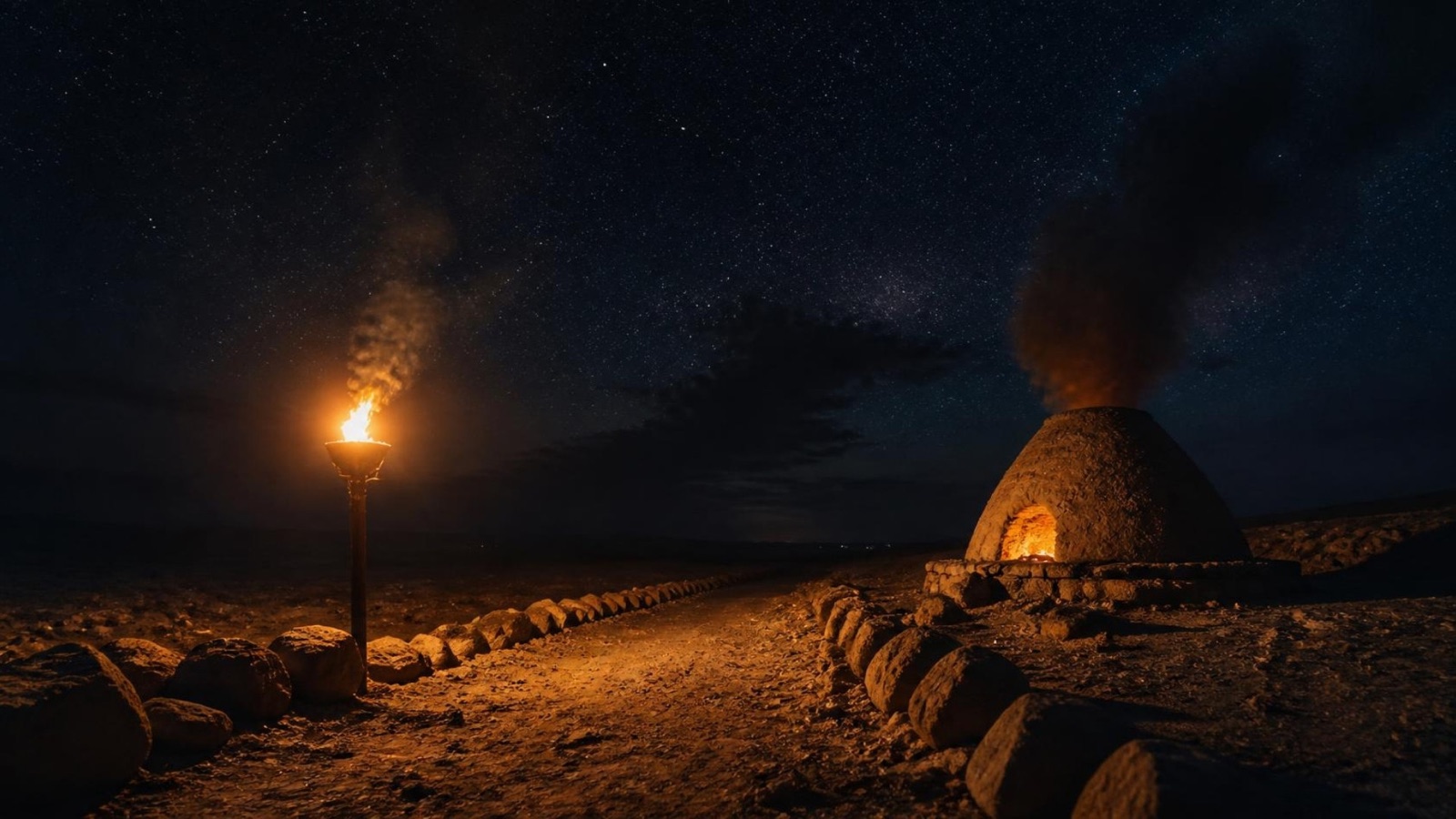
And it came to pass, when the sun had set and there was thick darkness, behold a smoking furnace and a torch of fire that passed between these pieces.
What Avraham saw
The Ramban explains the vision:
רָאָה כְּאִלּוּ תַּנּוּר עָשָׁן כֻּלּוֹ וּבְתוֹכוֹ לַפִּיד אֵשׁ בּוֹעֲרָה
He saw as if a furnace were all smoke, and inside it a torch of fire was burning.
It is like the great smoke and the flashing fire in the vision of Yechezkel (Ezekiel 1:4). The smoke is the cloud and the thick darkness at the giving of the Torah (Deuteronomy 4:11), and the torch inside it is the fire of which it says there, "you heard His words out of the midst of the fire" (Deuteronomy 4:36), and "the appearance of the glory of Hashem was like a consuming fire" (Exodus 24:17). Then the Ramban says what passed between the pieces:
וְהִנֵּה הַשְּׁכִינָה עָבְרָה בֵּין הַבְּתָרִים, וְהוּא הַבְּרִית אֲשֶׁר הָיְתָה אִתּוֹ מֵעוֹלָם
And so the Shechinah passed between the pieces, and that is the covenant that was with Him from of old.
That is the meaning of "Hashem made a covenant with Avram" (Genesis 15:18):
כִּי הקב"ה בְּעַצְמוֹ הֶעֱבִיר בְּרִית בֵּין הַבְּתָרִים
For the Holy One, blessed be He, Himself passed a covenant between the pieces.
"And the one with insight will understand," he ends.
Below the Atarah, and the torch
Rabbi Yitzchak of Acco explains the Ramban's words. This smoke is the cloud and the thick darkness that our fathers saw on Mount Sinai at the giving of the Torah, as it is written, "and Moshe drew near to the thick darkness" (Exodus 20:18). This cloud and darkness are below the Atarah. The torch alludes to the Atarah, and the Atarah is the glory of Tiferet. That is why the Ramban brought the verse "the appearance of the glory of Hashem was like a consuming fire": to prove that it is called fire, and to awaken the hearts of the wise.
Passing is cutting
The covenant, he says, alludes to the Atarah. "Hashem cut a covenant with Avram": Tiferet passed the Atarah, which is the covenant, between the pieces. And passing is a kind of cutting:
וְיִהְיֶה לְשׁוֹן הַעֲבָרָה לְשׁוֹן כְּרִיתָה שֶׁכֵּן הָעוֹבֵר תּוֹךְ דְּבָרִים הוּא כּוֹרֵת אוֹתָם
The vowels were added by the editor; they have not been checked and do not appear in the source. If you have a correction, we would be glad to receive it at join.mekobalim.org.
So "passing" is a term for cutting, for one who passes through the middle of things cuts them.
Perhaps Avraham's own Sinai
Then he adds a thought of his own:
וַאֲנִי אוֹמֵר בְּאוּלַי כִּי בְּשָׁעָה זוֹ זָכָה אַבְרָהָם ע"ה לָדַעַת מִצְוֹת חֻקֵּי הָאֱלֹהִים וְתוֹרֹתָיו, כְּמוֹ שֶׁזָּכוּ יִשְׂרָאֵל עַל הַר סִינַי בִּשְׁעַת מַתַּן תּוֹרָה
The vowels were added by the editor; they have not been checked and do not appear in the source. If you have a correction, we would be glad to receive it at join.mekobalim.org.
And I say, perhaps, that at this hour Avraham, peace be upon him, merited to know the commandments, the statutes of God and His teachings, as Israel merited on Mount Sinai at the giving of the Torah.
This fits the verse "and he kept My charge" (Genesis 26:5). If he did not receive it from the Shechinah, from whom did he receive it? And if not now, when? This receiving, he writes, is the holy spirit clothing itself in him, so that his kidneys would flow like a spring.
Rabbi Shepherd's commentary
Several aspects come together here to create the covenant between Hashem and Avraham, which later connects to all of Am Yisrael. The Ramban and the Meirat Einayim explain that the main aspect active in this process is the Atarah (crown), which is the Malchus (kingship), the Shechinah (the Divine Presence). But the Malchus, the Shechinah, reveals itself in different ways.
When it says that the torch of fire refers to the Shechinah, meaning that the Shechinah revealed itself as a torch of fire, it gives us a hint about which aspect of the Shechinah was revealed: the aspect of judgment. The Shechinah has different states, and the state of the Shechinah as judgment is one of the common ones. In fact every heavenly judgment upon a person or a nation is a certain revelation of the Shechinah in this world.
Just as the covenant of Brit Milah (circumcision) cuts through the flesh and removes the orlah, the negativity, in establishing the connection between Hashem and Avraham, and through Avraham with all of Am Yisrael, so too in this revelation, called the Brit Bein HaBetarim (the Covenant Between the Pieces), the fire of the Shechinah cuts through. The cutting here is to remove the negativity. There is a negative power surrounding the Atarah, and for the Atarah to be revealed that negative power must be cut off. That happens in this covenant, and it is also what happens in the Brit Milah.
The result of all this, as the Meirat Einayim concludes, is the divine inspiration that came to Avraham Avinu afterwards: his kidneys became like a spring of wisdom, which gave him the privilege to learn and to know all of the Torah.
Shabbat Shalom,
Rabbi Yaakov Avraham Shepherd
Yeshivat HaMekubalim Nefesh HaChaim
Support this project
Sponsorship is a gift to Yeshivat HaMekubalim Nefesh HaChaim, a registered amuta in Israel (no. 580628527).
Give now on jGive
You are receiving this because you joined the weekly Torah newsletter of Yeshivat HaMekubalim Nefesh HaChaim, a registered nonprofit yeshiva (registered association no. 580628527) in Jerusalem.
Support this project: /support#give-online
Join the newsletter list: https://join.mekobalim.org
Sources: verses and Rashi from Sefaria (Miqra according to the Masorah; Rashi, Rosenbaum and Silbermann edition). Ramban from Sefaria (Vocalized Edition). Meirat Einayim, Rabbi Yitzchak of Acco, main text only, checked against the printed scan; the Hebrew of the quotation on Genesis 12:7 is vocalized and its abbreviations written out by the editor. Rabbi Shepherd's commentary is edited from his recordings on Lech Lecha, 19 October 2026.