

King David Kabbalah
Go to the old websiteEspañolDonate
A single anointed stone pillar on a rocky hilltop in the Judean hills at night, an old olive tree beside it under the Milky Way
King David KabbalahRamban-Yad'a · Weekly Torahבְּסִיַּעְתָּא דִּשְׁמַיָּא
Friday, 20 November 2026The Torah portion of Vayeitzei

Vayeitzei5787

The House and the Gate

Cover: illustration, generated image
Ramban-Yad'a · Vayeitzei 5787

In these pages

The House and the Gate

What is new in these pages

Print version (PDF)

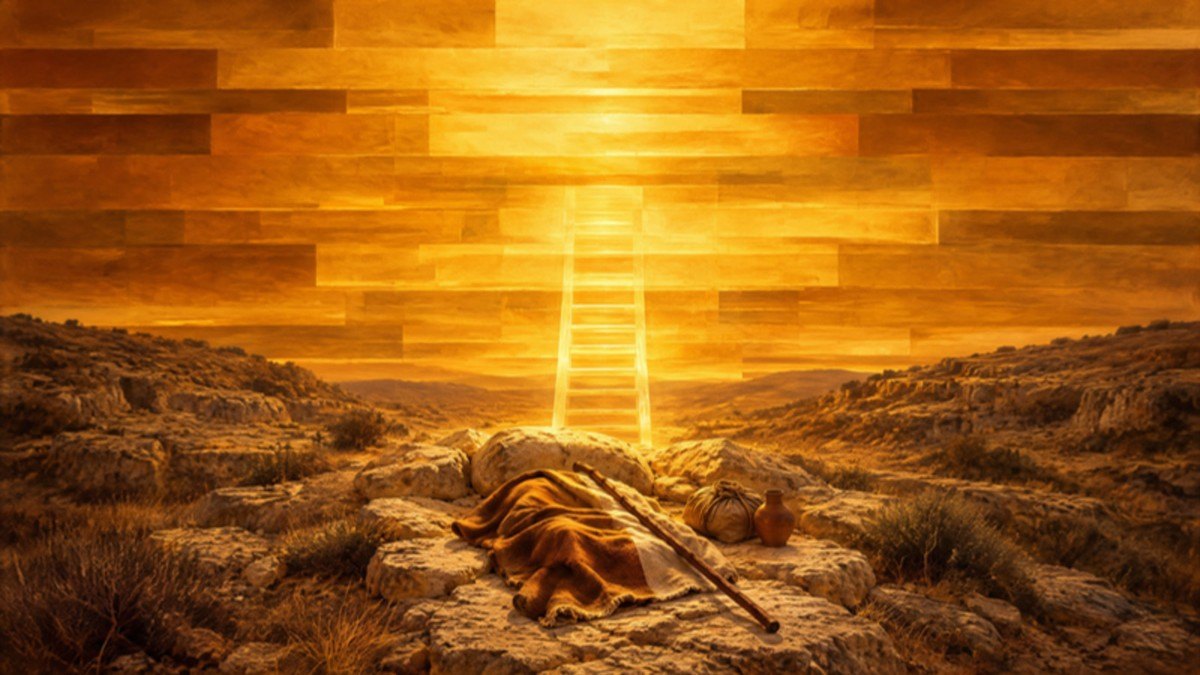
A ladder of golden light rising from the stones where a traveller's cloak, staff and bundle lie, into layered planes of golden light
01Part One · Genesis 28:12Angels Under the Decree
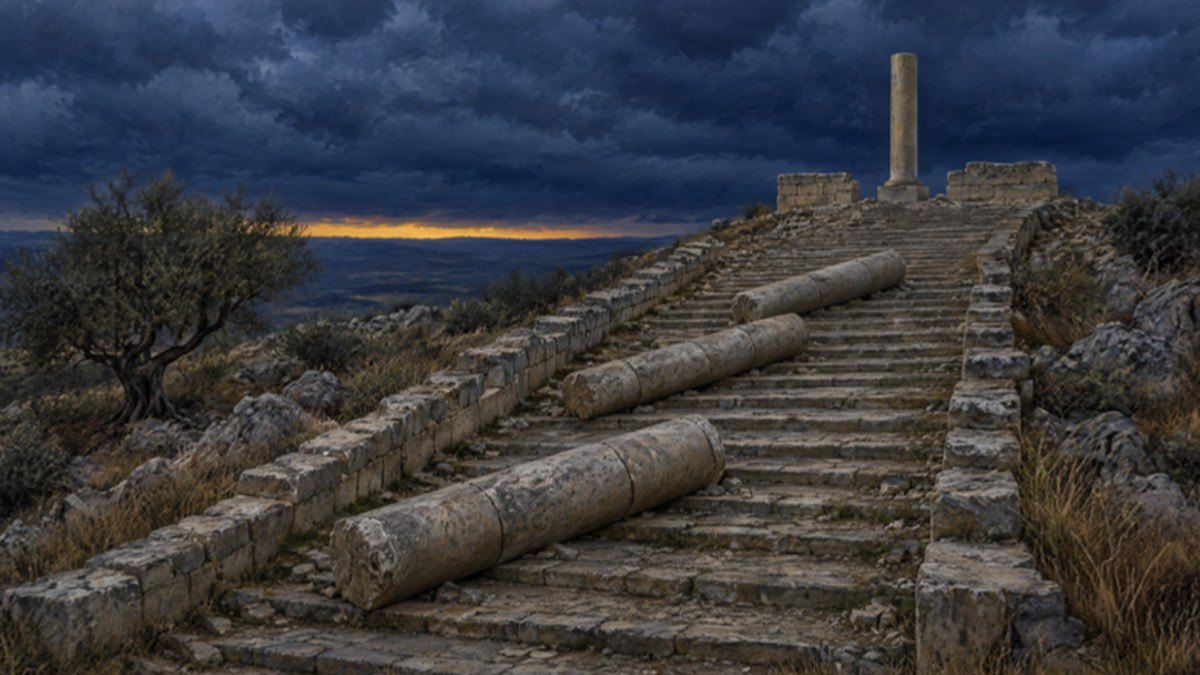
Ancient stone steps on a hillside under a storm sky, three fallen pillars lying across them and one pillar still standing at the top
02Part Two · Genesis 28:12Every Nation Has Its Time
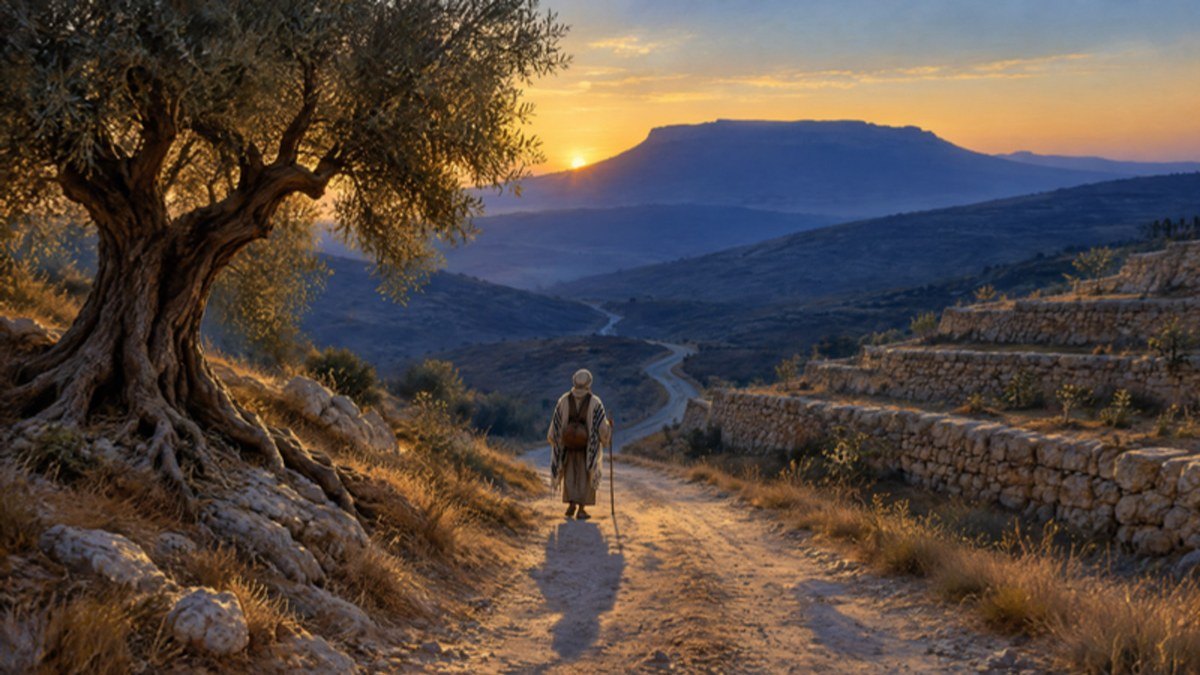
A lone traveller seen from behind on a dusty road through the Judean hills at first light, beside an old olive tree and stone terraces
03Part Three · Genesis 28:17First, Make Up Your Mind
An old parchment map by candlelight with a thin line of gold light running across its hills, a clay oil lamp and pomegranates on the table
04Part Four · Genesis 28:17Where Did the Earth Spring?
A great rough stone on a bare hilltop at night, oil glistening on its top beside a lit clay oil lamp under the Milky Way
05Part Five · Genesis 28:17The Foundation Stone
An arched gate in an ancient wall of Jerusalem stone at dawn, warm light in the gap of its doors and a thin column of smoke rising beyond
06Part Six · Genesis 28:17The House of Elokim and the Gate of Heaven
An anointed stone pillar on a hilltop at sunrise with a clay jug of oil at its foot, terraced hills of olive trees glowing below
07Part Seven · Genesis 28:21 to 22This Stone
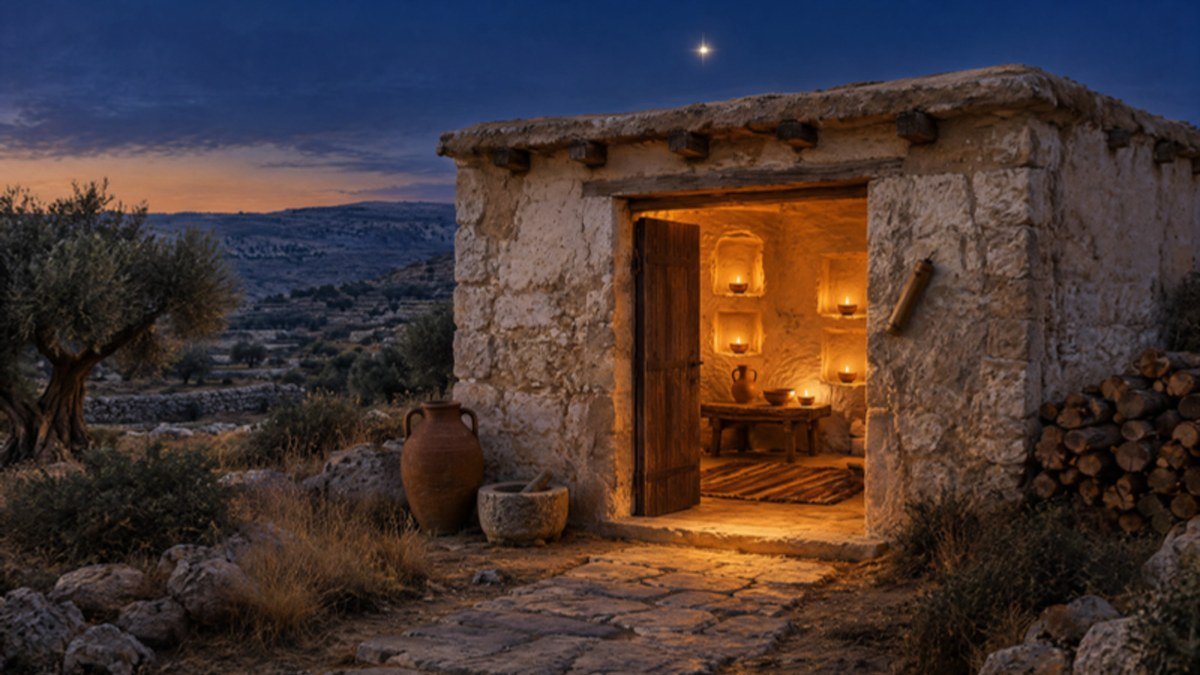
An old stone house in the Judean hills at dusk, its door open and many oil lamps lighting the room, the evening star above the roof
08Part Eight · Genesis 31:13I Am the El of Beit El
The panel · Vayeitzei 5787

Watch the panel

A ladder of golden light rising from the stones where a traveller's cloak, staff and bundle lie, into layered planes of golden light
Part One

Angels Under the Decree

Genesis 28:12
Illustration, generated image
The verse · Genesis 28:12
וַיַּחֲלֹם וְהִנֵּה סֻלָּם מֻצָּב אַרְצָה וְרֹאשׁוֹ מַגִּיעַ הַשָּׁמָיְמָה וְהִנֵּה מַלְאֲכֵי אֱלֹהִים עֹלִים וְיֹרְדִים בּוֹ׃
(Genesis 28:12)

And he dreamed, and behold, a ladder set up on the earth, and its top reached to heaven; and behold, angels of Elokim were ascending and descending on it.

Rashi

The plain meaning according to Rashi

Why do the angels ascend first and only then descend? Rashi answers:

מַלְאָכִים שֶׁלִּוּוּהוּ בָּאָרֶץ אֵין יוֹצְאִים חוּצָה לָאָרֶץ, וְעָלוּ לָרָקִיעַ וְיָרְדוּ מַלְאֲכֵי חוּצָה לָאָרֶץ לְלַוּוֹתוֹ
(Rashi on Genesis 28:12)

The angels who accompanied him in the Land did not go outside the Land; they went up to heaven, and the angels who served outside the Land came down to accompany him.

Every mission goes back to Hashem

According to this Ramban, an angel cannot rebel. Rabbi Shepherd draws this from the Ramban's reading of the dream: whatever happens on earth is done through the angels, by decree from above, and they do nothing, small or great, until they return and report to Hashem. Only after Hashem assigns the next mission can an angel go on its way.

Nothing small or great without Him

הֶרְאָהוּ בַּחֲלוֹם הַנְּבוּאָה כִּי כָל הַנַּעֲשֶׂה בָּאָרֶץ נַעֲשֶׂה עַל יְדֵי הַמַּלְאָכִים, וְהַכֹּל בִּגְזֵרַת עֶלְיוֹן עֲלֵיהֶם, כִּי מַלְאֲכֵי אֱלֹהִים אֲשֶׁר שָׁלַח ה׳ לְהִתְהַלֵּךְ בָּאָרֶץ לֹא יַעֲשׂוּ קְטַנָּה אוֹ גְּדוֹלָה עַד שׁוּבָם לְהִתְיַצֵּב עַל אֲדוֹן כָּל הָאָרֶץ לֵאמֹר לְפָנָיו, הִתְהַלַּכְנוּ בָּאָרֶץ וְהִנֵּה יוֹשֶׁבֶת בְּשַׁלְוָה אוֹ מְלֵאָה חֶרֶב וָדָם, וְהוּא יְצַוֶּה עֲלֵיהֶם לָשׁוּב לָרֶדֶת בָּאָרֶץ וְלַעֲשׂוֹת דְּבָרוֹ.
(Ramban on Genesis 28:12)

In a prophetic dream, He showed Yaakov that whatever is done on earth is effected by means of the angels, and everything is by decree given to them by the Supreme One. The angels of Elokim, whom Hashem hath sent to walk to and fro through the earth, would not do anything minor or major until they return to present themselves before the Master of the whole earth, saying before Him, "We have traversed the earth, and behold it dwells in peace, or is steeped in war and blood," and He commands them to return, to descend to the earth and fulfill His charge.

Yaakov is not in the hands of the angels

Then the Ramban reads the top of the ladder:

וְהֶרְאָהוּ כִּי הוּא יִתְבָּרַךְ נִצָּב עַל הַסֻּלָּם וּמַבְטִיחוֹ לְיַעֲקֹב בְּהַבְטָחָה גְּדוֹלָה לְהוֹדִיעַ שֶׁהוּא לֹא יִהְיֶה בְּיַד הַמַּלְאָכִים, אֲבָל יִהְיֶה חֵלֶק ה׳ וְיִהְיֶה עִמּוֹ תָּמִיד
(Ramban on Genesis 28:12)

And He further showed him that He, blessed be He, stands above the ladder, and promises Yaakov with supreme assurance to inform him that he will not be under the power of the angels, but he will be Hashem's portion, and that He will be with him always.

From Rabbi Shepherd's teaching

According to this Ramban, no angel can rebel

At the very beginning, the Ramban makes clear the spiritual mechanism the angels have to go through in their work, and it leaves them no possibility of rebelling against Hashem. We know that there is such a concept in the world: angels that rebel against Hashem. Yet according to this Ramban there is no such possibility. An angel has to report to Hashem, and only after Hashem assigns it the next mission can it go on its way and do what it needs to do.

Ancient stone steps on a hillside under a storm sky, three fallen pillars lying across them and one pillar still standing at the top
Part Two

Every Nation Has Its Time

Genesis 28:12
Illustration, generated image

Always under His supervision

A nation's rule is always under the supervision of Hashem. Rabbi Shepherd finds this one message in the visions of at least three who saw the ministers of the nations: Avraham, Yaakov and Daniel. And every nation, he says, has its time. The Ramban brings the opinion of Rabbi Eliezer the Great, who reads the angels of the dream as the princes of the four kingdoms, going up the ladder and coming down. The Meirat Einayim sets the Ramban's two readings side by side: in the first the angels are messengers on a mission, in the second they are princes over the nations.

Like the vision between the parts

וְעַל דַּעַת רַבִּי אֱלִיעֶזֶר הַגָּדוֹל (פִּרְקֵי דְּרַבִּי אֱלִיעֶזֶר 35) הָיְתָה זֹאת הַמַּרְאָה כְּעִנְיַן בֵּין הַבְּתָרִים לְאַבְרָם, כִּי הֶרְאָהוּ מֶמְשֶׁלֶת אַרְבַּע מַלְכֻיּוֹת וּמַעֲלָתָם וִירִידָתָם, וְזֶה טַעַם "מַלְאֲכֵי אֱלֹהִים", כְּמוֹ שֶׁנֶּאֱמַר בְּדָנִיֵּאל (דָּנִיֵּאל 10:20, 10:13) "שַׂר מַלְכוּת יָוָן" "וְשַׂר מַלְכוּת פָּרַס", וְהִבְטִיחוֹ כִּי הוּא יִתְעַלֶּה יִהְיֶה עִמּוֹ בְּכָל אֲשֶׁר יֵלֵךְ בֵּינֵיהֶם וְיִשְׁמְרֶנּוּ וְיַצִּילֶנּוּ מִיָּדָם.
(Ramban on Genesis 28:12)

And in the opinion of Rabbi Eliezer the Great this vision was akin to the one seen by Avraham at the time of the covenant "between the parts" for He also showed Yaakov the dominion of the Four Kingdoms, their ascent and descent. This is the meaning of angels of Elokim (mentioned here), just as it is said in the visions of Daniel: the prince of the kingdom of Greece, and the prince of the kingdom of Persia. And He promised him that He, exalted be He, will be with him wherever he will go among the nations, and He will guard him and rescue him from them.

Edom goes up and does not come down

The Ramban then brings the words of Pirkei d'Rabbi Eliezer:

הֶרְאָה לוֹ הַקָּדוֹשׁ בָּרוּךְ הוּא אַרְבַּע מַלְכֻיּוֹת מָשְׁלָן וְאָבְדָן, הֶרְאָהוּ שַׂר מַלְכוּת בָּבֶל עוֹלֶה שִׁבְעִים עֲוָקִים וְיוֹרֵד, וְהֶרְאָהוּ שַׂר מַלְכוּת מָדַי עוֹלֶה חֲמִשִּׁים וּשְׁנַיִם עֲוָקִים וְיוֹרֵד, וְהֶרְאָהוּ שַׂר מַלְכוּת יָוָן עוֹלֶה מֵאָה וּשְׁמוֹנִים עֲוָקִים וְיוֹרֵד, וְהֶרְאָהוּ שַׂר מַלְכוּת אֱדוֹם עוֹלֶה וְאֵינוֹ יוֹרֵד. אָמַר לוֹ יַעֲקֹב, "אַךְ אֶל שְׁאוֹל תּוּרָד" (יְשַׁעְיָהוּ 14:15), אָמַר לוֹ הַקָּדוֹשׁ בָּרוּךְ הוּא "אִם תַּגְבִּיהַּ כַּנֶּשֶׁר" וְגוֹמֵר (עֹבַדְיָה 1:4):
(Ramban on Genesis 28:12)

The Holy One, blessed be He, showed him the four kingdoms, their rule and their destruction. He showed him the prince of the kingdom of Babylon going up seventy rungs and coming down; He showed him the prince of the kingdom of Media going up fifty-two rungs and coming down; He showed him the prince of the kingdom of Greece going up one hundred and eighty rungs and coming down; and He showed him the prince of the kingdom of Edom going up and not coming down. Yaakov said to him [the prince of Edom], "Yet you shall be brought down to the netherworld" (Yeshayahu 14:15). The Holy One, blessed be He, said to him, "Though you soar as high as the eagle," and so on (Ovadiah 1:4).

Messengers or princes

The Meirat Einayim, the commentary of Rabbi Yitzchak of Acco on the Ramban, explains what separates the Ramban's first reading from the opinion of Rabbi Eliezer:

"עַל דַּעַת רַבִּי אֱלִיעֶזֶר וְכוּלֵּי" וְעַל דַּעַת הָרִאשׁוֹנָה שֶׁהִזְכִּיר הָרַב זִכְרוֹנוֹ לִבְרָכָה הַמַּלְאָכִים הַנִּזְכָּרִים אֵינָם הַמְמֻנִּים עַל מַלְכֵי הָאֲדָמָה אֶלָּא שְׁלוּחִים שֶׁהַקָּדוֹשׁ בָּרוּךְ הוּא שׁוֹלֵחַ בִּשְׁלִיחָתוֹ יִתְבָּרַךְ, וְעַל דַּעַת רַבִּי אֱלִיעֶזֶר הֵם שָׂרִים הַמְמֻנִּים עַל הָאֻמּוֹת.
(Meirat Einayim on Genesis 28:12)

The vowels were added by the editor; they do not appear in the printed source. If you have a correction, we would be glad to receive it at join.mekobalim.org.

"In the opinion of Rabbi Eliezer, etc.": according to the first opinion that the Ramban, of blessed memory, mentioned, the angels spoken of here are not those appointed over the kings of the earth, but messengers whom the Holy One, blessed be He, sends on His mission; and according to Rabbi Eliezer they are the princes appointed over the nations.

From Rabbi Shepherd's teaching

Which angels are they?

Rabbi Yitzchak of Acco makes clear that there seems to be an argument here about which angels these are. Are they the ministers of the nations, or messengers that Hashem sends on a certain mission? And if the two differ, we need to understand why, and what the application of the difference will be.

Three who saw the ministers

At least three people had this revelation of the ministers of the nations: first Avraham, then Yaakov, here in our parasha, and later Daniel. The message of all those visions is one. Even though we see a certain nation take control and rule the world, and sometimes oppress its own people or the Jewish people, whatever it is, it is always under the supervision of Hashem. Hashem will always help us and save us from any nation, any minister and, in today's world we can say, any conspiracy.

When the time comes

Every nation has its time to rule the world. Hashem gives each nation's minister the opportunity to raise his nation for some time. When the time comes, each of those nations has to step down, and a different nation, a different minister, rises. Sometimes we see the minister of one nation stay for a long time. Hashem says: no. When the time comes, I will bring him down.

From Rabbi Shepherd's previous classes (the Midrash of Rabbi Eliezer, as he told it in a class on the Recanati, the opening of Vayeitzei)

He did not see him coming down

When Yaakov saw the minister of Esav, which is Edom, the last exile, he did not see him coming down. He was afraid: what would become of the control of Edom? Then Hashem gave him a promise: I will bring him down. When the time comes, I will bring him down.

A lone traveller seen from behind on a dusty road through the Judean hills at first light, beside an old olive tree and stone terraces
Part Three

First, Make Up Your Mind

Genesis 28:17
Illustration, generated image
The verse · Genesis 28:17
וַיִּירָא וַיֹּאמַר מַה־נּוֹרָא הַמָּקוֹם הַזֶּה אֵין זֶה כִּי אִם־בֵּית אֱלֹהִים וְזֶה שַׁעַר הַשָּׁמָיִם׃
(Genesis 28:17)

And he was afraid, and said: How awesome is this place! This is none other than the house of Elokim, and this is the gate of heaven.

The earth sprang when he set his mind

The first step to bending physical space is for a man to make up his mind where he wants to be. To Rabbi Shepherd this seems a key factor here, one that both Rashi and the Ramban point out. In the Rashi that the Ramban quotes on the springing of the earth (kefitzat ha'aretz, a journey shortened by a miracle), Yaakov passed the place of the Beis Mikdash (the Temple) without praying there. Only in Haran, when he set his mind on going back, did the earth spring for him.

Mount Moriah came to Beit El

The Ramban quotes Rashi. Rashi asks how the Sages could call this place both Beit El and the place of the Beis Mikdash, and he answers:

אֲנִי אוֹמֵר שֶׁנֶּעֱקַר הַר הַמּוֹרִיָּה וּבָא לְכָאן, וְזוֹ הִיא קְפִיצַת הָאָרֶץ הָאֲמוּרָה בִּשְׁחִיטַת חֻלִּין (חֻלִּין 91), שֶׁבָּא בֵּית הַמִּקְדָּשׁ לִקְרָאתוֹ עַד בֵּית אֵל, וְזֶהוּ "וַיִּפְגַּע בַּמָּקוֹם".
(Ramban on Genesis 28:17, quoting Rashi)

I therefore say that Mount Moriah [the Temple site in Jerusalem] was forcibly removed from its place and came here to Luz, and this movement of the Temple site is 'the springing of the earth' which is mentioned in Tractate Shechitath Chullin. It means that the site on which the Sanctuary was later to stand came towards Yaakov to Beth-el. And this too is what is meant by vayiphga bamakom (and he met the place).

Why he was not stopped on the way

וְאִם תֹּאמַר כְּשֶׁעָבַר יַעֲקֹב אָבִינוּ עַל בֵּית הַמִּקְדָּשׁ מַדּוּעַ לֹא עִכְּבוּהוּ שָׁם, אִיהוּ לָא יְהַב דַּעְתֵּהּ לְהִתְפַּלֵּל בַּמָּקוֹם שֶׁהִתְפַּלְּלוּ אֲבוֹתָיו וּמִן הַשָּׁמַיִם יְעַכְּבוּהוּ, אִיהוּ עַד חָרָן אֲזַל כִּדְאָמְרִינַן בְּפֶרֶק גִּיד הַנָּשֶׁה (שָׁם), וּקְרָא מְסַיֵּעַ לָן, "וַיֵּלֶךְ חָרָנָה", כִּי מְטָא לְחָרָן אָמַר, אֶפְשָׁר עָבַרְתִּי עַל מָקוֹם שֶׁהִתְפַּלְּלוּ בּוֹ אֲבוֹתַי וְלֹא הִתְפַּלַּלְתִּי בּוֹ, יְהַב דַּעְתֵּיהּ לְמֶהֱדַר וְחָזַר עַד בֵּית אֵל, קָפְצָה לֵיהּ אַרְעָא עַד בֵּית אֵל.
(Ramban on Genesis 28:17, quoting Rashi)

If you should ask, 'When our father Yaakov passed the site of the Sanctuary [on his way from Beer-sheba to Haran] why did He not detain him there?' The answer is: If it never entered his mind to pray at the place where his fathers had prayed, should Heaven make him stop there? He had journeyed as far as Haran, as we say in the chapter of Gid Hanasheh, and Scripture itself helps us clarify this point by saying, And he went to Haran. When he arrived at Haran he said, 'Is it possible that I have passed the place where my fathers prayed without praying there myself?' He decided to return and had returned as far as Beth-el, whereupon the ground of the Temple site sprang for him until Beth-el.

From Rabbi Shepherd's teaching

What the springing of the earth is

According to the opinion of Rashi that the Ramban quotes here, it seems that they are arguing about the definition of the jumping of the land (kefitzat ha'aretz). According to Rashi, the jumping of the land is that the Beis Mikdash moved to Beit El. That is the meaning of "and he met the place" (vayifga bamakom).

Clarity of where he wants to be

We see from here that Yaakov needed to have in mind where he wanted to get to. What is his purpose? Why does he need to be there? He has to set his mind on it. That seems to be a key factor here, and both Rashi and the Ramban point it out to us: to create a reality like that, of bending physical space, the first step is for the man to make up his mind and have clarity about where he wants to be.

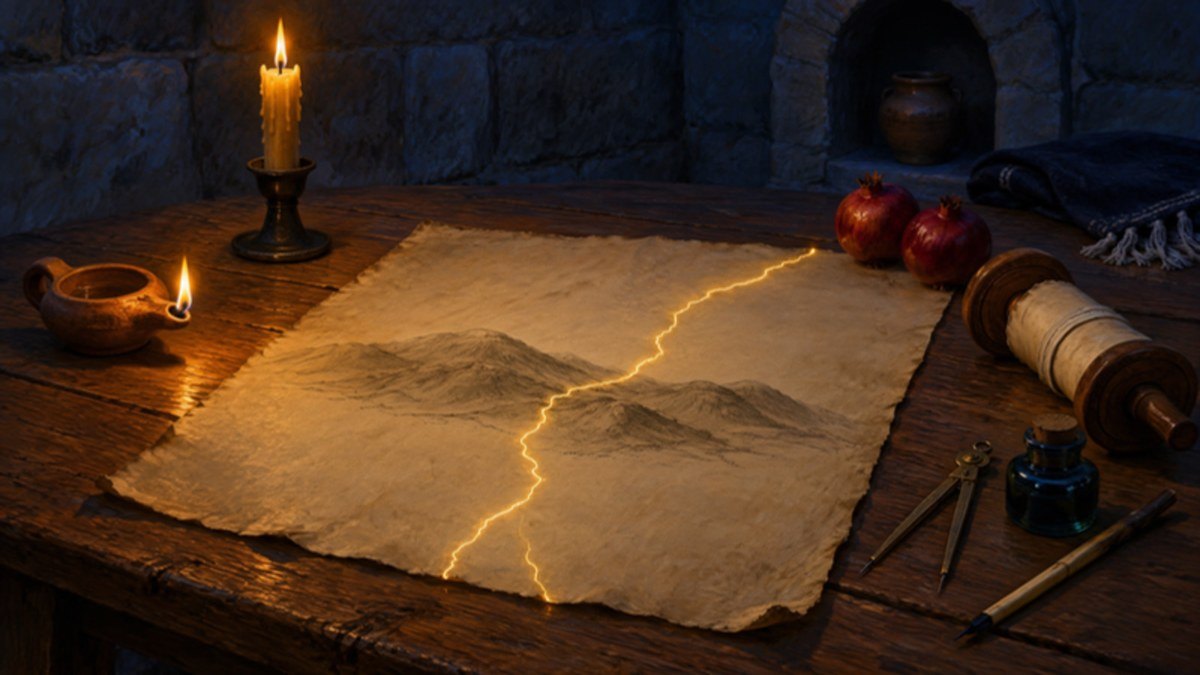
An old parchment map by candlelight with a thin line of gold light running across its hills, a clay oil lamp and pomegranates on the table
Part Four

Where Did the Earth Spring?

Genesis 28:17
Illustration, generated image

Like Eliezer, the same day

Where did the land jump to for Yaakov? That, Rabbi Shepherd says, is the point on which the Ramban argues with Rashi. For Rashi, Mount Moriah came to Yaakov at Beit El. For the Ramban, the earth sprang for Yaakov as it did for Eliezer: a journey of days made in a moment. In the opinion of Rabbi Yosei ben Zimra, as the Ramban explains it, Yaakov's journey to Haran was the same as Eliezer's. And the Ramban's conclusion, Rabbi Shepherd says, is that the earth sprang for Yaakov a few times.

The same springing as Eliezer's

וְלֹא נִרְאֶה לִי כְּלָל, שֶׁאֵין קְפִיצַת הָאָרֶץ שֶׁהִזְכִּירוּ בְּיַעֲקֹב אֶלָּא כְּאוֹתָהּ שֶׁאָמְרוּ בֶּאֱלִיעֶזֶר עֶבֶד אַבְרָהָם שֶׁבָּא בְּיוֹם אֶחָד לְחָרָן
(Ramban on Genesis 28:17)

But I do not agree with them at all for 'the springing of the earth' which the Rabbis mention in connection with Yaakov is like that which they have said happened to Eliezer, the servant of Avraham, namely, that he reached Haran in one day.

The Ramban brings the Gemara in Sanhedrin (95a) that the earth sprang for three people: Eliezer, Yaakov and Avishai son of Tzeruyah. Then the Ramban reads it:

הִנֵּה בְּפֵרוּשׁ אוֹמְרִים שֶׁכֵּיוָן שֶׁעָלָה בְּלִבּוֹ בְּחָרָן לַחְזֹר קָפְצָה לוֹ הָאָרֶץ וּפָגַע בַּמָּקוֹם שֶׁהִתְפַּלְּלוּ בּוֹ אֲבוֹתָיו, לֹא שֶׁחָזַר לְבֵית אֵל וְלֹא שֶׁקָּפַץ הַר הַמּוֹרִיָּה וּבָא לְשָׁם.
(Ramban on Genesis 28:17)

Thus the Rabbis explicitly say that as soon as the thought to return occurred to him in Haran, the earth sprang for him and he met the place where his fathers prayed, but not that he returned to Beth-el, nor that Mount Moriah sprang and came there to Beth-el.

What reason is there?

Differing with Rashi's reading, the Ramban asks:

וּמָה טַעַם שֶׁיִּקְפֹּץ הַר הַמּוֹרִיָּה וְיָבֹא עַד בֵּית אֵל אַחַר שֶׁטָּרַח יַעֲקֹב לַחֲזֹר מֵחָרָן וְעַד בֵּית אֵל מַהֲלַךְ כַּמָּה יָמִים, וְעוֹד כִּי בֵּית אֵל אֵינֶנּוּ סוֹף גְּבוּל אֶרֶץ יִשְׂרָאֵל מִפְּאַת חָרָן, כִּי חָרָן אֶרֶץ קֶדֶם הוּא
(Ramban on Genesis 28:17)

And furthermore, what reason is there for Mount Moriah to "spring" and come to Beth-el, as Rashi claims, after Yaakov had troubled himself to return from Haran to Beth-el, a journey of many days? Moreover, Beth-el does not lie on the border of the Land of Israel which faces towards Haran for Haran is a land which lies to the east.

The ladder in Beer-sheba

Then the Ramban explains the opinion of Rabbi Yosei ben Zimra in Bereishit Rabbah:

וּבַבֹּקֶר נָשָׂא יַעֲקֹב רַגְלָיו מִבְּאֵר שָׁבַע וַיֵּלֶךְ חָרָנָה בֶּן יוֹמוֹ, וְהִיא קְפִיצַת הַדֶּרֶךְ שֶׁלּוֹ, זֶהוּ דַּעַת רַבִּי יוֹסֵי בֶּן זִמְרָא שֶׁאָמַר בִּבְרֵאשִׁית רַבָּה (בְּרֵאשִׁית רַבָּה 69:7), הַסֻּלָּם הַזֶּה עוֹמֵד בִּבְאֵר שֶׁבַע וְשִׁפּוּעוֹ מַגִּיעַ עַד בֵּית הַמִּקְדָּשׁ
(Ramban on Genesis 28:17)

And in the morning Yaakov continued his journey from Beer-sheba and arrived at Haran on the same day, and this was "the springing of the earth" mentioned with respect to Yaakov. This is the opinion of Rabbi Yosei the son of Zimra who said in Bereishit Rabbah, "This ladder stood in Beer-sheba and its slope reached to the Sanctuary."

In this reading, the Ramban adds, Luz is Jerusalem, which Yaakov called Beit El. It is certainly not the Beit El near the Ai, which already had that name in the days of Avraham.

Every journey of his

וְהִנֵּה הַמִּדְרָשִׁים כֻּלָּם, אַף עַל פִּי שֶׁיֵּשׁ בֵּינֵיהֶם חִלּוּף בְּמִקְצָת, אֲבָל כֻּלָּם מוֹדִים שֶׁקְּפִיצַת הָאָרֶץ הָיְתָה לְיַעֲקֹב שֶׁהָלַךְ מַהֲלַךְ כַּמָּה יָמִים כְּהֶרֶף עַיִן. וְיִתָּכֵן שֶׁכֻּלָּם מוֹדִים זֶה לָזֶה, וּבְכָל הֲלִיכוֹתָיו קָפְצָה לוֹ, בְּלֶכְתּוֹ מִבְּאֵר שֶׁבַע לְחָרָן, וּבִרְצֹתוֹ לָשׁוּב לְהַר הַמּוֹרִיָּה, וּבְצֵאתוֹ מִשָּׁם לְחָרָן. וְאֵין אֶחָד מִכָּל הַמִּדְרָשִׁים שֶׁיֹּאמַר כְּדִבְרֵי רַבִּי שְׁלֹמֹה יִצְחָקִי:
(Ramban on Genesis 28:17)

Thus, all Midrashim, despite some minor differences among them, acknowledge that "the springing of the earth" occurred to Yaakov through which he travelled a journey of many days in the twinkling of an eye. It is possible that all Midrashim concede to one another, and that on all these journeys of his, when going from Beer-sheba to Haran, when he desired to return to Mount Moriah, and when he left there to go to Haran, the earth "sprang" for him. But there is not one of all these Midrashim which says, as Rashi said.

From Rabbi Shepherd's teaching

Where the land jumped to

The point on which the Ramban argues with Rashi is where the land jumped to for Yaakov. According to Rashi, he jumped back to Beit El. According to the Ramban, he jumped back to Har HaBayit, to Yerushalayim.

Nothing special in Beit El

The Ramban asks: what is the purpose of jumping to Beit El? It does not make sense. There was nothing special in Beit El at that point in time, and it is not in the middle of the way between Beer-sheba, where Yaakov was, and Haran.

The same journey as Eliezer

Here the Ramban gives a very interesting explanation of all that happened there. Yaakov left Beer-sheba and went to the place of the Beis Mikdash in Yerushalayim, and there he had the revelation of the angels. The Ramban explains further that there is a Beit El that refers to the Beis Mikdash, and there is the Beit El near the Ai, which is a different place. And the kefitzat haderech that took place for Yaakov was to Haran, not back from Haran to the Beis Mikdash. It was the same as for Eliezer, who was transported from Eretz Yisrael to Haran. The two made the same journey, and that fits the beginning, where we compare them.

A few times

The conclusion of the Ramban, then, is that Yaakov Avinu had kefitzat haderech a few times: going from Beer-sheba to Haran, when he wanted to go back to Moriah, Har HaBayit, and when he wanted to go again to Haran. All of that was kefitzat haderech, and none of it is as Rashi said.

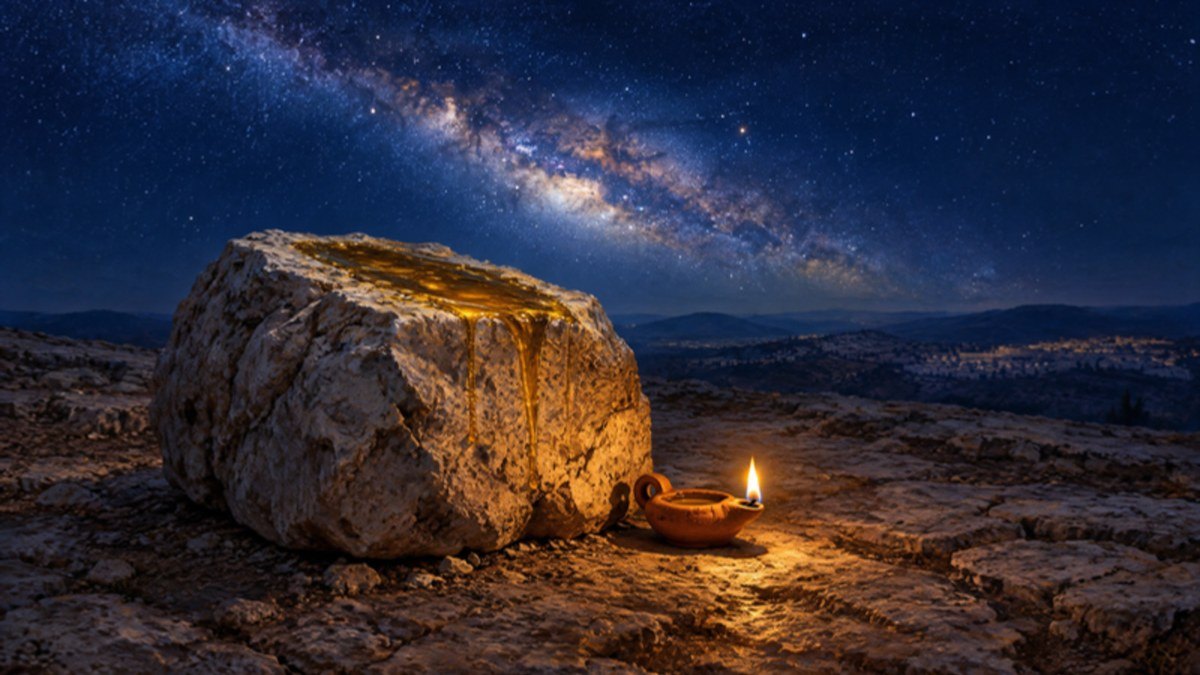
A great rough stone on a bare hilltop at night, oil glistening on its top beside a lit clay oil lamp under the Milky Way
Part Five

The Foundation Stone

Genesis 28:17
Illustration, generated image

The stone that joins the foundation

If the foundation stone (Even HaShetiyah) is the foundation stone of creation, how could creation go on until Yaakov Avinu, when only he made that stone? Rabbi Shepherd asks this about the Pirkei d'Rabbi Eliezer that the Ramban brings, where Hashem sinks the stone Yaakov anointed to the depths, and it is called the foundation stone, on which the house of Hashem stands. His answer: the foundation stone is a concept that runs through the whole Torah. It is connected with the Malchus (kingship, the last of the ten sefiros), the foundation of creation, and the stone Yaakov anointed joins it.

Twelve stones, one nation

In the Pirkei d'Rabbi Eliezer that the Ramban quotes, Yaakov took twelve stones from the altar on which his father Yitzchak had been bound and put them under his head. This was to show him that twelve tribes would come from him:

וְנַעֲשׂוּ כֻּלָּן אֶבֶן אַחַת לְהוֹדִיעוֹ שֶׁכֻּלָּן עֲתִידִים לִהְיוֹת גּוֹי אֶחָד בָּאָרֶץ, שֶׁנֶּאֱמַר (שְׁמוּאֵל שֵׁנִי 7:23) "וּמִי כְּעַמְּךָ יִשְׂרָאֵל גּוֹי אֶחָד".
(Ramban on Genesis 28:17, quoting Pirkei d'Rabbi Eliezer)

But then all twelve stones were transformed into one stone to inform him that all twelve tribes were destined to become one nation in the earth, as it is said, And who is like Thy people, like Israel, a nation one in the earth?

The navel of the earth

וְשָׁב יַעֲקֹב לְלַקֵּט הָאֲבָנִים וּמָצָא אוֹתָן כֻּלָּן אֶבֶן אַחַת, וְשָׂם אוֹתָהּ מַצֵּבָה בְּתוֹךְ הַמָּקוֹם, וְיָרַד לוֹ שֶׁמֶן מִן הַשָּׁמַיִם וְיָצַק עָלֶיהָ, שֶׁנֶּאֱמַר "וַיִּצֹק שֶׁמֶן עַל רֹאשָׁהּ". מָה עָשָׂה הַקָּדוֹשׁ בָּרוּךְ הוּא, נָטַל רֶגֶל יְמִינוֹ וְטִבַּע אֶת הָאֶבֶן עַד עִמְקֵי תְּהוֹמוֹת, וְעָשָׂה אוֹתָהּ סְנִיף לָאָרֶץ כְּאָדָם שֶׁהוּא נוֹתֵן סְנִיף לְכִפָּה, לְפִיכָךְ נִקְרֵאת אֶבֶן שְׁתִיָּה, שֶׁשָּׁם הוּא טַבּוּר הָאָרֶץ וּמִשָּׁם נִפְתְּחָה הָאָרֶץ וְעָלֶיהָ הֵיכַל ה׳ עוֹמֵד, שֶׁנֶּאֱמַר "וְהָאֶבֶן הַזֹּאת אֲשֶׁר שַׂמְתִּי מַצֵּבָה יִהְיֶה בֵּית אֱלֹהִים".
(Ramban on Genesis 28:17, quoting Pirkei d'Rabbi Eliezer)

Yaakov then wanted to collect the stones [which he had used as a resting-place for his head in order to build an altar], but he found them all to be one stone, and so he set it up as a pillar in that place. Thereupon oil flowed down for him from heaven, and he poured it on top of the stone, as it is said, And he poured oil upon the top of it. What did the Holy One, blessed be He, do? With His right foot He sank the anointed stone unto the depths of the abyss to serve as the key-stone of the earth, just as one inserts a key-stone in an arch. It is for this reason that it is called Even Hashethiyah (The Foundation Stone), for there is the center of the earth, and from there the earth unfolded, and upon it stands the Temple of Hashem, as it is said, And this stone, which I have set up for a pillar, shall be Elokim's house.

From Rabbi Shepherd's teaching

A concept that runs through the whole Torah

This is a very interesting point. It says that the Even HaShetiyah is the foundation stone of creation. How can it be, then, that creation was created and went on until Yaakov Avinu, and only he made that stone? The answer is that the Even HaShetiyah is a concept that runs through the whole Torah. It is connected with the Malchus, which is the foundation of creation. And the stone on which Yaakov Avinu poured the oil connects to and joins the foundation stone, the Malchus.

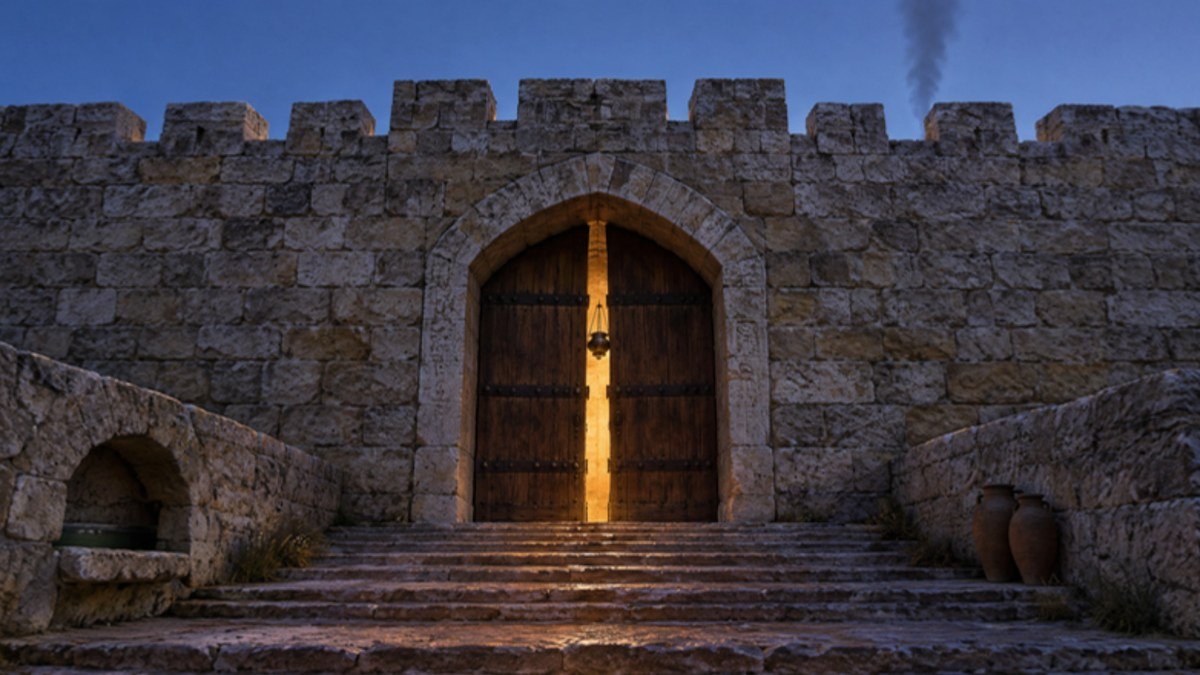
An arched gate in an ancient wall of Jerusalem stone at dawn, warm light in the gap of its doors and a thin column of smoke rising beyond
Part Six

The House of Elokim and the Gate of Heaven

Genesis 28:17
Illustration, generated image

The gate that leads up

The house of Elokim is connected with the Atarah (the crown, another name for the Malchus, kingship), and that is the gate. So Rabbi Shepherd reads the Ramban and the Meirat Einayim together. For the Ramban, Yaakov's words describe the Beis Mikdash (the Temple), the gate through which prayers and offerings go up to heaven. For the Meirat Einayim, the house is the Atarah, and it is the gate of the Tiferet (beauty, the attribute of Yaakov).

Where prayers go up

כִּי אִם בֵּית אֱלֹהִים וְזֶה שַׁעַר הַשָּׁמָיִם הוּא בֵּית הַמִּקְדָּשׁ שֶׁהוּא שַׁעַר לַעֲלוֹת מִשָּׁם הַתְּפִלּוֹת וְהַקָּרְבָּנוֹת לַשָּׁמַיִם.
(Ramban on Genesis 28:17)

THIS IS NONE OTHER THAN THE HOUSE OF ELOKIM, AND THIS IS THE GATE OF HEAVEN. This refers to the Sanctuary which is the gate through which the prayers and sacrifices ascend to heaven.

And in the words of the Pirkei d'Rabbi Eliezer that the Ramban brings:

מִכָּאן אַתָּה לָמֵד שֶׁכָּל הַמִּתְפַּלֵּל בִּירוּשָׁלִַם כְּאִלּוּ מִתְפַּלֵּל לִפְנֵי כִּסֵּא הַכָּבוֹד, שֶׁשַּׁעַר שָׁמַיִם הוּא פָּתוּחַ לִשְׁמֹעַ תְּפִלָּתָן שֶׁל יִשְׂרָאֵל, שֶׁנֶּאֱמַר "וְזֶה שַׁעַר הַשָּׁמַיִם".
(Ramban on Genesis 28:17, quoting Pirkei d'Rabbi Eliezer)

From here you learn that whosoever prays in Jerusalem is considered as if he prayed before the Throne of Glory, for the gate of heaven is open there to receive the prayer of Israel, as it is said, And this is the gate of heaven.

The gate of the Tiferet

"כִּי אִם [בֵּית] אֱלֹהִים" רוֹמֵז לָעֲטָרָה שֶׁהִיא בַּיִת וְהוּא אֱלֹהִים, וְהוּא "שַׁעַר" שֶׁל תִּפְאֶרֶת, וְזֶהוּ שֶׁכָּתוּב פִּתְחוּ לִי שַׁעֲרֵי צֶדֶק אָבֹא בָם אוֹדֶה יָהּ, אִם כֵּן כֵּיוָן שֶׁהָעֲטָרָה שַׁעַר הַתְּפִלָּה רוֹמֵז לַכֶּתֶר וְלַחָכְמָה, וְהַהוֹדָאָה הוּא לְהַמְשִׁיךְ הָרָצוֹן מִשָּׁם אֶל הָעֲטָרָה עָלֵינוּ שֶׁהוּא סוֹד קָרְבַּן תּוֹדָה, לַשָּׁמַיִם הַתִּפְאֶרֶת, מַה שֶּׁאָמַר הָרַב זִכְרוֹנוֹ לִבְרָכָה "וְהַקָּרְבָּנוֹת לַשָּׁמַיִם" רוֹמֵז מַה שֶּׁאָמְרוּ חֲכָמֵינוּ זִכְרוֹנָם לִבְרָכָה רֵיקָן כָּל הָעֲבוֹדוֹת לַשֵּׁם הַמְיֻחָד.
(Meirat Einayim on Genesis 28:17)

The vowels were added by the editor; they do not appear in the printed source. If you have a correction, we would be glad to receive it at join.mekobalim.org.

"But the house of Elokim": this alludes to the Atarah, which is a house and is Elokim, and it is the "gate" of the Tiferet. This is what is written, "Open for me the gates of righteousness (Tzedek); I will enter them and give thanks to Yah" (Tehillim 118:19). So, since the Atarah is the gate of prayer, [Yah] alludes to the Keter and the Chochmah, and the thanksgiving is to draw the Will from there down to the Atarah, upon us; this is the secret of the thanksgiving offering. "To the heavens" is the Tiferet: what the Ramban, of blessed memory, said, "and the offerings to the heavens," alludes to what our Sages, of blessed memory, said [רֵיקָן, a word of the print whose reading is unclear]: all the services are to the Unique Name.

From Rabbi Shepherd's teaching

Where our offerings go up

The house of Elokim (Beit Elokim) is connected with the Atarah, which is the Malchus, and that is the gate. The gate leads to the Tiferet, which is the masculine aspect, and that is the place where we need to elevate our offerings. In other words, we come to the Beis Mikdash, which is the gate to the heavens (Shamayim). That is where we bring the offerings, and they need to reach the heavens.

From Rabbi Shepherd's previous classes (explaining the Recanati in a class on the Recanati, the opening of Vayeitzei)

The palace and the gate

The Recanati tells us that the ladder is the way for Yaakov to ascend to the yard of the King. It is like a person who knows the kingdom of Hashem and does not know how to enter. You see the palace, but you don't know where the gate is. That was the meaning of the dream: by that ladder, Hashem showed him the way to go in. And that is what David the King was asking, that Hashem show him the way to connect, the gate to go in.

The gates of the Kingdom

That gate is Har HaBayit. That is why Yaakov says: I see that this is the house of Elokim and the gate of the heavens. And he [David] says: open to me the gates of justice [Tzedek]. What are the gates of justice? We know that justice also refers to the Kingdom of Hashem. So the gates of justice are the gates of the Kingdom of Hashem, the way to come into the Kingdom of Hashem.

From Rabbi Shepherd's previous classes (explaining the Recanati in a class on Recanati page 194, on 28:16 to 17)

The heavenly map

The Sages learn from this that the earthly Beis Mikdash corresponds to the heavenly Beis Mikdash. There is a certain system: a heavenly map that corresponds to the earthly map, and every part of the earthly map receives the abundance from the heavenly land that corresponds to it.

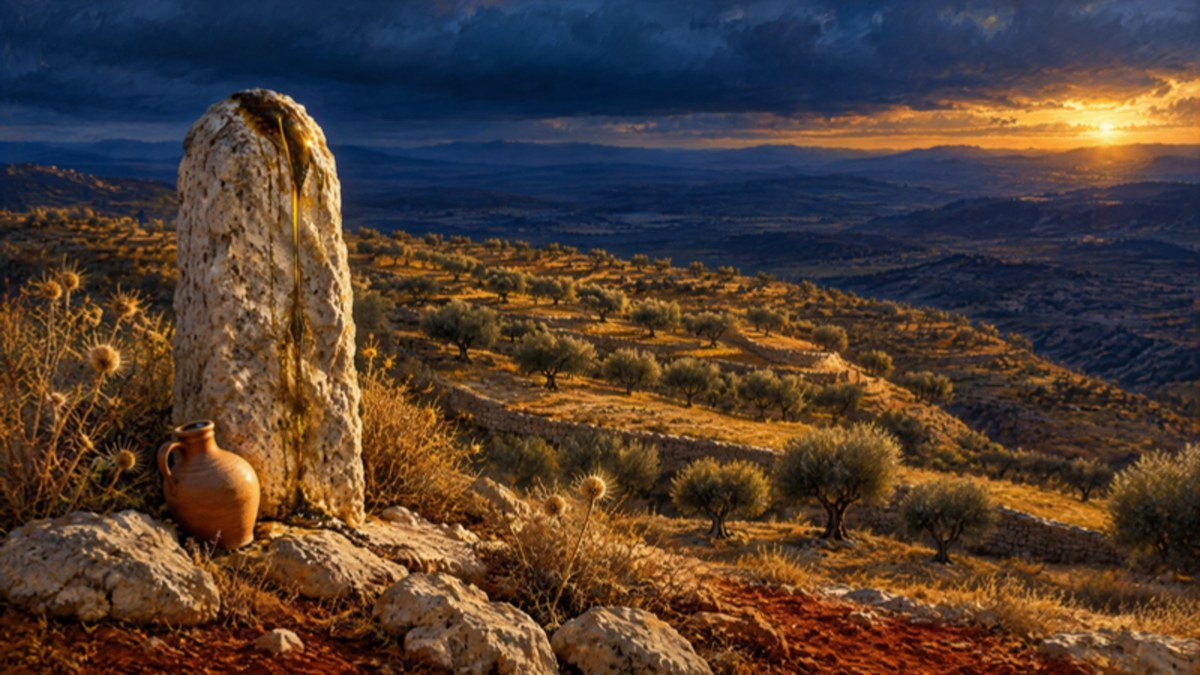
An anointed stone pillar on a hilltop at sunrise with a clay jug of oil at its foot, terraced hills of olive trees glowing below
Part Seven

This Stone

Genesis 28:21 to 22
Illustration, generated image
The verse · Genesis 28:21 to 22
וְשַׁבְתִּי בְשָׁלוֹם אֶל־בֵּית אָבִי וְהָיָה ה׳ לִי לֵאלֹהִים׃
וְהָאֶבֶן הַזֹּאת אֲשֶׁר־שַׂמְתִּי מַצֵּבָה יִהְיֶה בֵּית אֱלֹהִים וְכֹל אֲשֶׁר תִּתֶּן־לִי עַשֵּׂר אֲעַשְּׂרֶנּוּ לָךְ׃
(Genesis 28:21 to 22)

And I return in peace to my father's house, and Hashem will be my Elokim. And this stone, which I have set up as a pillar, shall be the house of Elokim; and of all that You give me, I will surely give a tenth to You.

Rashi

The plain meaning according to Rashi

כָּךְ תְּפָרֵשׁ וָיו זוֹ שֶׁל וְהָאֶבֶן: אִם תַּעֲשֶׂה לִי אֶת אֵלֶּה, אֲנִי אֶעֱשֶׂה זֹאת:
(Rashi on Genesis 28:22)

This is how you should explain the vav of "and this stone": if You will do these things for me, I will do this.

A special privilege of the Land

Those who live in Eretz Yisrael have easier access to the Shechinah (the Divine Presence). Rabbi Shepherd calls it a special privilege. The word "this" (zot) in Yaakov's vow, he explains, refers to the Malchus (kingship, the last of the ten sefiros). The Ramban reads the verse as a vow to serve Hashem in the chosen Land, at this stone, and he hints at a secret in the saying of the Sages: whoever lives outside the Land is like one who has no Elokim. The Meirat Einayim says what the hint is.

Not a condition but a vow

וְהָיָה ה׳ לִי לֵאלֹהִים אֵינֶנּוּ תְּנַאי כְּדִבְרֵי רַבִּי שְׁלֹמֹה יִצְחָקִי (עַל בְּרֵאשִׁית 28:21), אֲבָל הוּא נֶדֶר, וְעִנְיָנוֹ אִם אָשׁוּב אֶל בֵּית אָבִי אֶעֱבֹד הַשֵּׁם הַמְיֻחָד בָּאָרֶץ הַנִּבְחֶרֶת בִּמְקוֹם הָאֶבֶן הַזֹּאת שֶׁתִּהְיֶה לִי לְבֵית אֱלֹהִים, וְשָׁם אוֹצִיא אֶת הַמַּעֲשֵׂר. וְיֵשׁ בָּעִנְיָן סוֹד מִמָּה שֶׁאָמְרוּ (כְּתֻבּוֹת 110), כָּל הַדָּר בְּחוּצָה לָאָרֶץ דּוֹמֶה כְּמִי שֶׁאֵין לוֹ אֱלוֹהַּ:
(Ramban on Genesis 28:21)

THEN THE ETERNAL SHALL BE MY ELOKIM. This is not a condition, as Rashi would have it. It is rather a vow, and its purport is as follows: "If I will return to my father's house, I will worship the proper Name of Hashem in the Chosen Land at the location of this stone which will be for me a house of Elokim, and there I will set aside the tithe." There is in this matter a secret relating to that which the Rabbis have said: "He who dwells outside the Land of Israel is like one who has no Elokim."

The stone of seven eyes

"אֶעֱבֹד אֶת הַשֵּׁם הַמְיֻחָד" לְתִפְאֶרֶת "בָּאָרֶץ הַנִּבְחֶרֶת" מַמָּשׁ, אִי נָמֵי אֶרֶץ הַחַיִּים. "הָאֶבֶן הַזֹּאת" מִשָּׁם רֹעֶה אֶבֶן יִשְׂרָאֵל, עַל אֶבֶן אַחַת שִׁבְעָה עֵינָיִם, הִיא בַּת שֶׁבַע כְּלוּלָה מִכֻּלָּם. "וְשָׁם אוֹצִיא אֶת הַמַּעֲשֵׂר" כִּי הַמַּעֲשֵׂר רוֹמֵז לָעֲטָרָה, אַף עַל פִּי שֶׁאוּלַי אֵין דַּעַת הָרַב לוֹמַר לִרְמֹז בָּעֶלְיוֹנִים כְּמָה שֶׁרָמַזְתִּי אַף עַל פִּי [כֵן] הַכֹּל אֱמֶת.
(Meirat Einayim on Genesis 28:21)

The vowels were added by the editor; they do not appear in the printed source. If you have a correction, we would be glad to receive it at join.mekobalim.org.

"I will serve the Unique Name": the Tiferet. "In the chosen land": literally, or alternatively the Land of Life. "This stone": as in "from there, the shepherd, the stone of Israel" (Genesis 49:24), and "upon one stone are seven eyes" (Zecharyah 3:9); it is Bat Sheva (the daughter of seven), comprised of them all. "And there I will set aside the tithe": for the tithe (ma'aser, the tenth) alludes to the Atarah. Although perhaps the Ramban did not mean to allude to the upper levels as I have alluded, nevertheless it is all true.

Under the shade of Shaddai

"וְיֵשׁ בָּעִנְיָן סוֹד" הָרַב רוֹמֵז מַה שֶּׁכָּתַבְתִּי וְהַכַּוָּנָה לִרְמֹז עַל הָעֲטָרָה שֶׁהָיְתָה כַּוָּנַת יַעֲקֹב עָלָיו הַשָּׁלוֹם בָּהּ בְּאָמְרוֹ הָאֶבֶן הַזֹּאת, וְהַדָּרִים בְּאֶרֶץ יִשְׂרָאֵל דָּרִים וְחָסִים בְּצֵל שַׁדַּי, שֶׁהוּא בְּחִינָתֵנוּ וֵאלֹהֵינוּ אֱלֹהֵי יִשְׂרָאֵל יְרוּשָׁלַםִ "וְהַדָּרִים בְּחוּצָה לָאָרֶץ" יוֹשְׁבִים תַּחַת מֶמְשֶׁלֶת אֱלֹהֵי עַמֵּי הָאָרֶץ שֶׁהֵם הַשָּׂרִים הַמְקַבְּלִים כֹּחַ מֵאֱלֹהֵינוּ יִתְבָּרַךְ.
(Meirat Einayim on Genesis 28:21)

The vowels were added by the editor; they do not appear in the printed source. If you have a correction, we would be glad to receive it at join.mekobalim.org.

"And there is a secret in the matter": the Ramban alludes to what I have written, and the intent is to allude to the Atarah, for Yaakov, peace be upon him, intended it when he said "this (zot) stone." Those who dwell in the Land of Israel dwell and take shelter in the shade of Shaddai, which is our aspect [the print has a short form, read here as בְּחִינָתֵנוּ, uncertain], and our Elokim, the Elokim of Israel, Jerusalem; "and those who dwell outside the Land" sit under the dominion of the gods of the peoples of the land, who are the princes that receive power from our Elokim, blessed be He.

From Rabbi Shepherd's teaching

The stone of the Malchus

Here too the Meirat Einayim speaks about the special connection between Yaakov Avinu and the Malchus. The Malchus is the sefirah that Eretz Yisrael is connected with. And this is the stone that has the seven eyes. It is also called Bat Sheva, the daughter of seven: the feminine aspect that includes the seven within it.

Easier access in the Land

Whenever we see the word "this" (zot) in the Torah, it is one of the buzzwords that refer to the Malchus. Here too, "this stone" (ha'even hazot) refers to the Malchus, with which Yaakov Avinu connected, a certain level of the Shechinah. That is a special privilege for those who live in Eretz Yisrael: an easier connection, easier access to the Malchus, to the Shechinah. Those who live outside the Land (Chutz LaAretz), according to the Meirat Einayim here, are under the ministers, and those ministers receive their strength from our Elokim in Eretz Yisrael, from Eretz Yisrael.

From Rabbi Shepherd's previous classes (a class on the Recanati, the opening of Vayeitzei, on the Zohar the Recanati brings on 28:13)

The Land of Life

It teaches us that all of Eretz Yisrael was folded under him. How is it possible that this big land of Eretz Yisrael is folded and is under Yaakov? There is a divine holy land in the heavens that is also called Eretz Yisrael, and it is under Yaakov, who stands on top of it. When we speak about the heavenly Eretz Yisrael, we are speaking about the Malchus, and Yaakov, who represents the Tiferet, is above the Malchus. Hashem gave the inheritance of Eretz Yisrael because He loved us so much. He wants to dwell with us, to speak with us, to protect us from everybody, meaning all the nations. That is called the Land of Life. And it explains that the inheritance of Eretz Yisrael to Am Yisrael is the expression of the love of Hashem for us: He gave us the Malchus to lead us, to protect us. That is the concept of the Land of Life (Eretz HaChayim).

An old stone house in the Judean hills at dusk, its door open and many oil lamps lighting the room, the evening star above the roof
Part Eight

I Am the El of Beit El

Genesis 31:13
Illustration, generated image
The verse · Genesis 31:13
אָנֹכִי הָאֵל בֵּית־אֵל אֲשֶׁר מָשַׁחְתָּ שָּׁם מַצֵּבָה אֲשֶׁר נָדַרְתָּ לִּי שָׁם נֶדֶר עַתָּה קוּם צֵא מִן־הָאָרֶץ הַזֹּאת וְשׁוּב אֶל־אֶרֶץ מוֹלַדְתֶּךָ׃
(Genesis 31:13)

I am the El of Beit El, where you anointed a pillar, where you made a vow to Me. Now arise, go out from this land, and return to the land of your birth.

Rashi

The plain meaning according to Rashi

אֲשֶׁר נָדַרְתָּ לִּי. וְצָרִיךְ אַתָּה לְשַׁלְּמוֹ, שֶׁאָמַרְתָּ יִהְיֶה בֵּית אֱלֹהִים, שֶׁתַּקְרִיב שָׁם קָרְבָּנוֹת:
(Rashi on Genesis 31:13)

"Where you vowed to Me": and you must fulfill it, for you said "it shall be the house of Elokim," meaning that you would bring offerings there.

The house of all the upper blessings

Why is the Shechinah (the Divine Presence) called a house? Because, Rabbi Shepherd explains after the Meirat Einayim, it is the entrance of all the upper blessings: all the abundance of the upper sefiros goes through the Malchus. In the verse, the angel who called Yaakov home from Lavan's house said, "I am the El of Beit El." For the Meirat Einayim the speaker is the Atarah (the crown, the Malchus), "an angel that is Elokim," and the Atarah is the Shechinah. On the name Elokim, Rabbi Shepherd adds that anyone who has authority can be called elohim.

By way of truth

וְעַל דֶּרֶךְ הָאֱמֶת יֹאמַר הַמַּלְאָךְ הַזֶּה "אָנֹכִי הָאֵל בֵּית אֵל", וְכֵן "וַיִּקְרָא לַמָּקוֹם אֵל בֵּית אֵל" (בְּרֵאשִׁית 35:7), כְּמוֹ שֶׁאָמַר "צִיּוֹן קְדוֹשׁ יִשְׂרָאֵל" (יְשַׁעְיָהוּ 60:14). וְיוֹנָתָן בֶּן עֻזִּיאֵל אָמַר (יְשַׁעְיָהוּ 6:3) "קַדִּישׁ בִּשְׁמֵי מְרוֹמָא עִלָּאָה בֵּית שְׁכִינְתֵּהּ", וְהוּא הַמַּלְאָךְ הַגּוֹאֵל (בְּרֵאשִׁית 48:16), וְכֵן "בְּכָל בֵּיתִי נֶאֱמָן הוּא" (בַּמִּדְבָּר 12:7), וְהַמַּשְׂכִּיל יָבִין:
(Ramban on Genesis 31:13)

By way of truth, this angel says "I am the El of Beit El," and so too "and he called the place El Beit El" (Genesis 35:7), as it says "Zion of the Holy One of Israel" (Yeshayahu 60:14). And Yonatan ben Uzziel rendered "holy in the highest heavens above, the house of His Shechinah" (Yeshayahu 6:3); and this is "the redeeming angel" (Genesis 48:16), and so too "in all My house he is trusted" (Numbers 12:7). The one who understands will understand.

An angel that is Elokim

"אָנֹכִי הָאֵל בֵּית אֵל" הָעֲטָרָה אוֹמֶרֶת כֵּן וּקְרָאָהּ הָרַב מַלְאָךְ כִּי הוּא "מַלְאַךְ הָאֱלֹהִים" מַלְאָךְ שֶׁהוּא אֱלֹהִים, וְכֵן הִנֵּה הוּא אֵל וְהוּא בֵּית אֵל הוּא הַשְּׁכִינָה שֶׁתִּרְגֵּם יוֹנָתָן בָּעֲטָרָה "וְהוּא הַמַּלְאָךְ הַגּוֹאֵל" "בְּכָל בֵּיתִי" שְׁכִינָתִי,
(Meirat Einayim on Genesis 31:13)

The vowels were added by the editor; they do not appear in the printed source. If you have a correction, we would be glad to receive it at join.mekobalim.org.

"I am the El of Beit El": the Atarah says this, and the Ramban called it an angel, for it is "the angel of Elokim," an angel that is Elokim. So too it is El and it is Beit El. It is the Shechinah, as Yonatan rendered, [referring] to the Atarah: "and it is the redeeming angel"; "in all My house" [he renders] "My Shechinah."

The house where the blessings enter

כִּי מִפְּנֵי שֶׁהִיא בֵּית כְּנִיסַת כָּל הַבְּרָכוֹת הָעֶלְיוֹנוֹת נִקְרְאָה בַּיִת. גַּם נִקְרְאָה שְׁכִינָה שֶׁהוּא מְקוֹם מִשְׁכָּן לְכָל הָאֲצִילוּת הָעֶלְיוֹנוֹת כִּי הִיא כְּלוּלָה מִכֻּלָּן.
(Meirat Einayim on Genesis 31:13)

The vowels were added by the editor; they do not appear in the printed source. If you have a correction, we would be glad to receive it at join.mekobalim.org.

For since it is the house into which all the upper blessings enter, it is called a house (bayit). It is also called Shechinah, for it is the dwelling place (mishkan) of all the upper emanations, since it is comprised of them all.

From Rabbi Shepherd's teaching

Anyone with authority

Here too, the subject everything revolves around is the Malchus, the Atarah, as the Meirat Einayim calls it. That is also the angel of Elokim (malach Elokim) that he explains here: an angel that is Elokim. We know that the name Elokim has the quality of power and ability. The Torah judge (dayan) is also called elohim in Parashat Mishpatim. Anyone who has authority can be called elohim. He explains that this is also the concept of the redeeming angel (HaMalach HaGoel). And the house, "in all My house" (bechol beiti): the house is also one of the connotations of the Shechinah.

All the lights rest in the Malchus

And why is the Shechinah called the house? Because it is the entrance of all the upper blessings. All the abundance of the upper sefiros goes through the Malchus. And the name Shechinah is connected with the root shachan, to rest: within it and upon it all the lights rest, in the Malchus.

Shabbat Shalom,

Rabbi Yaakov Avraham Shepherd
Yeshivat HaMekubalim Nefesh HaChaim

This week we prayed for our partners at the Tomb of King David in Jerusalem. If you have not yet joined the circle of members of Yeshivat HaMekubalim, please join us as soon as you can.

jGive · Yeshivat HaMekubalim Nefesh HaChaim
Every week

Ramban-Yad'a by email every Friday

join.mekobalim.org

Join the list

Join our Telegram channel: https://t.me/+o32EQFCC91M4Nzlk

You are receiving this because you joined the weekly Torah newsletter of Yeshivat HaMekubalim Nefesh HaChaim, a registered nonprofit yeshiva (registered association no. 580628527) in Jerusalem.

Join the newsletter list: https://join.mekobalim.org

Sources: verses and Rashi from Sefaria (Miqra according to the Masorah; Rashi, Rosenbaum and Silbermann edition). Ramban from Sefaria (Vocalized Edition); the English of the Ramban is the translation of Rabbi Charles B. Chavel, which sometimes adds explanatory words, except where marked as the editor's. The Meirat Einayim of Rabbi Yitzchak of Acco, read from the printed edition (Hebrewbooks 20635, page 74) and translated by the editor. Rabbi Shepherd's words are from his recordings for this issue and, where marked, from his previous recorded classes on the Recanati, transcribed.

From the classes of Rabbi Yaakov Shepherd

Ramban-Yad'a · Vayeitzei 5787 · All Ramban-Yad'a pages · Back to the cover
QR code to give on jGiveScan or tap to give