
King David Kabbalah
Go to the old websiteEspañolDonate
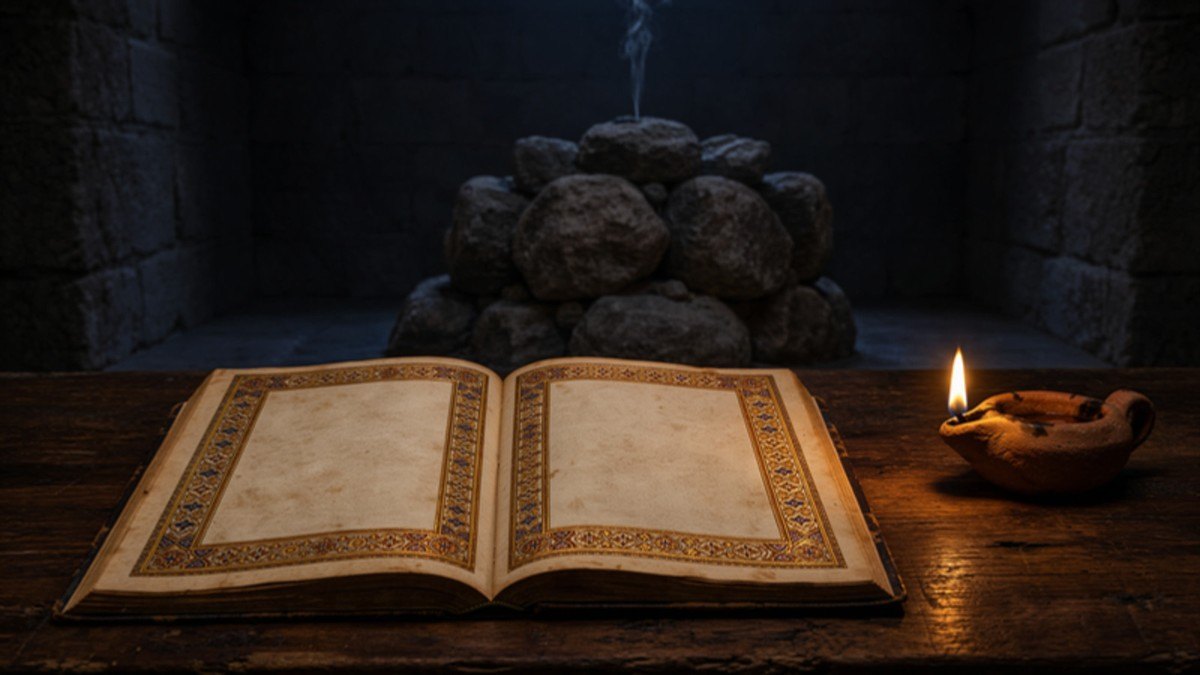
An open parchment manuscript with gold ornamental borders beside a lit clay oil lamp, an altar of rough unhewn stones in the dim stone room behind it
King David KabbalahRamban-Yad'a · Weekly Torahבְּסִיַּעְתָּא דִּשְׁמַיָּא
Friday, 27 November 2026The Torah portion of Vayishlach

Vayishlach5787

The Altar and the Throne

Cover: illustration, generated image
Ramban-Yad'a · the Torah portion of Vayishlach, 5787

In these pages

The Altar and the Throne

What is new in these pages

Print version (PDF)

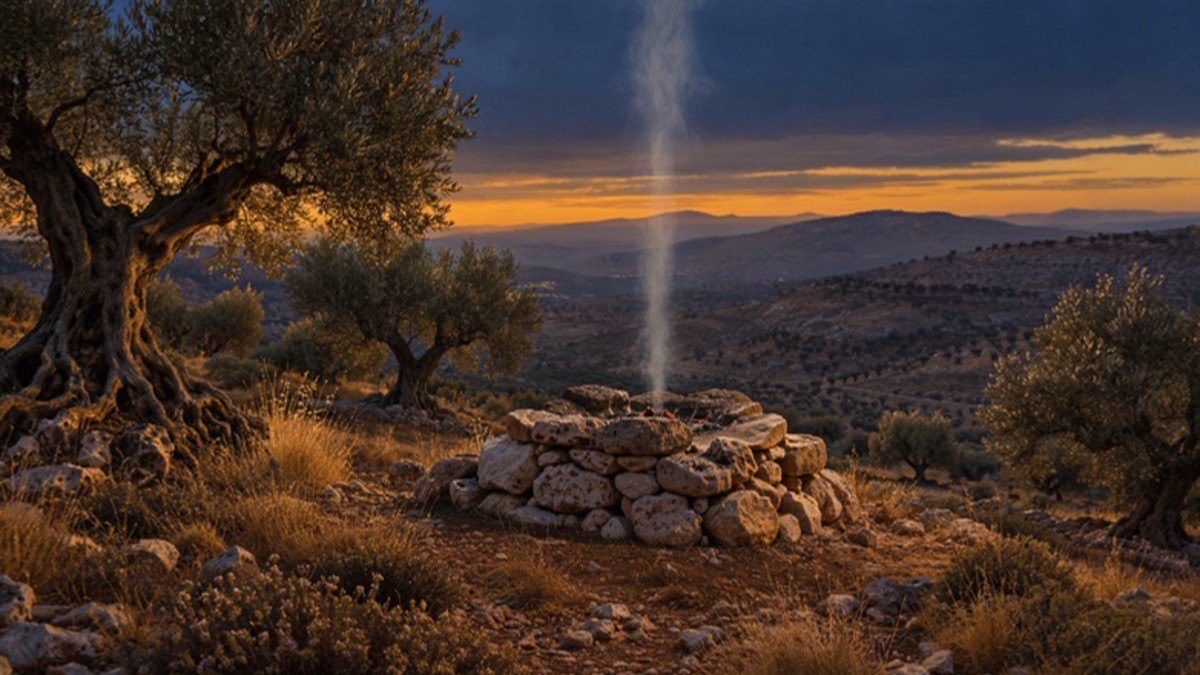
A low altar heaped from rough uncut field stones on a hillside among old olive trees at dusk, a thin column of smoke rising from it
01Part One · Genesis 33:20An Altar Called by the Name of Hashem
A brass balance scale with both pans level on an old study table by candlelight, a folded tallit with tzitzit and a clay oil lamp beside it
02Part Two · Genesis 33:20The Face of Yaakov in the Chariot
A clay oil lamp on the stone floor of an old Jerusalem stone hall, its glow on the wall and a lit arched window high above
03Part Three · Genesis 33:20Who Is Speaking to Whom
Rows of stone arches built one above another, each carrying the row above, with an empty carved chair of honor on the platform at the top
04Part Four · Genesis 33:20A Throne to the Level Above
Two old volumes lying open and facing each other on a study table under a stone arch, one candle burning between them
05Part Five · Genesis 33:20All of the Answers Are True
A short stack of old books on a stone floor, level with the lowest step of a wooden bimah where a Torah scroll lies open
06Part Six · Genesis 33:20Where Their Head Stands
The verse · Genesis, chapter thirty three, verse twenty
וַיַּצֶּב־שָׁם מִזְבֵּחַ וַיִּקְרָא־לוֹ אֵל אֱלֹהֵי יִשְׂרָאֵל׃

And he set up an altar there, and called it El Elokei Yisrael.

A low altar heaped from rough uncut field stones on a hillside among old olive trees at dusk, a thin column of smoke rising from it
Part One

An Altar Called by the Name of Hashem

Genesis 33:20
Illustration, generated image

Honoring Hashem is not naming a god

How can an altar be called El Elokei Yisrael, which means El, the Elokim of Yisrael? The Ramban opens with the words of Rashi: that was not what the altar itself was called. Yaakov named it for the miracle, so that people would remember the praise of the Holy One, blessed be He, whenever they spoke of it. Rabbi Shepherd warns that saying an object is called by the name of Hashem calls for great care. To call a thing by His name in order to honor Him is one matter. To take an object and say "this is my god" is the definition of idol worship. The same holds for the angels, he says. And he explains the reading of Onkelos, in which Yaakov served Hashem through the altar.

Named for the miracle

Rashi, as the Ramban brings him:

לֹא שֶׁהַמִּזְבֵּחַ קָרוּי אֱלֹהֵי יִשְׂרָאֵל אֶלָּא עַל שֵׁם שֶׁהָיָה הַקָּדוֹשׁ בָּרוּךְ הוּא עִמּוֹ לְהַצִּילוֹ קָרָא שֵׁם הַמִּזְבֵּחַ עַל שֵׁם הַנֵּס, לִהְיוֹת שִׁבְחוֹ שֶׁל הַקָּדוֹשׁ בָּרוּךְ הוּא נִזְכָּר בִּקְרִיאַת הַמִּזְבֵּחַ, כְּלוֹמַר מִי שֶׁהוּא אֵל הוּא אֱלֹהִים לִי שֶׁשְּׁמִי יִשְׂרָאֵל. וְכֵן מָצִינוּ בְּמֹשֶׁה "וַיִּקְרָא שְׁמוֹ ה׳ נִסִּי" (שְׁמוֹת 17:15), לֹא שֶׁהַמִּזְבֵּחַ קָרוּי ה׳ אֶלָּא עַל שֵׁם הַנֵּס קָרָא שֵׁם הַמִּזְבֵּחַ לְהַזְכִּיר שִׁבְחוֹ שֶׁל הַקָּדוֹשׁ בָּרוּךְ הוּא, ה׳ הוּא נִסִּי.

It does not mean that the altar was called "The Elokim of Yisrael," but because the Holy One, blessed be He, had been with him to deliver him, he named the altar in honor of the miracle so that the praise of the Holy One, blessed be He, would be recalled when people referred to the altar. Thus it would mean, "He Who is El is the Elokim of me whose name is Yisrael." Similarly we find in the case of Moshe: And he called its [the altar's] name Hashem Nissi. It is not that the altar was called by the Divine Name but rather that he named the altar in honor of the miracle so that the praise of the Holy One, blessed be He, might be mentioned: "Hashem, He is my banner."
From Rabbi Shepherd's teaching

Where the line is drawn

The risk lies in saying that a still object is called by the name of Hashem. Obviously, if somebody takes a rock and says, "this is my god," that is exactly the definition of idol worship. Many people get confused about it. To express that there is something of Hashem within a thing, that His light illuminates it, is one matter. To say "this is my god" is another, and there is a big difference between them. But for some people it is not clear, and very easily they might move in their consciousness from connection with Hashem to the opposite, connecting themselves to idol worship.

On the name of Hashem

That is why we have to understand what it means here, when Yaakov Avinu names the altar. How can it be called Hashem, the Elokim of Yisrael? The answer is that it is on the name of Hashem. Obviously Yaakov is not saying that this is Him. He is saying: "I honor Hashem by calling on the altar the name of Hashem."

Names that praise

The Ramban agrees that Rashi's words are right as the plain meaning, and widens the point to the names given in Israel and to those of the angels:

וְדַע כִּי הַמִּנְהָג הַזֶּה בְּיִשְׂרָאֵל כֵּן שֶׁיִּקְרְאוּ הַשֵּׁמוֹת בְּשִׁבְחֵי הָאֵל, כְּמוֹ צוּרִיאֵל (בְּמִדְבַּר 3:35), צוּרִישַׁדָּי (בְּמִדְבַּר 1:6), כִּי יַגִּיד הַקּוֹרֵא שֶׁהָאֵל הוּא צוּרוֹ וְשַׁדַּי הוּא צוּרוֹ, וְכֵן עִמָּנוּ אֵל (יְשַׁעְיָהוּ 7:14), וְכֵן שֵׁם הַמָּשִׁיחַ ה׳ צִדְקֵנוּ (יִרְמְיָהוּ 23:6), וְשֵׁם יְרוּשָׁלַיִם ה׳ שָׁמָּה (יְחֶזְקֵאל 48:35), וְכֵן יַעֲשׂוּ בִּשְׁמוֹת מַלְאָכִים, גַּבְרִיאֵל (דָּנִיֵּאל 8:16), מִיכָאֵל (דָּנִיֵּאל 10:21), כִּי בַּעֲבוּר גְּדֻלַּת כֹּחָם יַגִּידוּ בִּשְׁמָם כִּי הַגְּבוּרָה לָאֵל וּמִי כָּמוֹהוּ.

Know that it was the custom in Israel that names be called which are indicative of the praises of Elokim, such as Tzuriel (Elokim is my rock), Tzurishaddai (The Almighty is my rock), for the one who calls that name declares that Elokim is his rock and the Almighty is his rock. Likewise, Immanuel (Elokim is with us). And so also the name of the Mashiach, who will be called, Hashem is our righteousness, and the name of Jerusalem will be, Hashem is there. And so did they do with the names of the angels: Gavriel (Elokim is my strength), Michael (Who is like unto Elokim?), for because of their great power they proclaim with their very name that the strength belongs to Elokim and who is like unto Him!

From Rabbi Shepherd's teaching

Even a holy angel

It is the same thing, as the Ramban brings here: many angels, almost all of them, are called on the name of Hashem, as a way of honoring Him by showing His expansion into all of those powers of the angels. But here too, if somebody calls the angel "my god," even though it is a holy angel, Gavriel, Michael, any of them, it becomes idol worship.

Nothing can come instead of Him

We have to know that Hashem fills the whole reality, but also that nothing within it can come instead of Him for us. He is the supreme, ultimate source of everything. We can see Him through the whole creation, but should not call any part of it "my god."

Through the altar

Then the Ramban brings the translation of Onkelos:

אֲבָל אוּנְקְלוֹס (תַּרְגּוּם אוּנְקְלוֹס עַל בְּרֵאשִׁית 33:20) אָמַר "וּפְלַח עֲלוֹהִי קֳדָם אֵל אֱלָהָא דְּיִשְׂרָאֵל", וְיִהְיֶה טַעַם "לוֹ" כְּטַעַם בּוֹ

Onkelos however said: "And he worshipped on it before El, the Elokim of Yisrael." In that case the meaning of the word lo will be as bo ("in it" or "on it").

From Rabbi Shepherd's teaching

The service goes through it

What the Ramban adds from the translation of Onkelos is that the word lo, "to him," means "through it": the way Yaakov performed the service to Hashem was through that altar. "Through that altar I send my gifts, my offerings, to the Elokim of Yisrael."

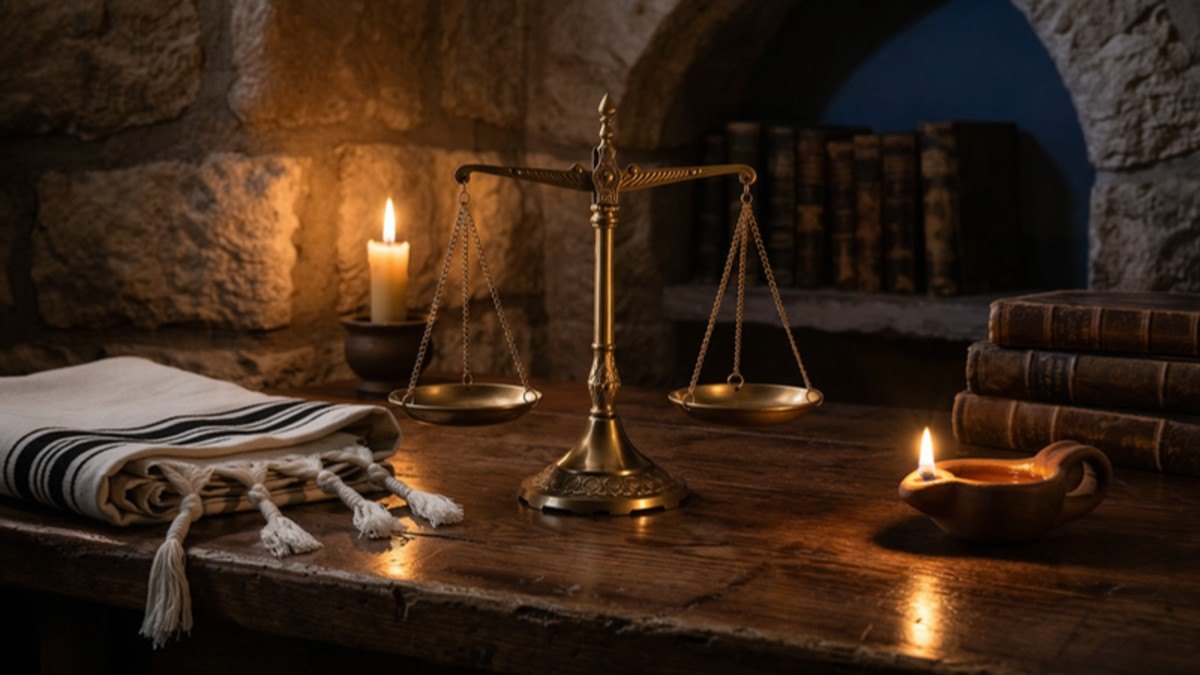
A brass balance scale with both pans level on an old study table by candlelight, a folded tallit with tzitzit and a clay oil lamp beside it
Part Two

The Face of Yaakov in the Chariot

Genesis 33:20
Illustration, generated image

The balanced human being

By the way of truth, which is the Kabbalah, the Ramban reads the verse as the Sages do: the Holy One, blessed be He, called Yaakov El. The Ramban says there is a great secret here, and points to what the Sages always say, that the likeness of our forefather is engraved in the Throne of Glory. What does that likeness mean for us? They teach that the human face in the holy chariot is the face of Yaakov, who, as Rabbi Shepherd understands it, symbolizes for all of us the perfect human being, the balanced one. Whoever wants to connect to the Shechinah (the Divine Presence) has to follow that path, extreme neither in kindness nor in judgment.

A great secret

וְעַל דֶּרֶךְ הָאֱמֶת הוּא כְּמִדְרַשׁ רַבּוֹתֵינוּ שֶׁדָּרְשׁוּ רַבּוֹתֵינוּ בְּמַסֶּכֶת מְגִלָּה (18), מִנַּיִן שֶׁקְּרָאוֹ הַקָּדוֹשׁ בָּרוּךְ הוּא לְיַעֲקֹב אֵל, שֶׁנֶּאֱמַר "וַיִּקְרָא לוֹ אֵל אֱלֹהֵי יִשְׂרָאֵל", וְיֵשׁ בָּעִנְיָן הַזֶּה סוֹד גָּדוֹל, הִזְכִּירוּהוּ עוֹד בִּבְרֵאשִׁית רַבָּה (79:8) בְּלָשׁוֹן אַחֵר, אָמַר לוֹ, אַתָּה אֱלוֹהַּ בָּעֶלְיוֹנִים וַאֲנִי אֱלוֹהַּ בַּתַּחְתּוֹנִים. יִרְמְזוּ לְמָה שֶׁהֵם אוֹמְרִים תָּמִיד שֶׁאִיקוֹנִין שֶׁל יַעֲקֹב חֲקוּקָה בְּכִסֵּא הַכָּבוֹד, וְהַכַּוָּנָה שֶׁהַשְּׁכִינָה שׁוֹרָה בְּאֶרֶץ יִשְׂרָאֵל. וְהַמַּשְׂכִּיל יָבִין.

And by way of the Truth, [that is, the mystic lore of the Kabbalah, the verse is to be understood] as being in accord with the Midrash which the Rabbis have expounded in Tractate Megillah: "Whence do we know that the Holy One, blessed be He, called Yaakov El? It is said, And He, the Elokim of Yisrael, called him El." There is in this matter a great secret, which the Sages have additionally mentioned in Bereishit Rabbah in another way: "He said to him: You are Eloah among the upper ones, and I am Eloah among the lower ones." The Sages thereby alluded to that which they constantly say: the likeness of Yaakov is engraved in the Heavenly Throne. The intent is that the Shechinah rests in the Land of Israel. The student learned in the mystic lore of the Kabbalah will understand.

From Rabbi Shepherd's teaching

We have to be very careful here

Here the Ramban takes it one step further: according to the Sages, in tractate Megillah, Hashem called Yaakov El Elokei Yisrael. Hashem is telling us that Yaakov is, in a way, presenting to us the Elokim of Yisrael. Again, as I said on Rashi and the Ramban at the simple level, we have to be very careful here. What does it mean that our forefather is called by that name?

The lower world

The Ramban also brings the Midrash Rabbah: it is as if Hashem gave Yaakov Avinu the domain of controlling the lower realms, the lower world. There is a point to that, but it needs to be explained and clarified.

The face in the chariot

The Ramban gives us a direction of thinking: the concept that the shape of Yaakov was carved in the Throne of Glory. What does that mean? In the holy chariot we have the lion, an ox and an eagle, and we have a human being within it. The Sages explain that the face of Yaakov was the face of that human being, in the chariot that carries the Throne of Glory.

The perfect human being

As I understand that concept, for all of us human beings Yaakov symbolizes the perfect human being. He symbolizes the balance: to be a balanced person.

The path of Yaakov Avinu

To be part of the chariot that carries the Throne of Glory, to connect to the Shechinah, we need to follow that path of Yaakov Avinu, to be balanced.

Not extreme

We cannot be extreme in the kindness or extreme in the judgment. We have to be balanced: the Tiferet, the beauty of Yaakov Avinu.

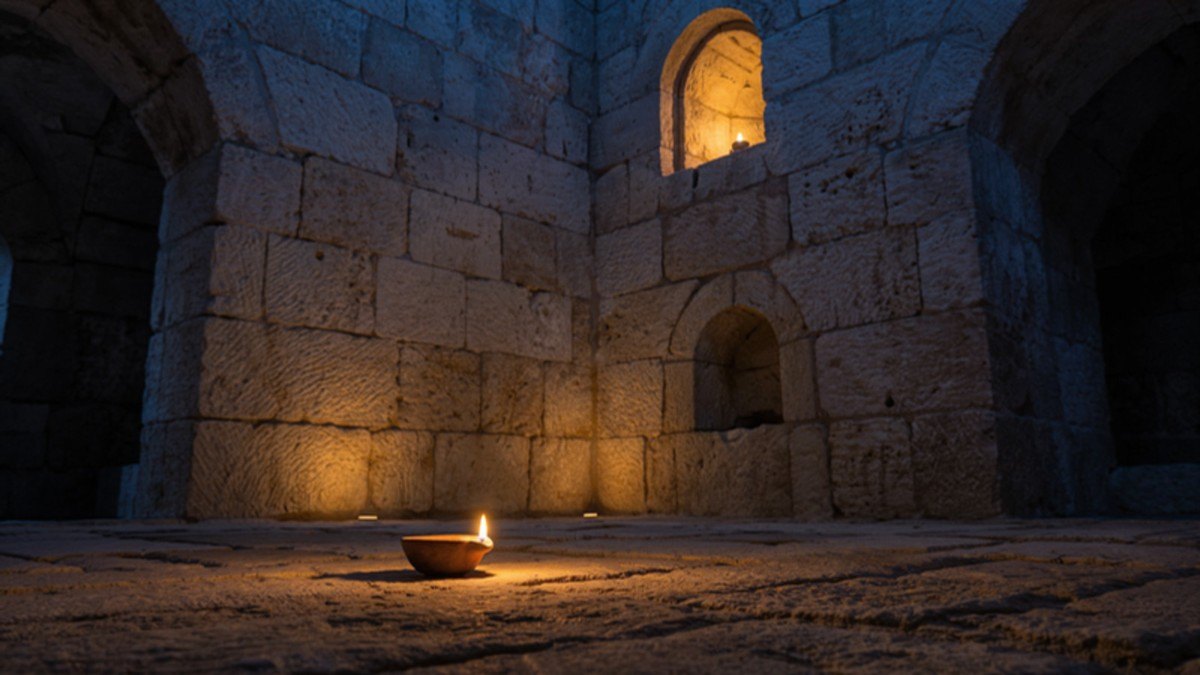
A clay oil lamp on the stone floor of an old Jerusalem stone hall, its glow on the wall and a lit arched window high above
Part Three

Who Is Speaking to Whom

Genesis 33:20
Illustration, generated image

The Shechinah looks up to Yaakov

"You are Eloah among the upper ones, and I am Eloah among the lower ones." Who says this to whom? The Midrash does not say. At the simple level, as Rabbi Shepherd taught in an earlier class, Hashem is telling Yaakov: you represent Me in the lower world. The Meirat Einayim, the commentary of Rabbi Yitzchak of Acco on the Ramban, reads it the other way around. The speaker is the Shechinah, the Divine Presence, also called the Atarah, the crown. She tells Yaakov that the upper world is his and the lower one hers. He stands at the level of the Tiferet (beauty), Rabbi Shepherd explains, and the Shechinah looks up to his realm.

From Rabbi Shepherd's previous classes (a class on the Recanati, on this verse)

The simple understanding

The Midrash Rabbah brings this secret in different words: one tells the other, "You are Eloah among the upper ones, and I am Eloah among the lower ones." Who tells whom? The Midrash does not say. The simple understanding is that Hashem is telling Yaakov: you are My representative in the physical world. I am Elokim in the upper worlds, and you represent Me in the lower worlds.

The speaker is the Atarah

The Meirat Einayim brings, from a book that he names by initials:

הַקָּדוֹשׁ בָּרוּךְ הוּא בַּמָּקוֹם הַזֶּה הוּא הָעֲטָרָה, כִּי הַשְּׁכִינָה קְרָאוֹ לְיַעֲקֹב זִכְרוֹנוֹ לִבְרָכָה אֵל, אַתָּה אֱלוֹהַּ בָּעֶלְיוֹנִים, לְפִי שֶׁצּוּרָתוֹ חֲקוּקָה בַּתִּפְאֶרֶת שֶׁהוּא מַנְהִיג עוֹלָם הָעֶלְיוֹן, וַאֲנִי אֱלוֹהַּ בַּתַּחְתּוֹנִים שֶׁאֲנִי מַנְהִיג הָעוֹלָם הַשָּׁפָל, וְיָדוּעַ כִּי הָעֲטָרָה הוּא מַנְהִיג הָעוֹלָם הַשָּׁפָל.

The Holy One, blessed be He, in this place is the Atarah, for the Shechinah called Yaakov, of blessed memory, El: You are Eloah among the upper beings, because his image is engraved in the Tiferet, which governs the upper world, and I am Eloah among the lower beings, for I govern the lowly world. And it is known that the Atarah governs the lowly world.

From Rabbi Shepherd's teaching

The other way around

According to the Meirat Einayim here, it is the other way around. The speaker who calls Yaakov El Elokei Yisrael is the Shechinah, the sefirah of Malchus, which is the lower sefirah. She is telling him: you are controlling the upper world, and I, the Shechinah, am controlling the lower one, this world.

All of the lower worlds

And not only this world. All of the lower worlds, Beriah, Yetzirah and Asiyah, are controlled by the Shechinah, which is the Malchus of the Atzilus. But Yaakov Avinu is higher than that. He is at the level of the Tiferet, and the Shechinah is looking up to his realm. That is a very, very high level of relating to the upper realms.

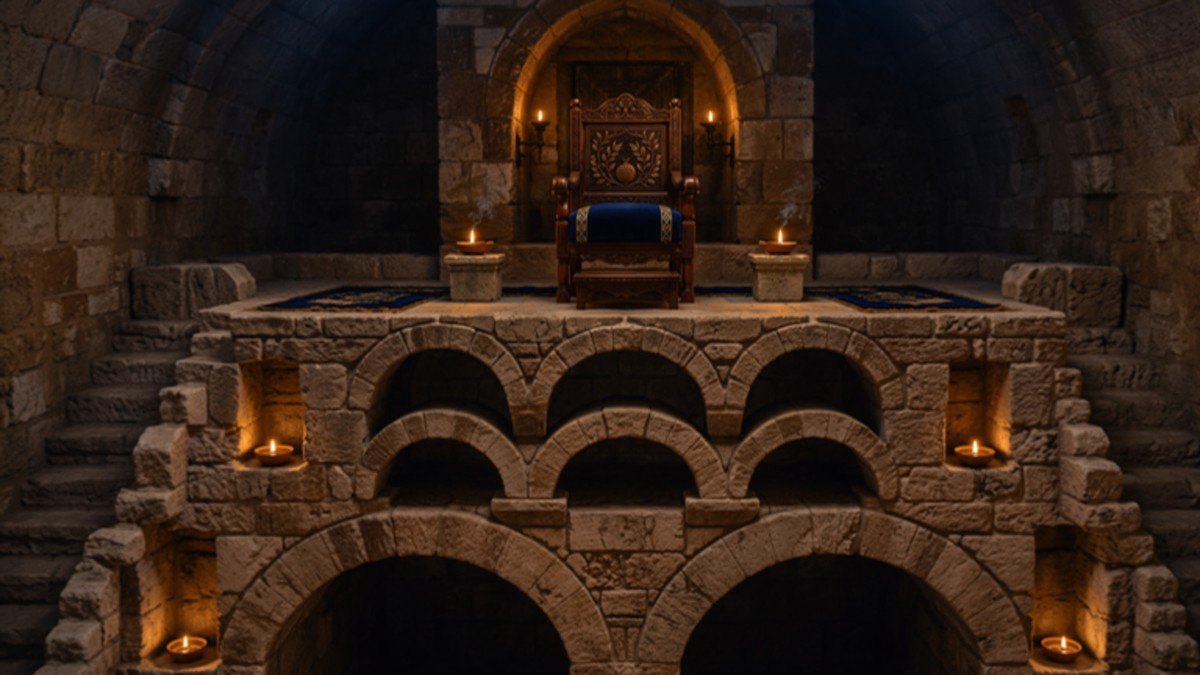
Rows of stone arches built one above another, each carrying the row above, with an empty carved chair of honor on the platform at the top
Part Four

A Throne to the Level Above

Genesis 33:20
Illustration, generated image

Every level carries the one above it

What is the Throne of Glory in which the likeness of Yaakov is engraved? The Meirat Einayim brings three readings: it is the Tiferet (beauty), or the Atarah (the crown, another name for the Malchus), or Yesod (foundation). Here, Rabbi Shepherd says, this commentary teaches a principle: "every level is a throne and a chariot to the level above it." He adds a step of his own: we are a throne to the Shechinah (the Divine Presence). The same passage gives the reason Moshe is called the man of Elokim, and Rabbi Shepherd explains it.

Which throne

The Meirat Einayim first brings a sage of his generation, whom he names only by initials, and then his own reading:

לְפִי דְּבָרָיו הוּא קוֹרֵא כָּאן הַתִּפְאֶרֶת כִּסֵּא הַכָּבוֹד וְאוֹמֵר הוּא שֶׁהוּא כִּסֵּא לַתְּשׁוּבָה, וַאֲנִי אוֹמֵר שֶׁכִּסֵּא הַכָּבוֹד קוֹרֵא הֵנָּה לָעֲטָרָה שֶׁהוּא כִּסֵּא לַתִּפְאֶרֶת.

According to his [the Ramban's] words he calls the Tiferet here the Throne of Glory, and he says that it is a throne for Teshuvah. But I say that here he calls the Atarah the Throne of Glory, for she is a throne for the Tiferet.

From Rabbi Shepherd's teaching

A throne and a chariot

The Meirat Einayim teaches us here a profound concept of the Kabbalah: every level is a throne and a chariot to the level above it. Generally, we have the concept that the Throne of Glory is the world of Beriah, which holds within it the world of Atzilus.

All the way up

But here the Meirat Einayim tells us that the Tiferet is a throne to teshuvah, one of the ways that the Rishonim call the sefirah of Binah. The sefirah and teshuvah are connected: when we perform that mitzvah, to repent, we can elevate ourselves all the way up to the Throne of Glory, which is Binah, which is Beriah, that holds within it the Atzilus.

One level lower

Then the Meirat Einayim goes lower, and says that the Atarah, which is the Malchus, is also a throne to the Tiferet.

We are a throne to the Shechinah

And on top of that, we can add that we are a throne to the Atarah, to the Malchus, to the Shechinah. That is the concept of Merkavah laShechinah: to be a chariot, a throne, to the Shechinah.

The man of Elokim

In the same place the Meirat Einayim brings what he heard about Moshe:

וּכְעִנְיָן זֶה שָׁמַעְתִּי מִפִּי הָרַב מֹשֶׁה בֶּן רַבִּי שְׁלֹמֹה בֶּן שִׁמְעוֹן זִכְרוֹנוֹ לִבְרָכָה לָמָּה נִקְרָא מֹשֶׁה אִישׁ הָאֱלֹהִים, מִפְּנֵי שֶׁהִשִּׂיג עַד הַתִּפְאֶרֶת שֶׁבָּהּ הָיָה מִתְנַבֵּא, כִּי הַתִּפְאֶרֶת הָיָה מְדַבֵּר עִמּוֹ כַּאֲשֶׁר יְדַבֵּר אִישׁ אֶל רֵעֵהוּ.

In the same vein I heard from the mouth of Rabbi Moshe son of Rabbi Shlomo ben Shimon, of blessed memory: why is Moshe called "the man of Elokim"? Because he attained up to the Tiferet, through which he prophesied, for the Tiferet spoke with him as a man speaks with his fellow.

וְאִם תֹּאמַר וַהֲרֵי הַנְּבִיאִים הָאֲחֵרִים מִלְּבַעֲדֵי מֹשֶׁה נִקְרָאִים אִישׁ אֱלֹהִים, יֵשׁ לוֹמַר שֶׁנִּקְרְאוּ כֵּן מִצַּד הַשָּׂגָתָם אֶל הָאֱלֹהִים לוֹמַר הָעֲתִידוֹת אֲבָל לֹא בַּדֶּרֶךְ שֶׁאָמַר בְּמֹשֶׁה.

And if you ask, are not the other prophets besides Moshe also called "man of Elokim"? One may answer that they were called so by reason of their attainment toward Elokim, to foretell the future, but not in the way that was said of Moshe.

From Rabbi Shepherd's teaching

Connected to the Tiferet

From here we can see the profound level that Moshe Rabbeinu achieved, that he is called Ish HaElokim, the man of Elokim. As the Meirat Einayim explains it, according to his tradition, the name means the man who is connected to the level of the Tiferet.

At the source of the prophecy

Then we have a question about the rest of the prophets, because others are also called Ish HaElokim. The Meirat Einayim explains that they had the grasp from Elokim: they received from the source of the prophecy what came down to their level. But Moshe Rabbeinu went up to that level of the Tiferet, and he was able to hear it at the source of that prophecy.

El is mercy, and Yesod is the throne

The Meirat Einayim then brings a third reading:

וּמָצָאתִי כָּתוּב בְּיַד חָכָם מַשְׂכִּיל מִנַּיִן שֶׁקְּרָאוֹ הַקָּדוֹשׁ בָּרוּךְ הוּא לְיַעֲקֹב אֵל שֶׁנֶּאֱמַר וַיִּקְרָא לוֹ אֵל שֶׁהוּא מִדַּת הָרַחֲמִים, אֱלֹהֵי יִשְׂרָאֵל שֶׁהוּא יְסוֹד וְהוּא מִדַּת יַעֲקֹב.

And I found written in the hand of a wise kabbalist: From where do we know that the Holy One, blessed be He, called Yaakov El? As it is said, "And he called him El," which is the attribute of mercy; "Elokei Yisrael," which is Yesod, and that is the attribute of Yaakov.

רוֹצֶה לוֹמַר שֶׁאִיקוֹנִין שֶׁל יַעֲקֹב חֲקוּקָה בְּכִסֵּא הַכָּבוֹד, כִּסֵּא הַכָּבוֹד הוּא יְסוֹד שֶׁהוּא כִּסֵּא לְבַעַל הָרַחֲמִים.

That is: the likeness of Yaakov is engraved on the Throne of Glory; the Throne of Glory is Yesod, which is a throne for the Master of mercy.

וְהַכַּוָּנָה שֶׁהַשְּׁכִינָה שׁוֹרָה בְּאֶרֶץ יִשְׂרָאֵל רוֹצֶה לוֹמַר כִּי הַיְסוֹד שׁוֹרֶה בְּאֶרֶץ הַחַיִּים.

And the meaning "that the Shechinah dwells in the Land of Israel" is that Yesod dwells in the Land of the Living.

From Rabbi Shepherd's teaching

A name for the Yesod

Then we go back to Yaakov Avinu, who was called El Elokei Yisrael. The Meirat Einayim says here that this is a name for the Yesod, which is the throne of the Baal HaRachamim, the owner of the mercy, the Tiferet.

The middle column

In the illustration of the ten sefiros that we all know, you look at the middle column and you see the Malchus at the bottom. Above that is the Yesod, and above it the Tiferet. So the Yesod is the throne to the Tiferet.

Kindness, judgment, mercy

We have Chesed, the kindness, which is the right pillar, and the Din, the judgment, the left one. And we have the rachamim, the mercy, the middle pillar, which is the balance between the right and the left.

Standing on the Land

The concept of Yaakov within the throne is connected with the concept that the Shechinah rests within Eretz Yisrael. When Eretz Yisrael is the Shechinah, then he, standing above the Land, is the Yesod: the throne to the Tiferet, which is the sefirah of Yaakov.

Two old volumes lying open and facing each other on a study table under a stone arch, one candle burning between them
Part Five

All of the Answers Are True

Genesis 33:20
Illustration, generated image

No need to choose

With so many readings of one verse, which is right? The Meirat Einayim answers that the man of understanding makes peace between them, and then he knows that all of it is true. His example is the Gemara's question why Esther invited Haman to her feast: the Sages give many reasons, and Eliyahu said that she had all of those reasons in mind. As Rabbi Shepherd says, we don't have to choose one over the other. The Meirat Einayim carries this even to words of philosophy, and then limits it. Rabbi Shepherd explains where the limit runs. The science itself, how the world works, is a real wisdom. The theories that explain why are many times very dangerous.

Peace between the traditions

The Meirat Einayim calls the readings he has set side by side kabbalot, received traditions:

וְהַמַּשְׂכִּיל יָשִׂים שָׁלוֹם בֵּין הַקַּבָּלוֹת הָאֵלּוּ כְּמוֹ שֶׁרָאוּי לַמַּשְׂכִּיל לְהַכְנִיס שָׁלוֹם בֵּין דִּבְרֵי חֲכָמִים וּלְיַשֵּׁב כָּל דָּבָר וְדָבָר אַחֲרֵי דַּרְכֵי הָאֱמֶת, וְלֹא לִדְחוֹת דְּבַר חָכְמָה מִזֶּה מִפְּנֵי דְּבָרוֹ שֶׁל זֶה בִּשְׁתֵּי יָדַיִם, וְאִם נָתַן בְּךָ הַשֵּׁם שֵׂכֶל לַעֲשׂוֹת כֵּן תֵּדַע שֶׁהַכֹּל אֱמֶת.

The man of understanding will make peace between these kabbalot, as it is fitting for the man of understanding to bring peace between the words of the sages and to settle each and every matter according to the ways of truth, and not to push away with both hands a word of wisdom from this one because of the word of that one. And if Hashem has given you the understanding to do so, you will know that all of it is true.

The Meirat Einayim brings the Gemara in tractate Megillah. Why did Esther invite Haman? Rabbi Eliezer says she hid traps for him. Rabbi Nechemyah says it was so that Israel would not say, "We have a sister in the king's house," and turn their minds away from pleading for mercy. Other Sages give other reasons. The Gemara ends:

אַשְׁכְּחָא רַבָּא בַּר אֲבוּהּ לְאֵלִיָּהוּ אָמַר לוֹ כְּמַאן חַזְיָא אֶסְתֵּר דְּעָבְדָא מִשְׁתְּיָה לְהָמָן, אָמַר לוֹ כְּכֻלְּהוּ תַּנָּאֵי וּכְכֻלְּהוּ אָמוֹרָאֵי.

Rabbah bar Avuha found Eliyahu and said to him: Like whom did Esther see it, when she made a feast for Haman? He said to him: Like all the Tannaim and like all the Amoraim.

From Rabbi Shepherd's teaching

As long as they are legitimate

Now we come to a very interesting point. There are different ways to explain what happened there for Yaakov Avinu, and to explain what the Throne of Glory is. The answer the Meirat Einayim gives us is that we don't have to choose one over the other, or say: I like this, therefore I push away the others. In the Torah it is possible to take all of the different opinions, as long as they are legitimate, and relate to them as truth, even though it seems as if they contradict one another.

What Eliyahu answered

The Meirat Einayim brings us an example from Esther: the question why she called Haman to the feast she made. The Sages give opinions of every kind, and it seems that if you choose one, you say the others are wrong. But then they met Eliyahu HaNavi and asked him: what is the truth among those different opinions? What is the real reason? He answered them that all of the answers are correct. There is no one right answer. All of them hold true at the same time.

Even the words of philosophy

וְאֵין צָרִיךְ לוֹמַר שֶׁהַמַּשְׂכִּיל יָשִׂים שָׁלוֹם בֵּין דִּבְרֵי חָכָם זֶה לְדִבְרֵי חָכָם אַחֵר בְּדֶרֶךְ הָאֱמֶת, אֶלָּא שֶׁאֲפִלּוּ בִּדְבָרִים שֶׁל פִּלְסוֹפְיָאה שֶׁנִּרְאִים לֶהָמוֹן שֶׁהֵם כְּנֶגֶד תּוֹרָתֵנוּ, יָשִׂים הַמַּשְׂכִּיל שָׁלוֹם בֵּינֵיהֶם וִיתַקֵּן הָעִנְיָן בְּשִׂכְלוֹ הַנָּבוֹן וִיחַבֵּא דִּבְרֵיהֶם בְּדִבְרֵי הַקַּבָּלָה.

And needless to say, the man of understanding will make peace between the words of one sage and the words of another sage in the way of truth; but even with the words of philosophy that appear to the masses to be against our Torah, the man of understanding will make peace between them, set the matter right with his discerning intellect, and hide their words within the words of the Kabbalah.

From Rabbi Shepherd's teaching

A big part of the real Kabbalah

Then the Meirat Einayim goes one step further. Not only in the Torah, he says: you can say the same thing even about the external wisdom that seems to contradict it, for example philosophy and other wisdoms of the world. But somebody who is really wise can hear those different points of wisdom of the world and see the connection between them and the Torah. To be able to see those connections and explain them is a big part of the real Kabbalah.

Which philosophy

וְאָמְרִי דְּבָרִים שֶׁל פִּילוֹסוֹפְיָאה רוֹצֶה לוֹמַר דִּבְרֵי הַמֶּחְקָר הַמּוֹדִים בְּחִדּוּשׁ הָעוֹלָם וּבִתְפִלָּה וּבִתְחִיַּת הַמֵּתִים וּבְהַשְׁגָּחָה, וְכַיּוֹצֵא בִּדְבָרִים אֵלּוּ שֶׁעִקַּר הָאֱמוּנָה תָּלוּי בָּהֶם, אֲבָל הַפִּילִיסוֹפִים תַּלְמִידֵי הַיְּוָנִים אֲרִיסְטוֹטִילוֹס הַכּוֹפֵר בְּמַעֲשֵׂה בְּרֵאשִׁית וְאוֹמֵר שֶׁהָעוֹלָם קַדְמוֹן, וְאֵין דַּעְתֵּנוּ עֲלֵיהֶם לִשָּׂא וְלִתֵּן בְּדִבְרֵיהֶם עִם דִּבְרֵי דֶּרֶךְ הָאֱמֶת.

By "words of philosophy" I mean the words of inquiry that affirm the creation of the world, prayer, the resurrection of the dead and providence, and similar matters on which the root of faith depends. But as for the philosophers, the disciples of the Greek Aristotle, who denied the work of creation and said that the world is eternal, we have no thought of discussing their words alongside the words of the way of truth.

From Rabbi Shepherd's teaching

Full force against the Torah

Right after that, the Meirat Einayim comes back and says: it depends which philosophy, which wisdom of the world, because some of them, we know, really go full force against the Torah. We don't need to learn or look into something that goes against it full force, expressly, or try to explain how it does not contradict the Torah.

We just need to move on

Some things that people say, we don't need to react to and explain why they are not true, or to argue with them. We just need to move on.

The science and the why

But the parts that need to be explained, how they connect to the Torah, are the real wisdom of the world: how the world works. In other words, we can see the distinction between the science itself, which is a real wisdom, and all kinds of theories that explain why it is like that. The explanations of the why are many times very dangerous, and come from the wrong point of view. So we need to be very sensitive, and know what to look into and what to turn our eyes away from.

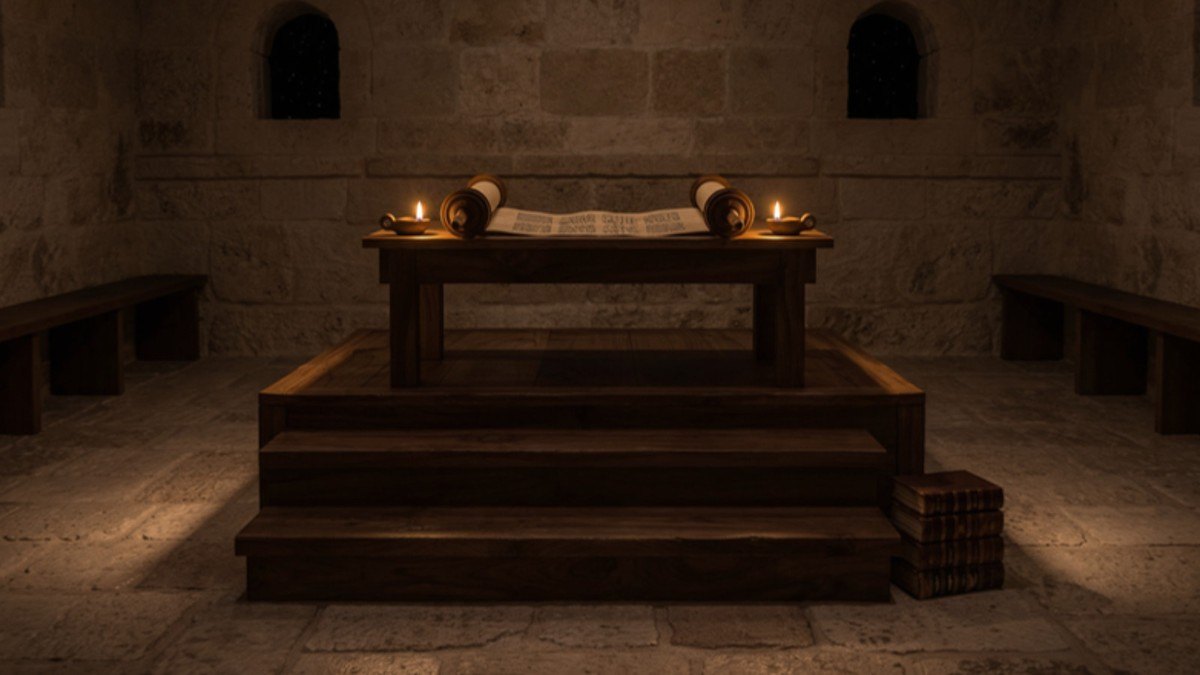
A short stack of old books on a stone floor, level with the lowest step of a wooden bimah where a Torah scroll lies open
Part Six

Where Their Head Stands

Genesis 33:20
Illustration, generated image

The beginning of the wisdom of the Torah

The Meirat Einayim goes on to the warnings of earlier sages against leaving the Torah for philosophy. Rav Hai Gaon sent such a warning through a pious man. The kabbalist Rabbi Moshe of Burgos told those who praised the philosophers that "where their head stands, there our feet stand." Rabbi Shepherd explains: as high as they reach, that is the beginning of the wisdom of the Torah. And he brings from Shaar HaGilgulim, the Gate of Reincarnations, that a great sage who chose to learn philosophy instead of Kabbalah had to go through a few more lifetimes for it.

Woe to one who leaves the secrets of the prophets

The Meirat Einayim tells of a message that Rav Hai Gaon sent to Rabbi Paltoi and his yeshivah through a pious man named Rabbi Eliyah HaBavli:

וְהָיָה חָכָם גָּדוֹל בְּכָל חָכְמָה וְהָיָה אוֹמֵר לְתַלְמִידָיו הִזָּהֲרוּ בְּאֵלֶּה הָעִנְיָנִים וּמִכַּת אַנְשֵׁי הַסְּבָרוֹת.

He was a great sage in every wisdom, and he used to say to his students: Beware of these matters and of the faction of the men of speculation.

וַוי עַל מַאן דְּסָמַךְ עַל חוּרְפֵּיהּ וּבְעִיּוּנֵיהּ וְאָזַל רֵישֵׁיהּ בָּתַר רַגְלוֹהִי וְשָׁבִיק רָזֵי דִּנְבִיאַיָּא וְחַכִּימַיָּא דִּבְנֵי יִשְׂרָאֵל וְיָלִיף חָכְמְתָא דְּפוֹלִיסוֹפְיָאה וְהִיא חָכְמְתָא אֲחִיזָא בְּעֵין חָכְמְתָא דְּחָרָשַׁיָּא וְקָסָמַיָּא.

Woe to one who relies on his sharpness and his reasoning, whose head goes after his feet, who abandons the secrets of the prophets and the sages of the children of Israel and learns the wisdom of philosophy, which is a wisdom that deceives the eye, the wisdom of sorcerers and diviners.

From Rabbi Shepherd's teaching

Rabbi Eliyah HaBavli

The Meirat Einayim brings a story that most people do not know, about one of the great sages that Am Yisrael had, Rabbi Eliyah HaBavli. He was very knowledgeable about all the wisdoms of the world, and with all of his knowledge he said: you have to be very careful with those things, careful when you choose to leave the wisdom of the Torah and look into external wisdoms of the world. Many of them are connected to negative forces of every kind, like witchcraft and black magic, and somebody who goes in that direction might suffer and go through a lot of pain and affliction.

Our heart in tune with the Torah

We have to put our heart to understand the true wisdom of the Torah. And when our heart is in tune with it, we can see the truth of the Torah all around us in the creation, with all of the secrets of the creation.

Rabbi Moshe of Burgos

וְכַאֲשֶׁר הָיָה שׁוֹמֵעַ הַמְקֻבָּל יְרֵא הַשֵּׁם מִנְּעוּרָיו, הָרַב מֹשֶׁה בֶּן רַבִּי שְׁלֹמֹה בֶּן רַבִּי שִׁמְעוֹן מֵעִיר בּוּרְגּוֹשׁ זִכְרוֹנוֹ לִבְרָכָה, זִכְרוֹן שֶׁבַח עַל חַכְמֵי הַפּוֹלְסְפְיָאה, הָיָה אוֹמֵר הַפּוֹלִיסוֹפִים שֶׁאַתֶּם מְשַׁבְּחִים חָכְמָתָם, דְּעוּ בֶּאֱמֶת כִּי בִּמְקוֹם מַעֲמַד רֹאשָׁם מַעֲמַד רַגְלֵינוּ, וְדָבָר זֶה מֻשְׂכָּל רִאשׁוֹן הוּא לַמַּשְׂכִּילִים.

And when the kabbalist who feared Hashem from his youth, Rabbi Moshe son of Rabbi Shlomo son of Rabbi Shimon of the city of Burgos, of blessed memory, used to hear words of praise for the sages of philosophy, he would say: The philosophers whose wisdom you praise, know in truth that where their head stands, there our feet stand; and this is a first principle for men of understanding.

From Rabbi Shepherd's teaching

As high as they reach

Another story that the Meirat Einayim tells us is about Rabbi Moshe ben Shlomo ben Shimon. He would tell people: those philosophers whose wisdom you are praising, you have to know that in truth their head stands where our feet stand. In other words, as high as they reach, that is the beginning of the wisdom of the Torah.

A great loss

The Meirat Einayim also copies a letter of Rav Hai Gaon on the study of philosophy. One line of it:

וְדַע כִּי כָּל אֲשֶׁר יִתְעַסֵּק וְיוֹצִיא דְּבָרָיו בְּזוּלָתִי הָעִנְיָן שֶׁסִּפַּרְתִּי לְךָ יִפָּסֵד הֶפְסֵד גָּדוֹל.

And know that whoever occupies himself and expends his words on anything other than the matter I have told you suffers a great loss.

From Rabbi Shepherd's teaching

A very big test

The Meirat Einayim goes out of his way and writes at length, much more than in many other places, about the difference between philosophy, as part of the wisdoms of this world, and the Torah, which is the wisdom of Hashem. The truth of the matter is that in the time of the Rishonim it was a very big test for the sages of Am Yisrael not to learn and deal with philosophy.

The Maggid Mishnah

It says in Shaar HaGilgulim, the Gate of Reincarnations, that the Arizal told his student that he, Rabbi Chaim Vital, used to be the Maggid Mishnah, in the time of the Rishonim. Instead of learning Kabbalah, the wisdom of truth, that sage chose to learn philosophy, even though he was a very great righteous man and knew so much Torah. But because he chose philosophy, he had to go through a few more lifetimes, until he came as Rabbi Chaim Vital to learn the Kabbalah of the Arizal.

To learn Torah

And we see here that the Meirat Einayim goes on and on to recommend, to point us and to strengthen us to learn Torah, and not to follow philosophy and other wisdoms of the world.

Shabbat Shalom,

Rabbi Yaakov Avraham Shepherd
Yeshivat HaMekubalim Nefesh HaChaim

This week we prayed for our partners at the Tomb of King David in Jerusalem. If you have not yet joined the circle of members of Yeshivat HaMekubalim, please join us as soon as you can.

Yeshivat HaMekubalim Nefesh HaChaim
Every week

Ramban-Yad'a by email every Friday

join.mekobalim.org

Join the list

If you would like to sponsor, or to ask about receipts, please write to us: [email protected]. Join our Telegram channel, where every gift and recording arrives first.

Ramban-Yad'a · Vayishlach 5787 · From the classes of Rabbi Yaakov Shepherd · All Ramban-Yad'a pages · Back to the cover
QR code to the support page of the yeshivaScan or tap to give