‘And Sarah lived one hundred years, and twenty years, and seven years—the years of the life of Sarah. And Sarah died in Kiryat Arba — it is Chevron [Hebron] — in the land of Kena’an [Canaan]…’
– Bereishis (Genesis) 23:1-2
The Zohar in Parashas Chayei Sarah reveals a tremendous secret about death. Concerning the death of Sarah, it states the following:
תָּא חֲזֵי, וַתָּמָת שָׂרָה בְּקִרְיַת אַרְבַּע. רָזָא אִיהוּ, בְּגִין דְּלָא הֲוָה מִיתָתָהּ עַל יְדָא דְּהַהוּא נָחָשׁ עֲקִימָאָה, וְלָא שָׁלַט בָּהּ כִּשְׁאָר בְּנֵי עָלְמָא דְּאִיהוּ שַׁלִּיט בְּהוּ. וְעַל יָדֵיהּ מֵתוּ בְּנֵי עָלְמָא מִיּוֹמָא דְּגָרִים לוֹן אָדָם בַּר משֶׁ”ה וְאַהֲרֹ”ן וּמִרְיָ”ם דִּכְתִיב בְּהוּ עַל פִּי יְיָ. וּבְגִין יְקָרָא דִּשְׁכִינְתָּא לָא כְּתִיב בְּמִרְיָם עַל פִּי יְיָ.
‘The pasuk (verse), ‘And Sarah died…’, also contains a secret, which is that she did not die by the tortuous Serpent (i.e. the Angel of Death). It had no power over her, as it has over the people of the world. As a result of Adam’s sin, all the people in the world die by the Serpent, except Moshe [Moses], Aharon [Aaron], and Miryam [Miriam] (who died by a kiss) as it is written, ‘Upon the mouth of Hashem’ (Bamidbar / Numbers 33:38). In honor of the Shechinah [the Divine Presence of HaShem], it is not said of Miryam, ‘upon the mouth of Hashem,’ (even though she, too, died by the kiss).’
Death usually comes from the side of the Nachash (the Serpent), which represents the evil side—the evil inclination, the klipah (impure spiritual forces, literally husks), etc. Usually, the Nachash has control of human beings at the time of death. In the case of Sarah, however, who died in Kiryat Arba (בקרית ארבע), death was not by the Nachash but rather something related with the spiritual concept of בקרית ארבע. It is important to note that we are talking about death as a concept not the physical passing of a person.
The Merkava
The Zohar continues,
אֲבָל בְּשָׂרָה כְּתִיב בְּקִרְיַת אַרְבַּע, רָזָא דְּקִרְיַת אַרְבַּע בְּרָזָא עִלָּאָה, וְלָא עַל יְדָא אָחֳרָא. בְּקִרְיַת אַרְבַּע, וְלא בְּנָחָשׁ. בְּקִרְיַת אַרְבַּע הִיא חֶבְרוֹן, דְּאִתְחַבַּר דָּוִד מַלְכָּא בַּאֲבָהָן, וְעַל דָּא לָא הֲוָה מִיתָתָהּ בִּידָא אָחֳרָא אֶלָּא בְּקִרְיַת אַרְבַּע.
‘Yet of Sarah it is written, ‘And Sarah died in Kiryat Arba,’ because she died in and by the hands of Kiryat Arba, and not by the Serpent. She died by the hands of Kiryat Arba, that is, Hebron, where David was united with the Patriarchs. Therefore, she died not by another, but in Kiryat Arba.’
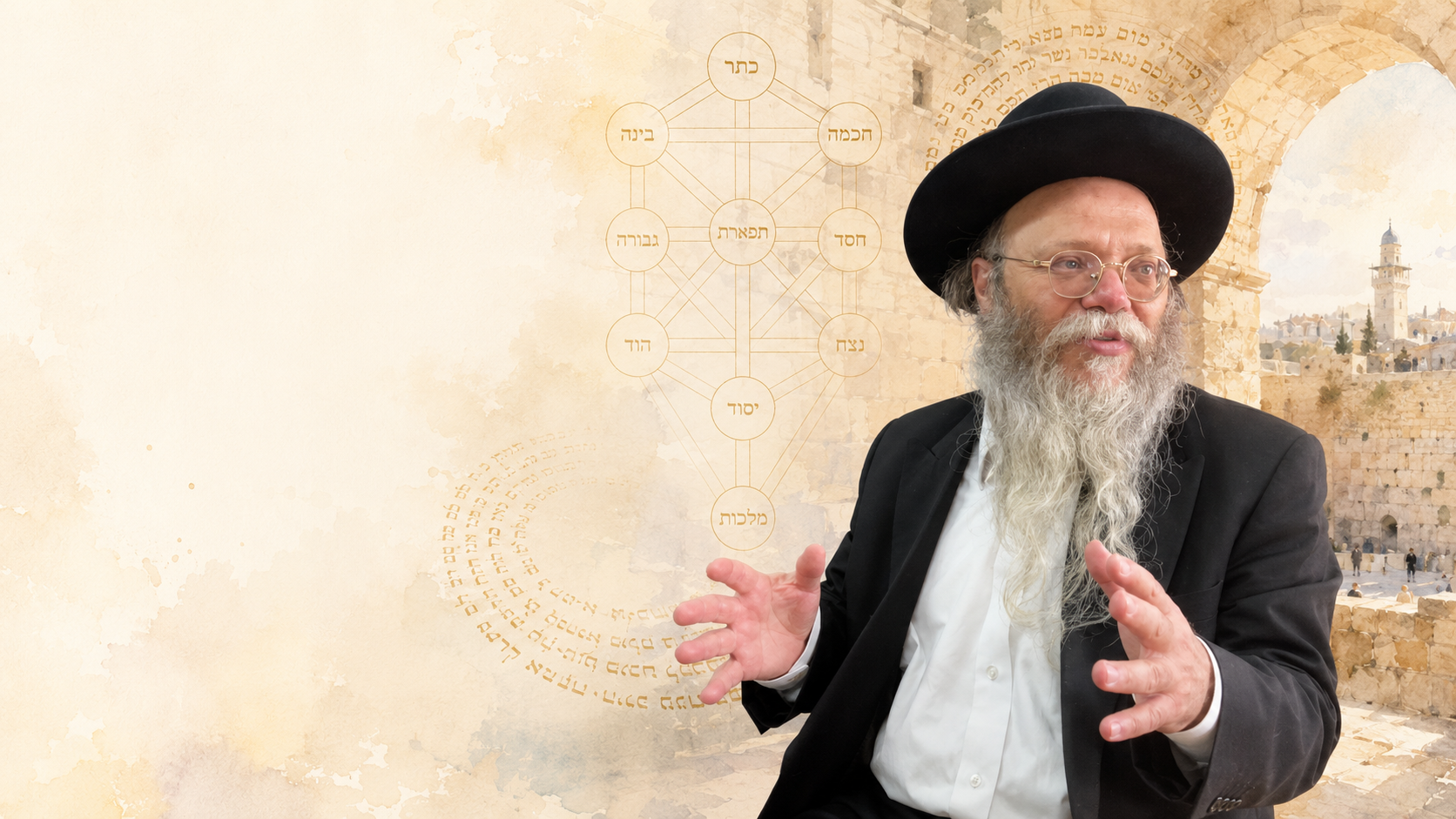
Chevron is the burial place of the Patriarchs: Avraham (Abraham), Yitzchak (Isaac), and Yaakov (Jacob). In kabbalistic terms, the Patriarchs represent Chesed (Loving kindness), Gevurah (Might), and Tiferes (Beauty). And then the Zohar also brings David Hamelech into the equation. David was king in Chevron for seven and a half years. Later, he went to Yerushalayim (Jerusalem); therefore, David serves as the connection between Chevron and Yerushalayim.
David Hamelech represents the sefira of Malchus (Sovereignty). Notice that Malchus does not immediately follow Tiferes. Hod (Splendor), Netzach (Victory), and Yesod (Foundation) are the sefiros found between the two. In Kabbalah, these sefiros are sometimes included within Tiferes.
David Hamelech and the Patriarchs represent a kabbalistic concept called the Merkava (lit. Chariot). In simpler terms, there is a special connection between the Patriarchs (Chesed, Gevurah, and Tiferes) and David Hamelech (Malchus). When that connection is achieved, it forms the concept of the Merkava.
This connection is accomplished at the meditation of the prayer לשם יחוד קדשא בריך הוא ושכינתיה (For the sake of the unification of the Holy One, blessed be He, and His Presence). The unification of קדשא בריך הוא (the Holy One, blessed be He) relates to Tiferes and ושכינתיה (Shechinah), which is the immanent indwelling Divine Presence of Hashem associated with Malchus, and thus with David Hamelech.
The Death of a Tzadik
Getting back to the concept of Kiryat Arba, the Zohar says that Sarah passed away by Kiryat Arba, the place where David Hamelech was united with the Patriarchs, where the spiritual meets the physical. It is inferred that for regular people death comes through separation (i.e., the Nachash), but for tzadikim (righteous people) it comes through unification.
For tzadikim, the highest moment of unity is their death, which brings unity to the higher spiritual realms. It can be said that the life of a tzadik is only the preparation for the moment of their death, for the unification that is to come at that moment. This is the reason why it is said that tzadikim are still alive even after their death—their actions while alive continue to affect the spiritual realm.
To apply this concept to our lives, we need to understand that the greater our deeds are during our lifetimes, the greater the impact our passing has, each one according to their own level. The nature of our lives determines the impact of our passing in the spiritual realms; the good deeds done in this world are not insignificant but everlasting.
So live well knowing that your work is not in vain!
‘Precious in the sight of Hashem is the death of His holy ones.’
– Tehillim (Psalms) 116:15
Rabbi Yaakov Avraham Shepherd is the head of Yeshivas HaMekubalim Nefesh HaChaim on Mount Zion, Jerusalem, and Head Kabbalist at King David Kabbalah, having learned Kabbalah with Yeshivas Beit Eil in Jerusalem. He has also been teaching at Diaspora Yeshiva for over 15 years, where he has taught Chumash, Navi, Gemara, Shulchan Aruch and more, in English and Hebrew. More…